How many times have you browsed social media or visited furniture showrooms hoping to refresh your home?
Most people agree that it all begins in the kitchen. After all, the kitchen is where families and friends gather and where much of daily life happens.
Contrary to what some may think, creating a stylish kitchen isn’t necessarily difficult—especially if you know what to prioritize. Many luxurious-feeling spaces are achieved with careful planning and reasonable budgets. Even those with ample means plan and prioritize.
However, obsessively cutting costs can lead to a kitchen design you don’t truly love. How can you avoid that pitfall?
Focus on correcting small mistakes and emphasizing visual cohesion rather than only expensive materials.
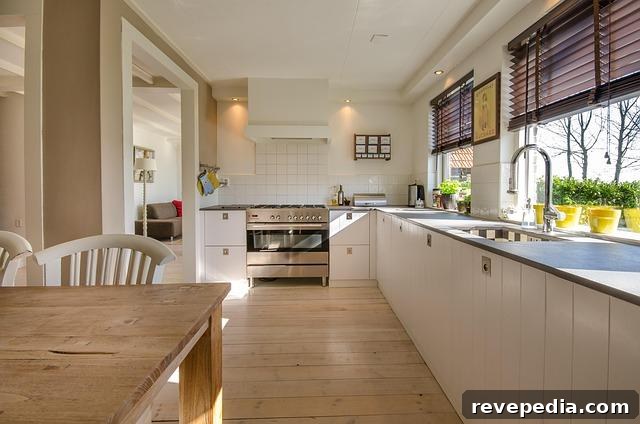
When every element of the kitchen works in harmony, expensive details become less important. Whether a high-end wood floor or a custom table, it’s the overall balance that defines the room.
This article explains common design errors that make kitchens feel cheap and, importantly, why they happen. Understanding these mistakes makes them easier to avoid.
The Small Design Mistakes That Make Kitchens Feel Cheap
One prominent feature alone doesn’t create a luxurious impression. Like any room, a kitchen’s character comes from many small details working together. A single statement piece can draw the eye, but it’s the combination of finishes, materials, and colors that sustains the sense of quality. Recognizing what looks right will help you spot what doesn’t.
The kitchen is the heart of the home and should blend functionality with aesthetics. Most common mistakes arise when one of those priorities is neglected. Below are recurring issues that make kitchens feel inexpensive, regardless of budget or square footage.
Too Many Different Finishes
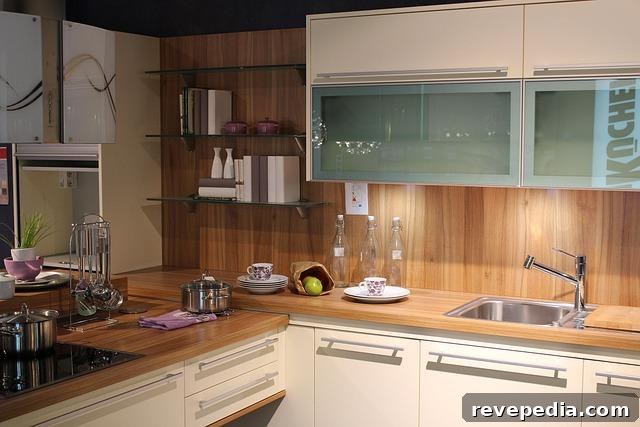
One of the earliest missteps happens during material and color selection. Using too many different finishes or colors can make even a clean kitchen feel chaotic. A mix of conflicting patterns and materials creates visual clutter and can make the space appear smaller and dated sooner than expected.
By contrast, a restrained, intentional mix of two to three complementary materials—balanced with careful color choices and contrasts between warm and cool tones—creates a cohesive, elevated look. Thoughtful color theory and pairing light countertop finishes with coordinated cabinetry and accents can transform the overall impression.
Poorly Functioning Storage
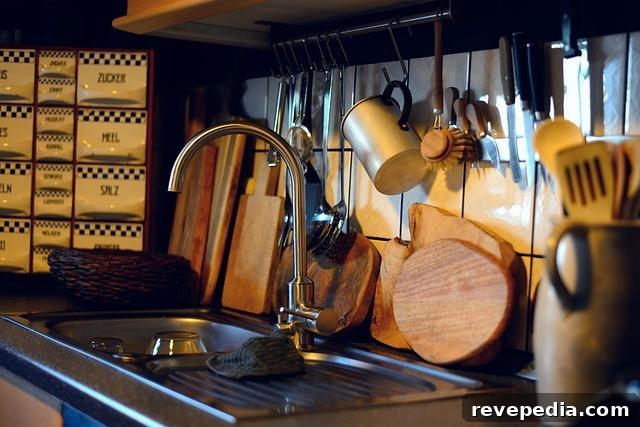
Functionality is often misjudged. Cabinets and corner spaces are sometimes left underused or designed in ways that become inaccessible, creating clutter instead of convenience. Trends that leave corners open for shelving can backfire, producing hard-to-reach storage.
A luxury feel typically combines a clean aesthetic with practical storage. Deeper drawers and vertical organization systems can reclaim wasted space and improve usability. Concealed or integrated storage solutions hide countertop clutter and give the kitchen a more refined appearance.
Poor Layout Planning
One of the biggest differences between a rushed, cheap-feeling kitchen and a refined one is planning. Decisions made on the fly often lead to awkward cabinet proportions, cramped spacing, and storage arrangements that don’t support real cooking workflows.
These flaws may not be obvious at first but become frustrating over time—when you lack countertop space to set a roasting pan, or dishes pile up because there’s no designated landing area. Mid-project changes to fix these issues typically increase costs and stress.
To avoid this, spend time planning layouts in detail before construction begins. Working with custom or semi-custom cabinetry providers that offer 3D renderings and layout previews helps you visualize the final result and make informed decisions before you invest in higher-quality pieces.
Appearance matters: choose furniture and finishes that will age gracefully and resist looking dated after a few years.
Lighting is another frequently overlooked factor. Poorly placed lights can produce unwanted shadows and dull surfaces. Adding under-cabinet lighting provides depth, highlights textures and finishes, and improves task lighting where you need it most.
Conclusion
Kitchens that feel custom and elevated are usually the result of thoughtful choices rather than simply higher budgets. Every step—from concept and planning to testing and implementation—contributes to the final outcome.
The real distinction between a kitchen that feels rushed and one that feels intentionally designed lies in how well it functions and how comfortable it is to use. If a kitchen offers ample, practical storage; supports efficient workflows; and enhances atmosphere through appropriate lighting and carefully planned layout, you’re on the right track.
Once function is solved, matching materials, finishes, and colors carefully will complete the transformation and bring you closer to an ideal kitchen.