I love books — the way they smell, the way they look, the way they feel. Even when I’m not reading, I enjoy being surrounded by them. From a design perspective, books bring warmth and texture to any room. They make a personal statement, spark conversation, and never go out of style.
Whether arranged in a small stack on a coffee table or organized into a full home library, books create focal points just as a distinctive piece of furniture or artwork does. Consider two examples from my own experience.
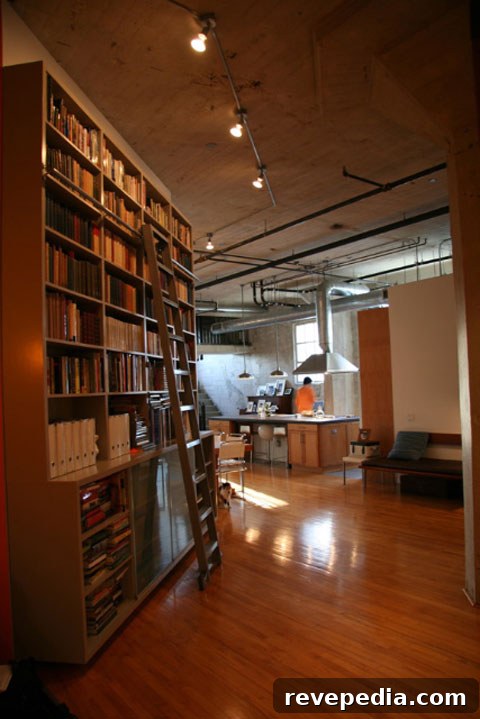
My husband and I once lived in a 1,700-square-foot loft with 14-foot-high ceilings. The white walls and exposed concrete often made the place feel cold and impersonal. To solve that, we built floor-to-ceiling bookshelves along a long, angled wall and added a rolling library ladder. The transformation was immediate — the room felt warmer, more inviting, and lived-in.
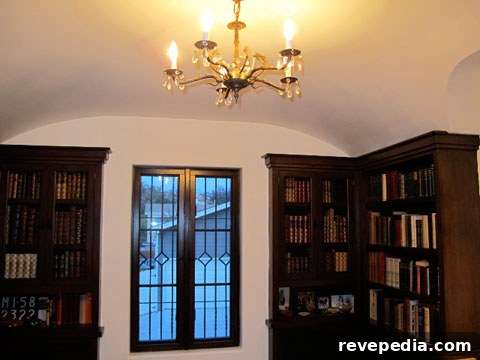
Another inspiring example is the study of my friends Bob and Anne Marie. They designed the room around a collection of rare and antiquarian books that have belonged to Bob’s family for generations. The deep colors of the spines against dark wood shelving create a sense of quiet intimacy. In that space, you feel wrapped in books; on every visit I want to pull down a first edition of Ernest Hemingway’s To Have and Have Not and sink into the large leather chair.
When planning your own library, don’t be put off by cost. It’s easy to spend hundreds or even thousands if you buy every new title you see on major retail sites — I’ve learned that the hard way. Fortunately, there are many affordable ways to build a meaningful collection:
- Antique and collectible markets or swap meets, where you can find unique and discounted volumes.
- Garage sales, which often yield surprising treasures at low prices.
- Online marketplaces — check used listings on major sites, and use independent book platforms where sellers list bargains (shipping may apply).
- Library sales — your local library often holds regular sales of withdrawn or donated books; these can be excellent sources for inexpensive finds.
- Used bookstores and independent sellers — browsing a city’s secondhand shops is part of the pleasure of collecting.
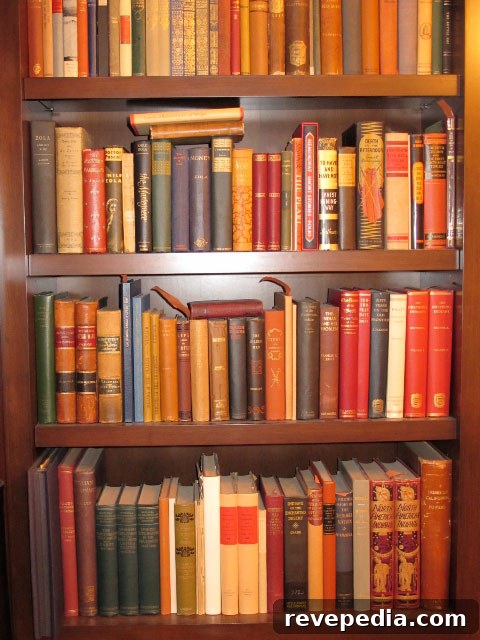
Hunting through the shelves — online or in person — is half the joy. Start slowly, choose books and their placement with intention, and remember that, like people, gently worn books often have the most character.
One final tip: once you’ve built a meaningful collection, try to avoid moving frequently. Books become a part of the home’s identity, and settling into a space that fits your library makes the whole house feel more like yours.