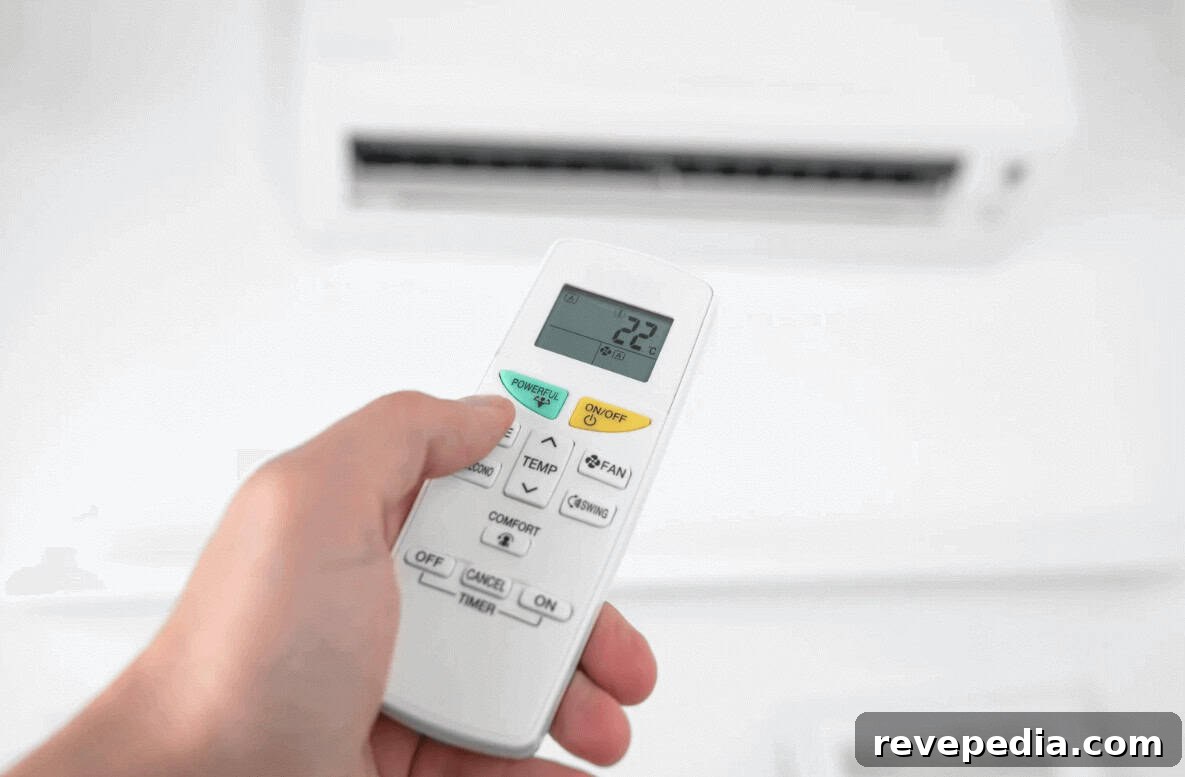
Every summer I see the same pattern: the thermostat gets set lower, the air conditioner runs longer, and utility bills climb in ways that make me wince. If you own a home and feel the same pinch, you know the tradeoff between staying comfortable and keeping costs reasonable.
The good news is that expensive system upgrades aren’t the only answer. Over the years I’ve learned that small, intentional DIY adjustments can significantly reduce monthly bills—many of them require nothing more than basic tools and a little time.
Seal Leaks and Swap Filters First
A large share of wasted AC energy never appears on a diagnostic report; it simply leaks out through gaps around windows, door frames and duct joints that are easy to overlook. According to the Department of Energy, air conditioning typically represents about 12% of a household’s electricity use, so even modest efficiency improvements can translate into meaningful savings over a cooling season.
I began by walking my house with an incense stick on a windy day, watching the smoke indicate problem spots. A few dollars’ worth of weatherstripping and caulk later, the system stopped working against escaping air. Replacing or cleaning filters was another simple win I almost missed. A clogged filter forces the blower motor to push air through dust, making it work harder and draw more electricity. During summer I now clean or replace filters monthly—two minutes of effort that noticeably improves airflow at the vents.
These aren’t one-off fixes. The real benefit comes from making them routine: check seals before summer, replace filters on schedule and address small issues before they become expensive repairs. That steady maintenance is one of the most reliable ways to reduce AC energy costs without replacing equipment.
Help Your AC Breathe Better

After sealing leaks and keeping filters clean, I noticed how much airflow patterns affect comfort. Even a well-maintained AC can’t perform if conditioned air can’t circulate through the rooms.
I found supply vents blocked by furniture and returns obstructed by bookshelves. Every blockage forced the system to work harder while delivering less cooling where it was needed. Moving couches or shelves a few inches away from vents allowed air to flow freely; rooms reached set temperature faster and the AC cycled off sooner.
Ceiling fans were another inexpensive tool I’d underused. When set to spin counterclockwise in summer, fans push cool air downward and create a wind-chill effect that makes a room feel several degrees cooler. That allowed me to raise the thermostat by two or three degrees without losing comfort. Because fans use a small fraction of the electricity of an AC, raising the thermostat a bit and running fans can add up to substantial savings over weeks and months.
Stop Heat Before It Reaches Your AC
Rather than only improving how my AC runs, I learned to focus on reducing the heat that enters the home in the first place. Preventing heat gain means the system runs less often and that’s where real summer savings occur.
Windows are often the biggest source of unwanted heat. I applied reflective window film to south- and west-facing windows and keep blinds closed on those sides during peak sun hours. That inexpensive combo blocks a surprising amount of solar heat. Blackout curtains are also effective, especially in bedrooms where darkness is desired.
I also changed daily habits that added heat: running the oven or dryer during the hottest part of the day makes the AC remove that extra heat. Now I cook on the stovetop or grill outside during peak heat, and I run the dryer in the evening after sunset.
Finally, the attic made a big difference. Adding a layer of blown-in insulation over a weekend reduced heat transfer into living spaces; the upstairs stopped feeling several degrees warmer than the rest of the house. For many homeowners, preventing heat gain is more effective at cutting cooling costs than adjusting the thermostat alone.
Thermostat Habits That Actually Save Money
Sealing gaps, improving airflow and blocking heat help a lot, but thermostat habits still matter. How you set and maintain your thermostat directly affects your energy bill.
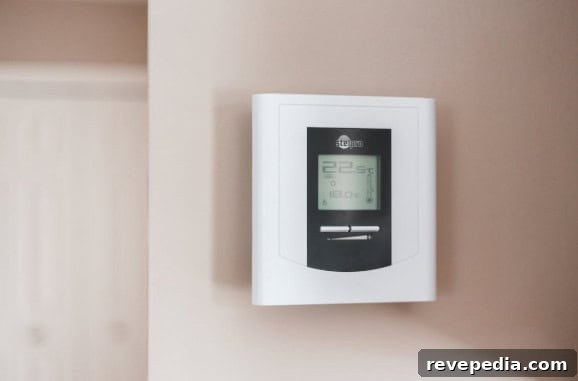
I keep mine at 78°F when I’m home and raise it a few degrees when I’m away. A programmable or smart thermostat automates that shift so you don’t have to remember it every time. One habit I unlearned was dropping the setting to 68°F as soon as I walk in—this doesn’t cool the house any faster, it only makes the system run longer to reach an unnecessarily low target. Pairing a slightly higher thermostat setting with ceiling fans delivers similar comfort at a fraction of the cost, because the fans provide a cooling sensation that makes the room feel cooler than the thermostat indicates.
Lower Bills Start With Smaller Fixes
None of the steps above require professional tools or a large budget. Weatherstripping, regular filter changes, clearing vents, using ceiling fans, applying window film and adopting smarter thermostat habits are all straightforward DIY projects with low upfront cost.
The power of these measures comes from stacking them. Each action trims a little from your monthly bills, and combined over an entire summer those savings add up more than you might expect. If you’ve been postponing small improvements, now is a great season to start—modest, consistent changes can make a meaningful dent in cooling costs without replacing your system.