A home’s water heater operates quietly but is essential for daily comfort, supplying hot water for showers, dishes, and laundry year-round. Even when it’s tucked away in a basement or garage, understanding how it works and how to use it efficiently can save energy and money. Below are practical tips and a short quiz to help you decide whether it’s time to replace your current unit.
Most water heaters should be replaced every 10 to 12 years. Common issues such as leaks, a malfunctioning thermostat, or a failing heating element reduce efficiency and increase energy waste. If you’re unsure about your heater’s condition, take the quiz at KnowYourWaterHeater.com to evaluate whether an upgrade is advisable.
A poorly performing electric water heater can be frustrating. Many households experience long waits between showers, insufficient hot water when running multiple appliances, and repeated maintenance that offers little improvement. In our experience, persistent issues like these made everyday tasks more difficult and uncomfortable.
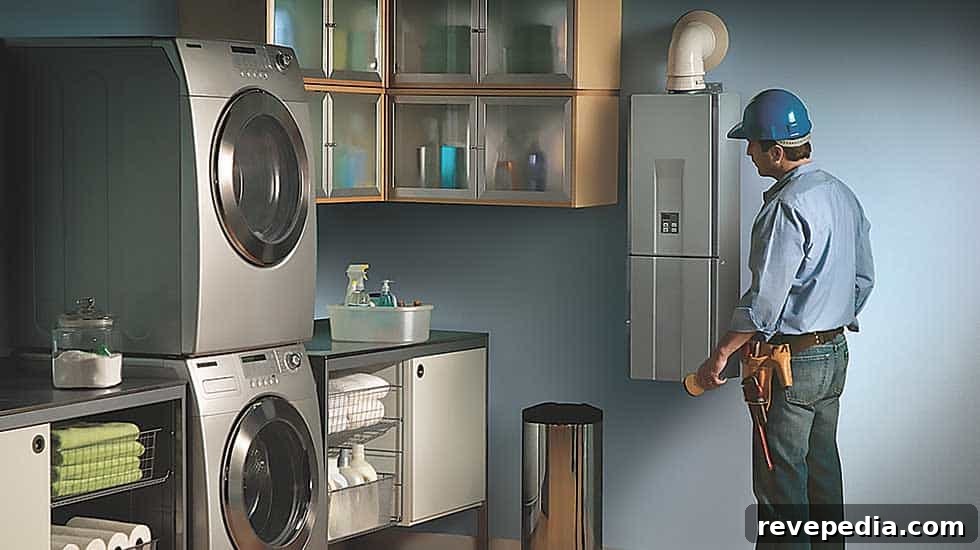
Switching to a tankless water heater can transform that experience. Tankless units provide on-demand hot water, eliminating long waits and reducing the likelihood of running out of hot water when multiple fixtures are in use.
There are two primary categories of residential water heaters: gas and electric. With electricity costs rising in many regions, gas-powered systems—particularly propane-fired models—are an increasingly attractive and cost-effective alternative. The infographic below compares typical water heater energy use to other household appliances to help you understand where your energy goes.
In April of this year, updated federal appliance efficiency standards from the National Appliance Energy Conservation Act raised minimum performance requirements for water heaters. If you’ve been considering replacing an aging unit, now is a good time to act. Waiting until your heater fails can lead to higher energy bills and unexpected replacement costs.
Consider these benefits of upgrading to a propane gas-powered water heater:
- New federal efficiency standards have made many electric storage tanks larger—taller, wider, and heavier—requiring more installation space. Gas models, including tankless configurations, often meet the same efficiency requirements at smaller sizes and may be easier to fit into existing space.
- Across much of the country, high-efficiency gas storage and tankless water heaters tend to offer lower annual ownership costs than comparable electric or heating-oil systems, especially where electricity prices are high.
- Standard electric storage water heaters typically produce greater greenhouse gas emissions than propane tankless models, which can be a consideration for homeowners prioritizing lower emissions.
When shopping for a new propane gas water heater, look for ENERGY STAR certification to ensure high efficiency and lower operating costs.
Photos courtesy of the Propane Education & Research Council.
This post is sponsored by the Propane Education and Research Council. Opinions and observations are those of Timothy Dahl of Charles & Hudson LLC.