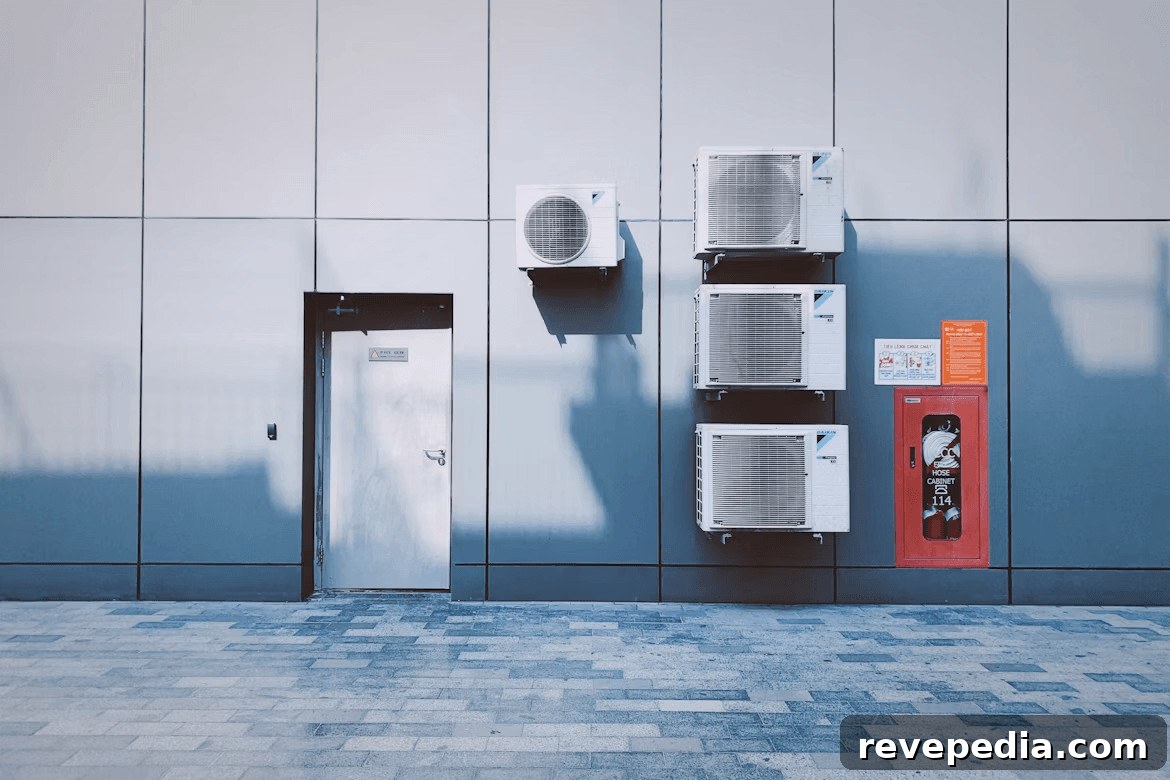
A dependable air conditioner does far more than simply cool a room on hot days. When even a single component begins to fail, the effects can spread throughout the system. Items such as a weakened capacitor, a failing contactor, a worn fan motor, or a clogged air filter may look like small problems at first, but allowing them to persist can reduce performance and increase the likelihood of costly repairs.
Sourcing the correct replacement air conditioner parts promptly can restore proper function and prevent minor issues from escalating into major failures. If small faults are ignored, they can place extra strain on motors, coils, electrical connections, and airflow components. As wear accumulates, a straightforward part swap can quickly turn into an expensive multi-component repair.
Minor Component Issues Can Escalate Into Larger Repairs
Homeowners often dismiss early symptoms such as sluggish startup, unusual noises, or slightly reduced airflow. Yet a weakened capacitor, a sticking relay, or a warped fan blade can force neighboring components to operate under increased load. That extra burden shortens life expectancy and increases the risk of sequential failures.
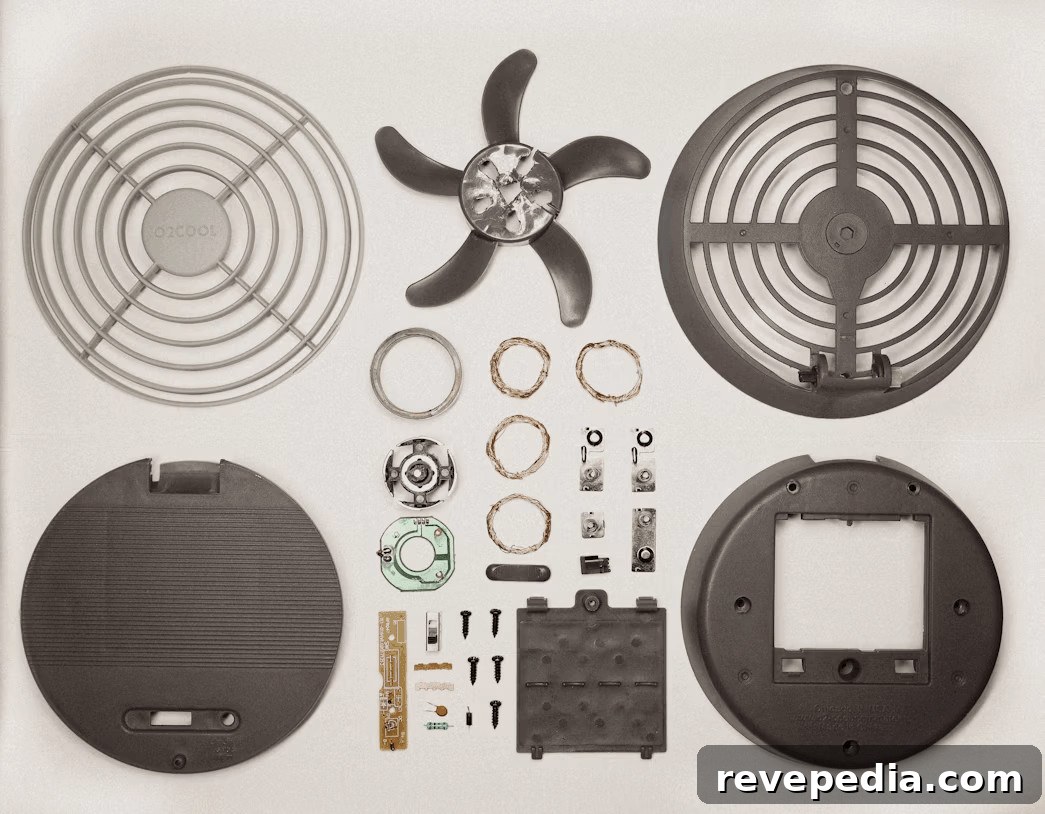
Common Component Issues That Raise Repair Costs:
- A failing capacitor may make the compressor or fan motor run harder, increasing wear and energy consumption.
- A damaged relay can interrupt electrical flow, causing intermittent operation or complete shutdowns.
- A worn or unbalanced fan blade can reduce airflow, create vibration, and accelerate wear on bearings and mounts.
What starts as a single weak component frequently triggers additional faults elsewhere in the system. Addressing these issues early keeps repairs straightforward, limits parts and labor costs, and preserves overall system reliability.
Prolonged Use of Faulty Parts Accelerates System Deterioration
When a component performs below specification, the air conditioner often compensates by running longer or cycling more frequently. A worn blower wheel, an underpowered motor, or a thermostat that misreads temperature can upset the system’s balance. These conditions raise internal mechanical and electrical stress.
Increased mechanical stress can affect previously healthy sections of the unit, including the evaporator and condenser coils, as well as wiring and control connections. The longer problematic parts remain in service, the faster the system’s overall condition can decline. Replacing failing components in a timely manner promotes better performance, longer equipment life, and more predictable costs.
Delayed Action Increases the Risk of Unexpected Failures
Aged or damaged parts can fail without clear warning, and such breakdowns often happen during peak cooling demand. When a contactor sticks, a fan motor seizes, or a control board shorts out, the unit can stop suddenly. These abrupt shutdowns leave homeowners without cooling and create pressure for immediate repairs.
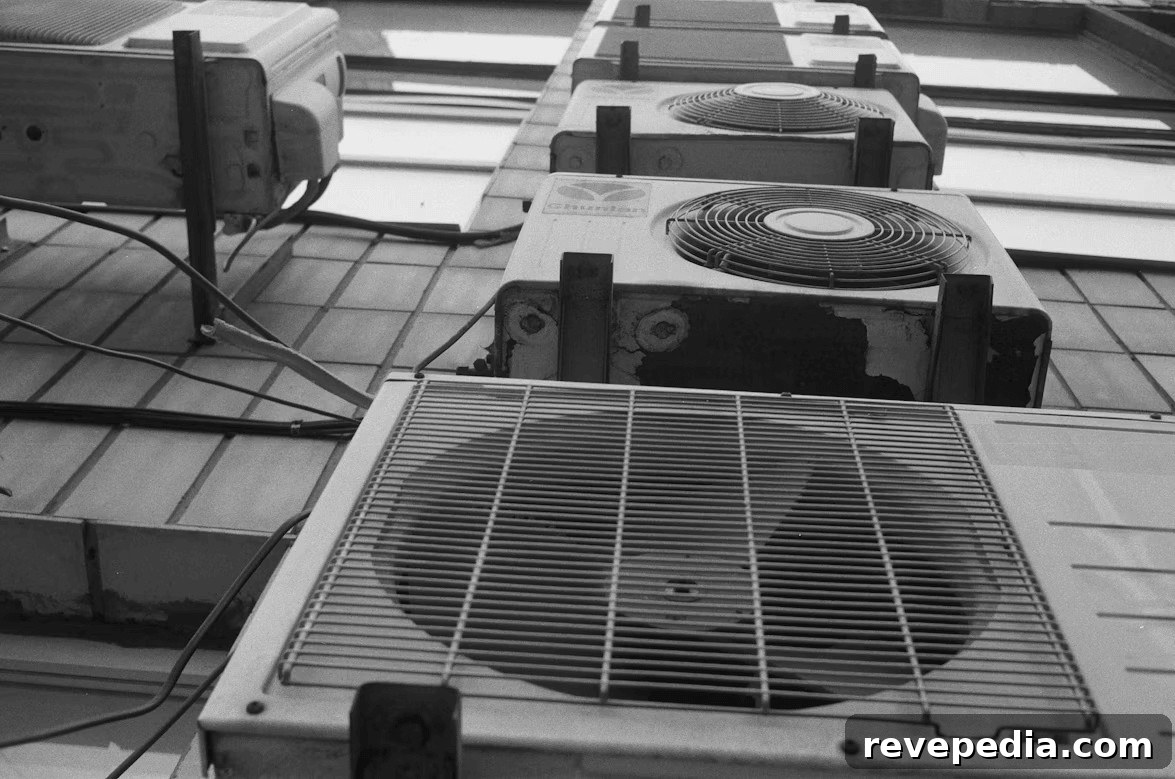
Emergency service calls generally cost more because they frequently require expedited diagnostics, higher labor rates, and immediate replacement parts. Taking a proactive approach to component replacement reduces the likelihood of urgent failures and helps maintain steady, dependable operation.
Repair Complexity Often Grows Over Time
Neglected problems rarely remain isolated. During later inspections, technicians commonly find multiple interconnected faults that must be corrected. What might have been a quick component swap can expand into a more involved repair job.
Repair Complications That Add to the Final Bill:
- A malfunctioning fan motor can disrupt airflow, alter coil temperatures, and strain the compressor, leading to multiple component replacements.
- Loose or frayed wiring can cause intermittent shorts or open circuits, requiring careful troubleshooting and repair to ensure safety and reliability.
- Restricted airflow can cause coils to freeze or overheat, which in turn can damage compressors and other major components.
Each additional issue adds diagnostic time and labor, often increasing the total cost of restoration. Acting sooner keeps repairs simpler, speeds recovery, and reduces the overall expense for homeowners.
Operational Inefficiencies Can Multiply Over Time
Faulty components frequently reduce energy efficiency long before they cause a full breakdown. The unit may still cool, but it will do so less effectively and at greater cost. Dirty filters, weak blower motors, and worn fan blades all limit airflow and force the system to run longer.
Higher energy consumption directly impacts household budgets and can also accelerate component wear due to extended run times. Replacing failing parts promptly not only restores comfort but also helps reduce unnecessary energy costs and prevents cascading failures.
In summary, delaying component replacement can transform a manageable repair into a complex and costly service event. Prompt maintenance and timely replacement parts protect system performance, reduce additional strain, and minimize unexpected service costs. Working with a reliable parts supplier ensures access to correct replacement air conditioner parts, supports faster repairs, and helps technicians and homeowners avoid unnecessary downtime. Prioritizing early intervention preserves comfort, extends equipment life, and keeps repair expenses under control.