Concrete patios are low-maintenance but often lack visual appeal. While patio furniture and outdoor rugs help, adding a raised redwood deck can transform the space and give your backyard a polished, cohesive look.
Redwood decks can be built on almost any flat surface, so a concrete patio is an excellent foundation: it’s solid and usually level. Building directly on the patio saved us time and effort because we didn’t need to prepare a new foundation beyond sweeping and cleaning.
Below are the steps and considerations for designing a redwood deck that enhances a concrete patio. When you’re ready to move from planning to building, follow an illustrated guide to how to build a raised redwood deck.
Choose a Deck Location
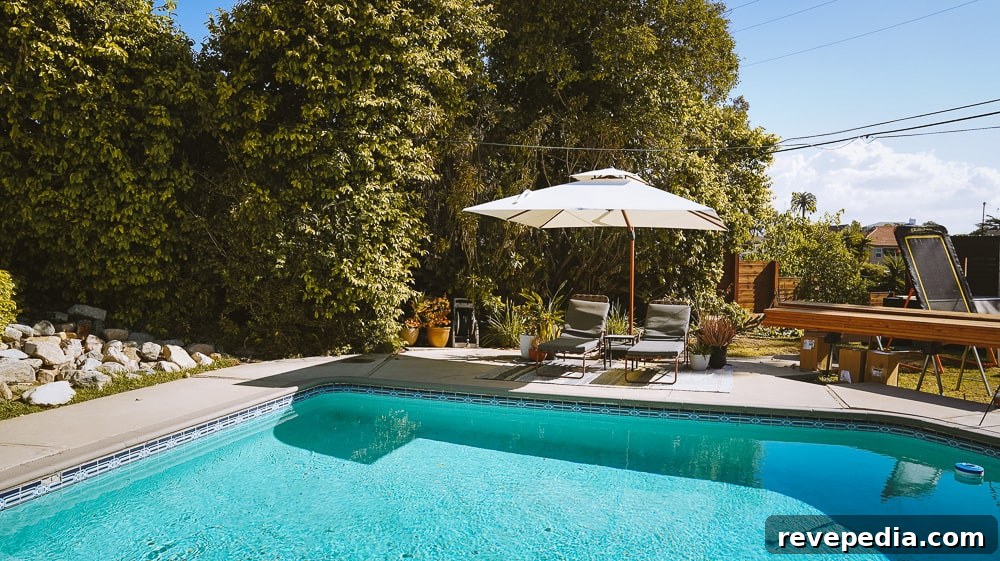
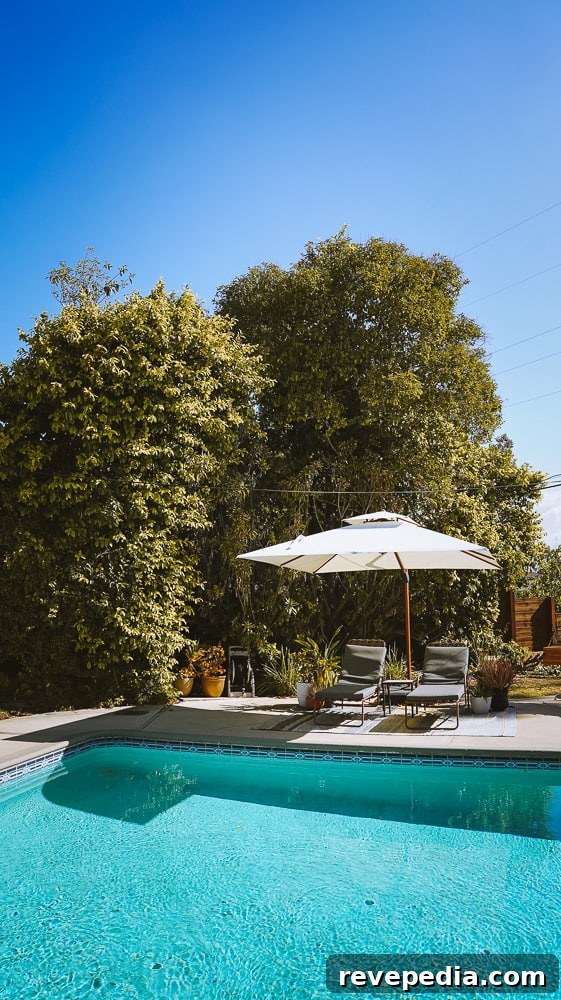
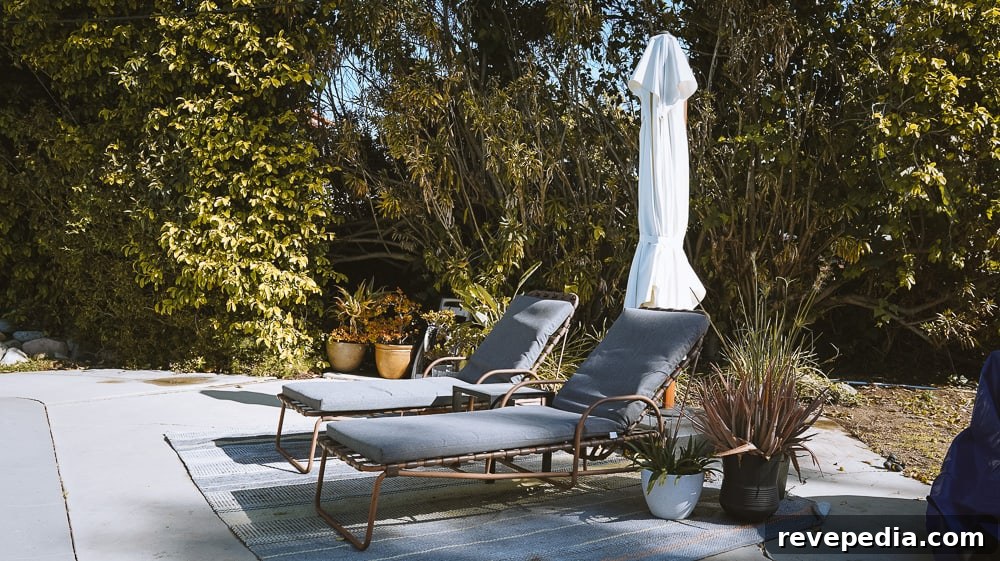
Selecting the right spot is the first step. We identified several potential areas in our yard, but the best initial location was beside the pool. That poolside corner already serves as our main seating area, with chaise lounges, a side table, an umbrella, and potted plants—so it made sense to make that the focus.
The existing outdoor rug will transfer nicely onto the redwood deck. It’s weatherproof, adds warmth underfoot, and hides minor imperfections in the concrete. Our pool and surrounding area are older, so installing a redwood deck will modernize the look and significantly improve curb appeal.
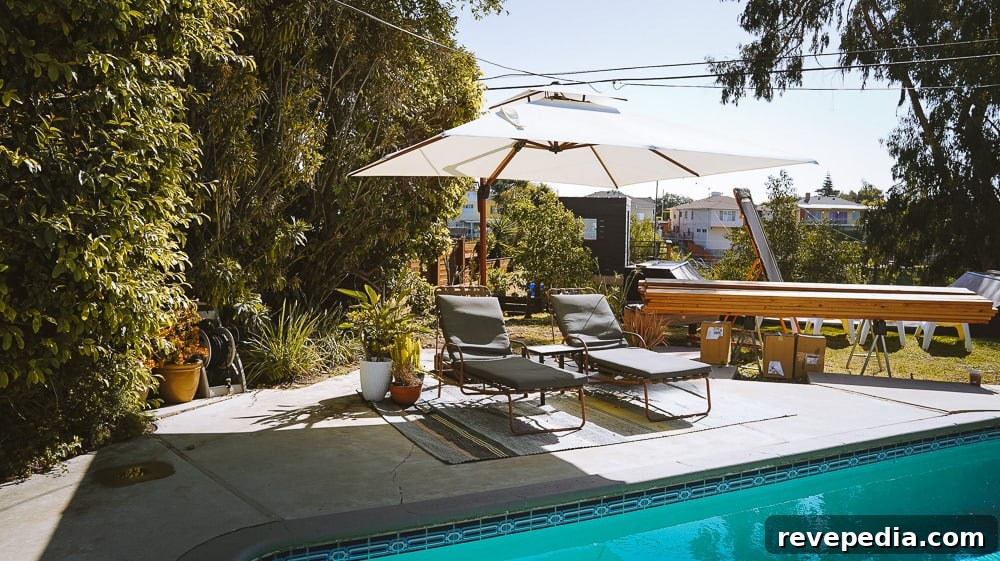
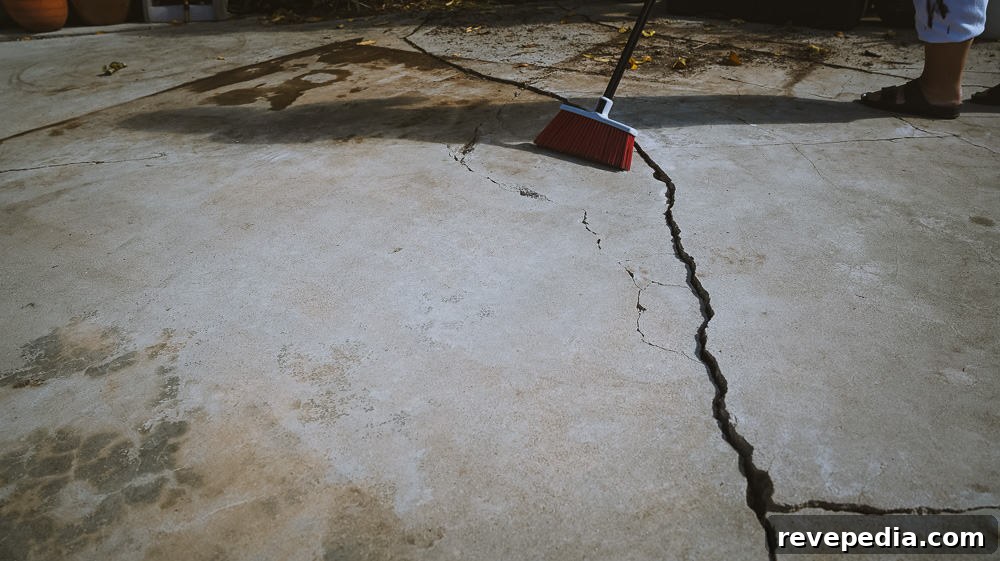
Preparing a concrete pad for a deck is straightforward. Concrete provides a stable, level base compared with dirt or gravel. We pressure-washed the patio to remove grime and then swept away any remaining debris before starting construction.
Choosing a Deck Design
Deck designs range from simple to elaborate. For this project we chose a simple rectangular layout sized to use standard lumber lengths so no cutting was necessary. That decision saved time, reduced waste, and eliminated the need for a saw.
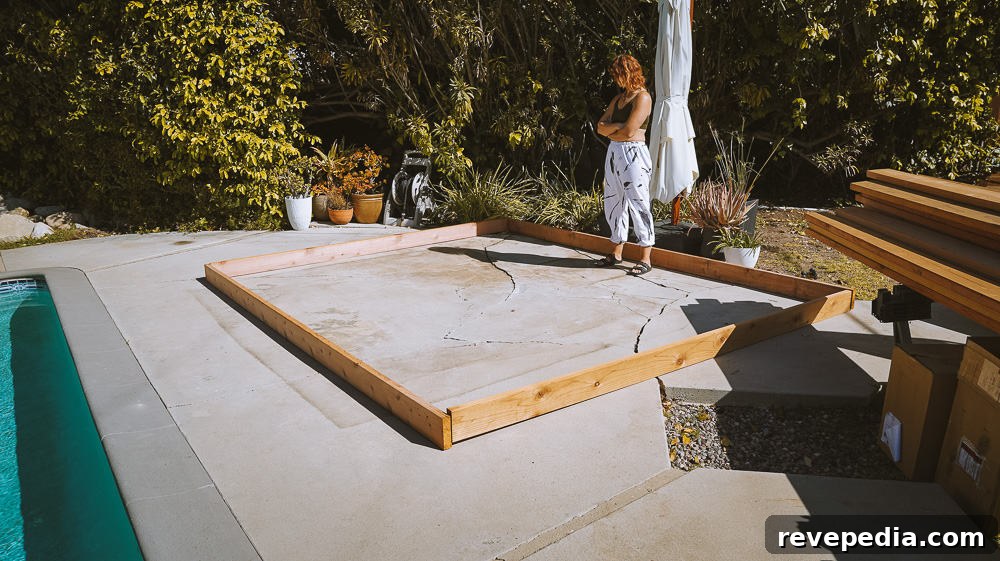
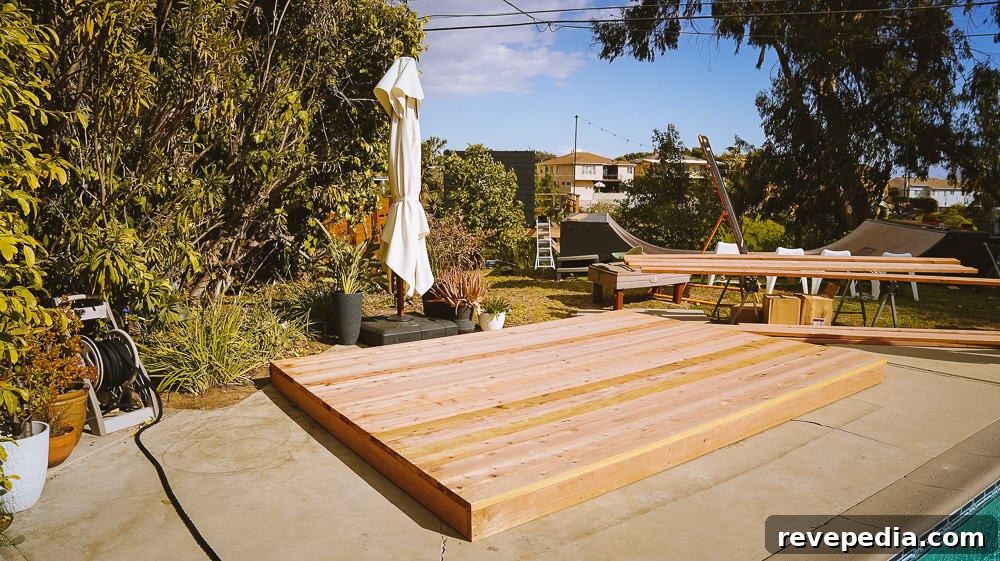
Our earlier deck plan covered an oddly shaped area of the yard, but it presented challenges with tree roots and would have required much more planning—something we may tackle later. Instead, we built a 12-by-10-foot deck. That footprint comfortably fits our rug and furniture while leaving room to walk around the pool.
We used 2×6 redwood boards for both the framing and deck surface. This choice provides durability and performs well in heat and in the damp conditions that come from pool splashes. Since our climate is dry and the deck rests on concrete rather than soil, we built it at ground level rather than raising it on posts. The deck may get wet occasionally from pool water, but it won’t sit in standing water.
Choosing a Deck Material
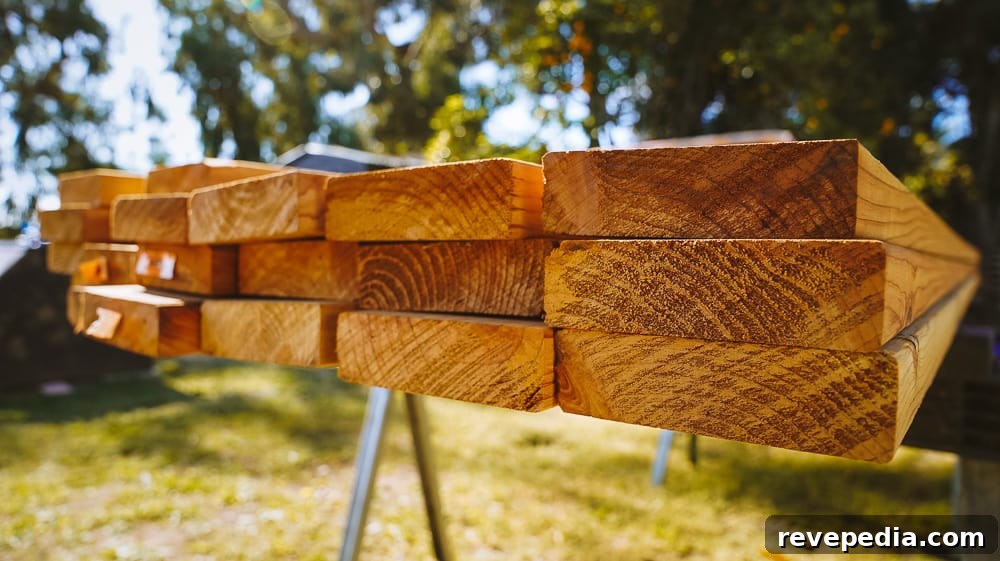
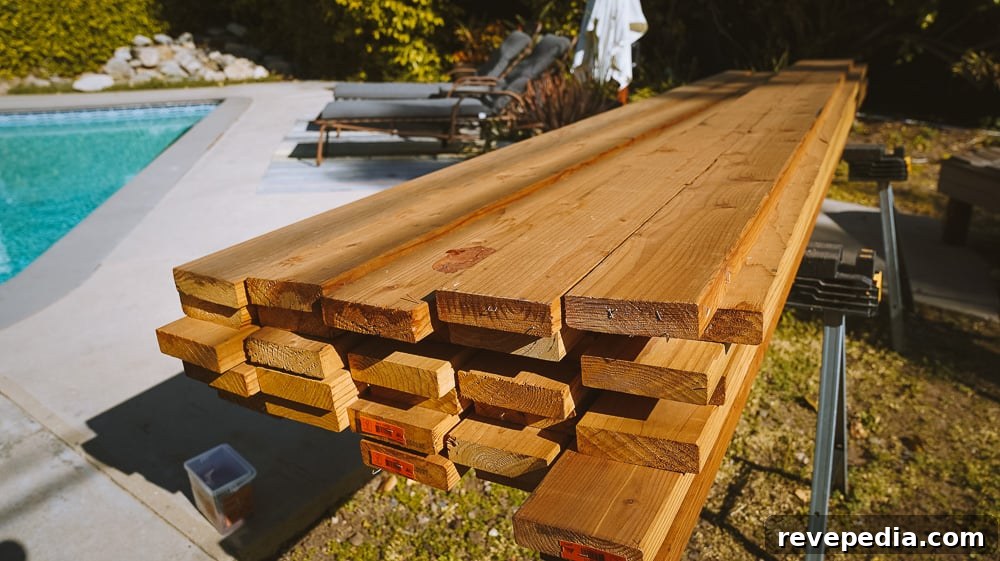
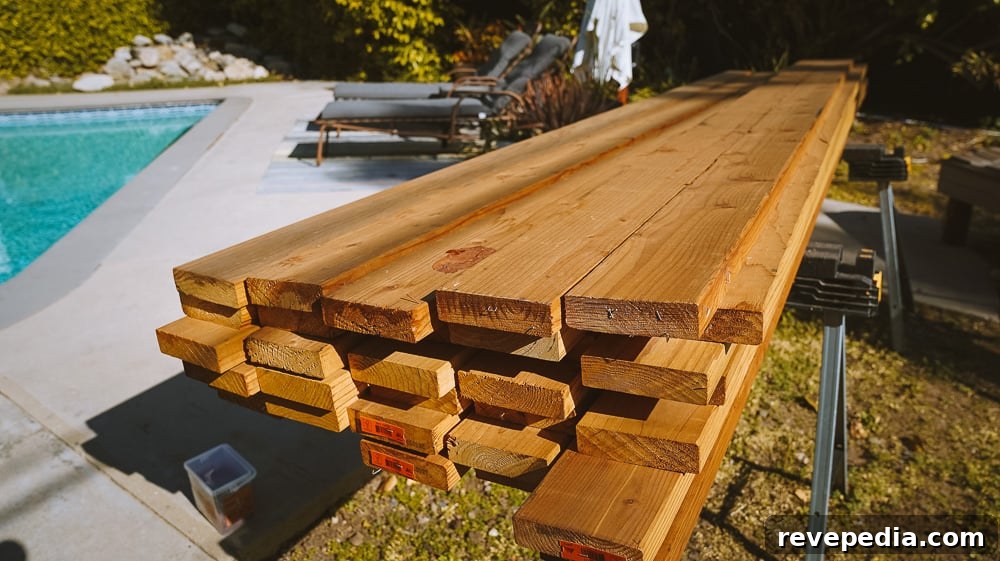
There are many material options for decking, but redwood was the clear choice for our needs. We’ve used redwood before for a privacy fence and planter boxes, so we already knew its advantages and cost profile. For this job we selected Mendocino Redwood, which is commonly available at major retailers.
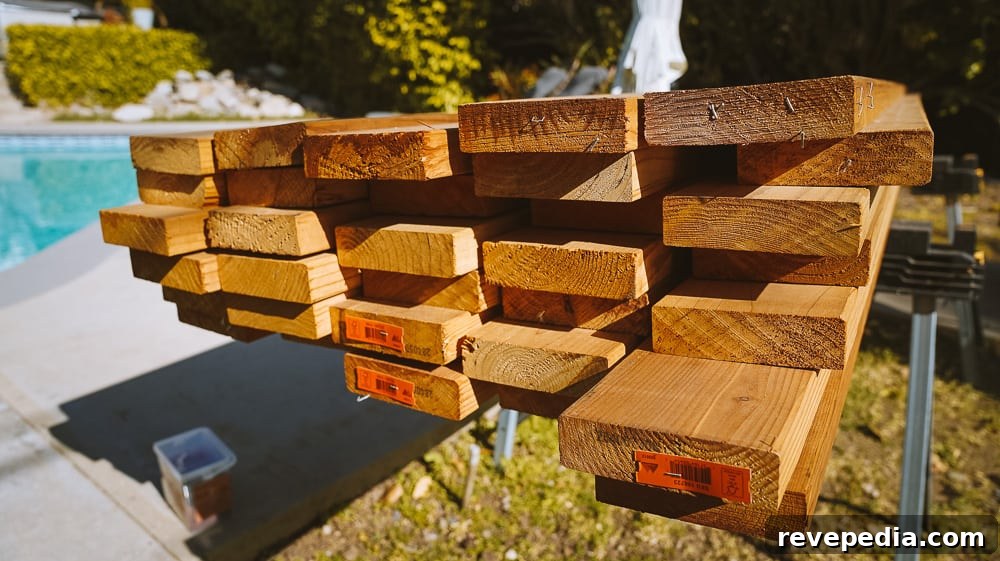
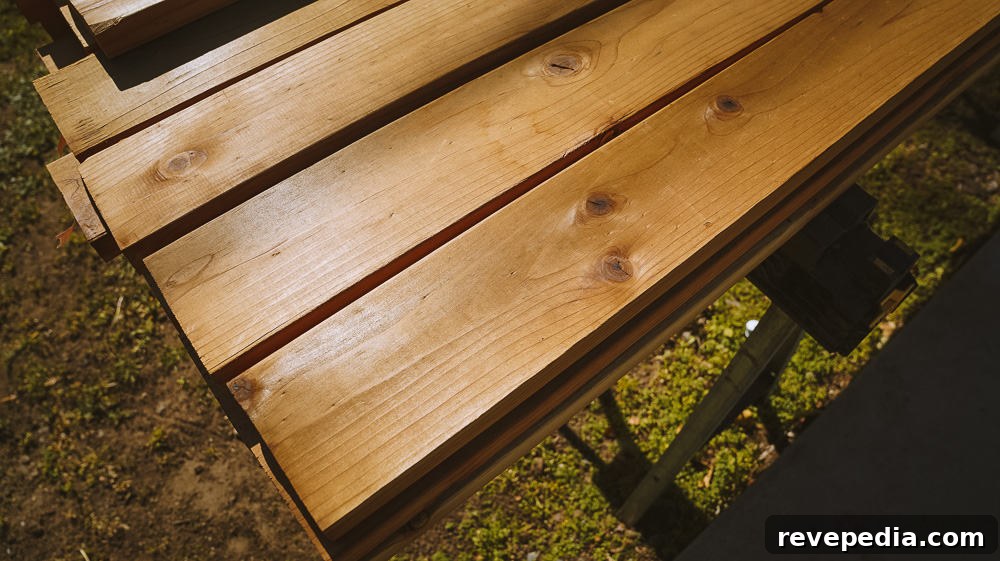
The stock we received was straight and clean, with minimal waste—unlike some pine boards we’ve encountered. Mendocino Redwood is also certified by the Forest Stewardship Council (FSC), meaning it’s harvested and managed with high environmental and sustainability standards. Sustainable practices include harvesting below annual growth rates, replanting seedlings at a higher ratio, and recycling mill waste like bark and wood chips.
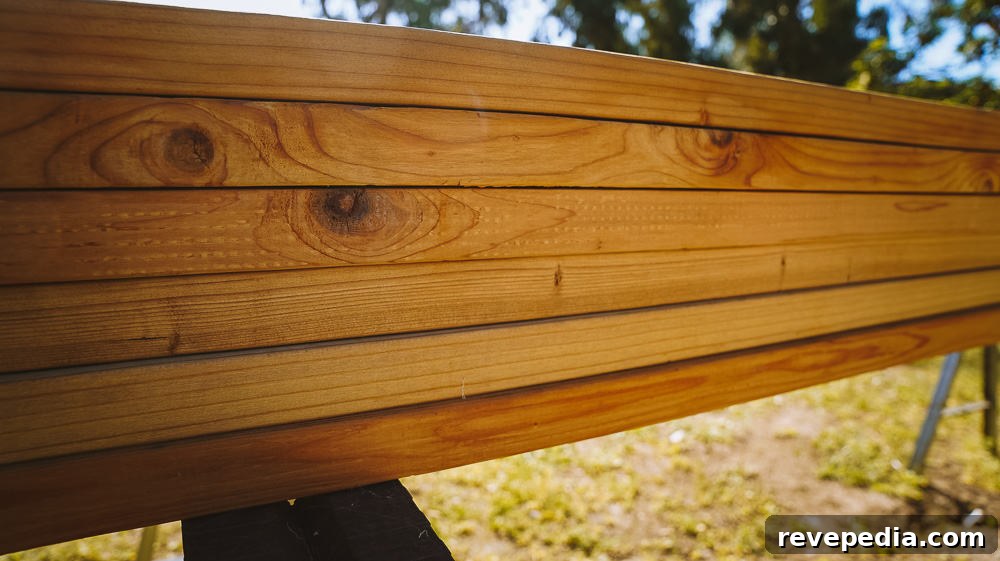
Beyond sustainability, redwood is naturally resistant to moisture, rot, and insects—attributes that make it an ideal choice for a deck near a pool. In regions like California, redwood is preferred for visible decking while pressure-treated lumber is more commonly used for structural elements that contact soil. Redwood also ages attractively and the tight-grain boards we used were smooth and required no additional sanding.
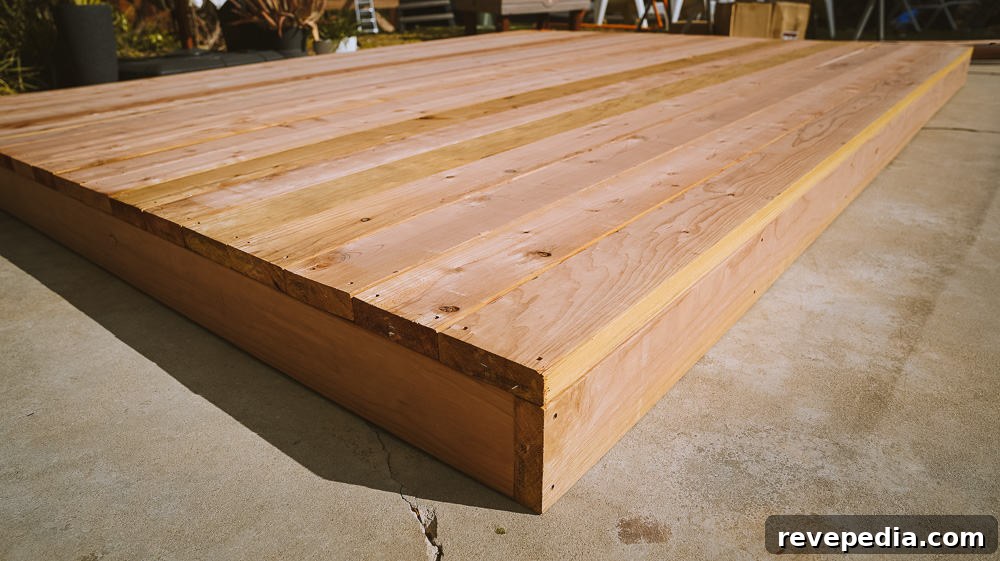
Cost-wise, redwood is typically less expensive than composite decking and offers greater flexibility during installation. The basic tools required are an impact driver and deck screws, making installation straightforward for anyone with basic DIY skills.
With location, design, and materials decided, you’re ready to build a raised redwood deck—or in this case, a ground-level redwood platform that enhances a concrete patio and turns an ordinary poolside into a refined outdoor living area.