
Installing hardwood floors—whether you choose light or dark tones, new boards or reclaimed planks—can instantly transform your home’s look and also challenge your DIY skills. With the right preparation and tools, fitting hardwood can be a realistic project for a confident homeowner. This article summarizes a comprehensive installation process based on a detailed tutorial from One Project Closer.
The example uses 3/4-inch solid, tongue-and-groove Brazilian walnut, but the principles apply to many hardwood types. The process begins with careful planning. First, identify your subfloor material—plywood or OSB—and measure its width. That will influence how and in which direction you lay the boards. If you’re installing over a concrete slab, engineered hardwood is usually the better choice than solid planks because it handles moisture and movement more effectively.
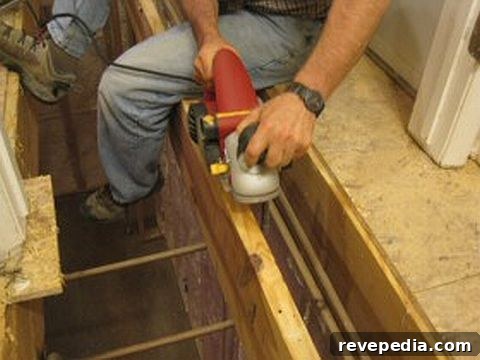
An even, stable subfloor is critical. Address any dips, humps, or uneven joists before fastening the hardwood. The recommended approaches include shimming or using thin roofing felt or asphalt shingles to build up low spots, or in cases where a joist crowns the floor, removing and planing that joist to achieve a level surface. Proper leveling reduces squeaks, minimizes gaps, and ensures long-term performance.
Acclimation is the next essential step. Lay the hardwood bundles loose in the installation area for 7 to 10 days so the wood can adjust to the room’s temperature and humidity. Seasonal humidity affects wood expansion and contraction, so many installers prefer spring or fall for installation to avoid extremes of moisture and heat. Proper acclimation helps prevent significant gaps or buckling after installation.
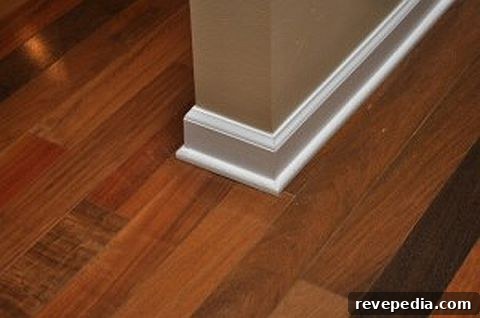
When the material has acclimated and the subfloor is prepped, begin laying the first row of boards. Accurate spacing from the wall, use of starting spacers, and ensuring a straight first row are vital because they set the alignment for the entire floor. Continue installing successive rows, staggering end joints to create a stable, visually pleasing pattern. Where rooms meet or floor levels change, install appropriate transition pieces. Finish the space by fitting baseboard and shoe molding to hide expansion gaps and provide a clean, framed appearance.
A few recommended tools can make the job faster and more professional. Staplers or pneumatic flooring nailers—such as those in the DuoFast Floormaster line—are commonly used to secure solid hardwood. A finish nailer helps install trim cleanly. Other helpful low-cost tools include a flooring mallet, pull bar, tapping block, jigsaw or circular saw for cutting boards, and a reliable measuring and chalk-line setup for layout. Proper safety gear—glasses, hearing protection, and knee pads—is also important.
Hardwood flooring installation is a rewarding project that requires planning, patience, and attention to detail. If you’re considering tackling it yourself, review thorough step-by-step guidance and ensure you have the right materials and tools for your subfloor type and wood species. Are you ready to take on a DIY hardwood flooring project? Share whether this is on your renovation list or if you’ve already completed a successful install.
Photos courtesy of One Project Closer