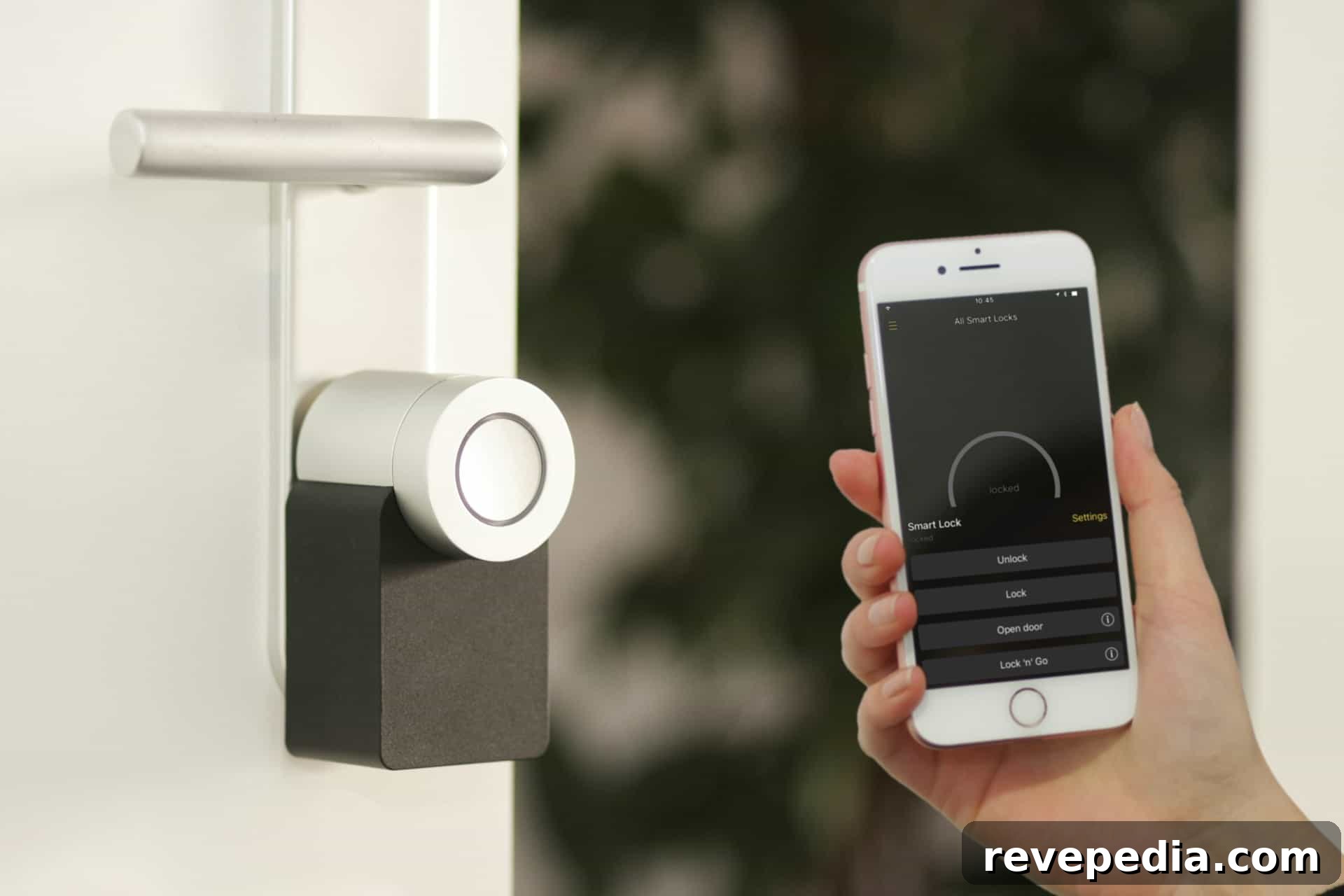
In today’s world, where safety and security are top priorities, protecting our homes matters more than ever. Advances in technology and a growing range of DIY options make it possible for homeowners to strengthen their home security affordably and effectively.
This article covers the essentials of DIY home security, offering practical tips and clear guidance to help you secure your property.
Understanding the Basics of Home Security
Home security goes beyond preventing burglaries; it’s about creating a safe environment for everyone who lives in your house. The right combination of measures deters criminals and gives you peace of mind.
Why Home Security Matters
Keeping your home secure protects your property, your possessions, and most importantly, your family. A secure home reduces anxiety about break-ins or other threats and allows you to focus on daily life without constant worry.
Core Components of a Secure Home
A robust home security strategy rests on three pillars: physical security, technology, and ongoing maintenance. Each plays a vital role and should be addressed together.
Physical measures include sturdy exterior doors and windows that resist forced entry. Reinforced frames, quality deadbolts, and shatter-resistant glass are cost-effective upgrades that increase safety.
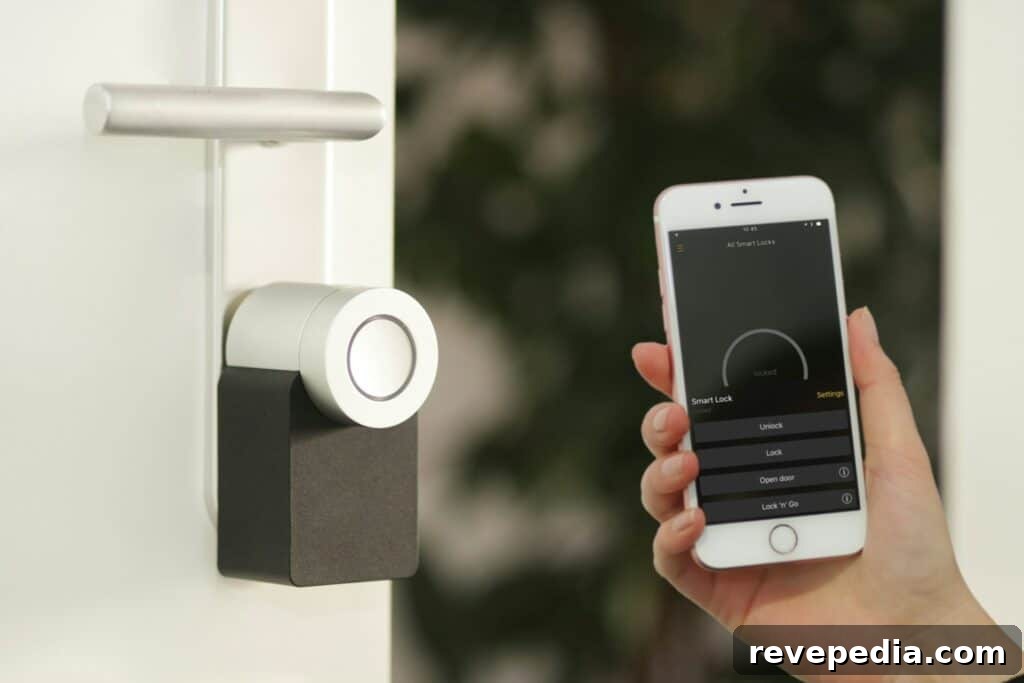
Technology complements physical defenses. A reliable alarm system, surveillance cameras, and motion-activated lighting act as strong deterrents and provide valuable evidence if an incident occurs.
Regular maintenance keeps every element working as intended. Replace batteries in detectors and sensors, apply firmware updates to smart devices, and periodically test alarms and cameras.
Understanding and combining these components will significantly improve your home’s security. Stay alert and proactive—security is an ongoing effort, not a one-time task.
Planning Your DIY Home Security System
A well-thought-out plan helps you identify vulnerabilities, prioritize upgrades, and use your budget effectively. Start with a careful assessment of your property and build your system from there.
Spotting Vulnerable Areas
Walk your property and note potential entry points: exterior doors, ground-level windows, garage access, and basement egresses. Check for poorly lit corners, overgrown landscaping, or architectural features that could hide intruders.
Pay attention to special cases—large banks of windows, decorative ironwork, or unconventional entryways may need custom solutions such as reinforced glass, security film, or tamper-resistant fasteners.
Once you know where your home is vulnerable, you can apply targeted measures like window bars, security film, or upgraded locks on frequently accessed or exposed openings.
Setting Priorities
After identifying risks, prioritize actions based on likelihood and impact. Address high-traffic or exposed entry points first—front doors, ground-floor windows, and garages typically rank highest.
Consider visibility from neighbors, how often a door is used, and local crime patterns. If a side entrance is rarely used and hidden, it may be lower priority than a street-facing door or a backyard patio.
Prioritizing helps you allocate time and money where they matter most, making your DIY efforts more effective and efficient.
Implementing Physical Security Measures
Strengthening physical barriers deters many opportunistic intruders. Focus on making access slow, noisy, and difficult to increase the chance an intruder will be noticed or discouraged.
Address both the interior and exterior of your home with practical upgrades that improve resilience and detection.
Doors and Windows: Practical Upgrades
Doors and windows are primary targets for forced entry. Upgrade to solid-core or metal exterior doors, fit high-quality deadbolts, and reinforce frames where possible. Adding a peephole or a smart doorbell camera gives you a safer way to screen visitors.
For windows, install reliable locks, consider shatter-resistant films, and add sensors that alert you if a window is opened or broken. In particularly exposed locations, window bars or security screens provide extra protection.
Don’t overlook garage doors and side entrances—secure them with heavy-duty locks and, if appropriate, monitored sensors or cameras to cover these common weak points.
Outdoor Security and Landscaping
A well-lit, tidy exterior reduces hiding spots and increases natural surveillance. Install motion-activated lighting around pathways, entrances, and darker corners of the yard.
Security cameras positioned at key angles provide both deterrence and evidence. Choose locations that cover main entry points, driveways, and any blind spots while ensuring cameras are protected from vandalism.
Landscape strategically: keep shrubs trimmed, remove dense borders near windows, and maintain clear sightlines. A maintained yard improves security and enhances curb appeal.
Using Technology to Enhance Security
Modern technology offers accessible, scalable tools for DIY security. Combining cameras, sensors, and smart home devices provides layered protection and convenient monitoring.
Selecting Security Cameras
Security cameras serve as both a deterrent and a source of evidence. When choosing cameras, evaluate resolution, field of view, night vision, and remote access. Weatherproof exterior models should cover primary approaches to your home.
Wireless and smart systems simplify installation and allow remote monitoring from smartphones. Place cameras to reduce blind spots and ensure they capture faces and license plates where possible.
Alarm Systems and Sensors
A well-configured alarm system is central to any DIY security setup. Modern systems support door and window sensors, motion detectors, smoke and carbon monoxide sensors, and water leak detectors.
Install sensors at strategic points: all external doors, ground-floor windows, and areas with valuable items. Consider a monitored service that can notify you and emergency responders if an alarm triggers.
Maintaining Your DIY Security System
Routine maintenance keeps your system reliable. Schedule periodic checks and updates so devices continue to function correctly when you need them most.
Routine Checks and Updates
Inspect cameras, sensors, locks, and wiring for wear or damage. Replace batteries on a schedule, clean camera lenses, and test alarms regularly. Keep device firmware and apps up to date to patch vulnerabilities and gain new features.
Troubleshooting Common Problems
Learn to diagnose typical issues: false alarms can stem from misplaced motion sensors, low batteries, or pets; intermittent camera feeds may indicate Wi-Fi or power problems. Address issues quickly to preserve system reliability.
If you combine security projects with other home improvements, be mindful of safety risks. For example, improper HVAC or electrical work can create hazards that affect overall home safety and comfort.
In summary, DIY home security is an attainable, cost-effective way to protect your family and property. By understanding basic principles, planning carefully, reinforcing physical access points, adopting appropriate technology, and keeping systems maintained, you’ll create a safer home and greater peace of mind.