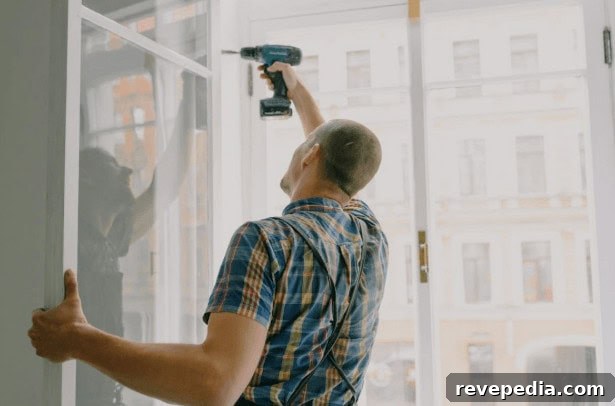
Every homeowner recognizes the moment: something breaks, cracks, or starts leaking, and the immediate question is the same — fix it yourself or call a professional? It sounds straightforward, but choosing the wrong path can be expensive. Tackling repairs without the proper skills can turn a small issue into a major one; conversely, hiring professionals for every minor task adds up. The smartest approach to home improvement depends on what’s actually damaged, your comfort with tools, and the potential consequences if the repair goes wrong.
A Simple Rule of Thumb: DIY or Professional?
Here’s a practical starting point. Cosmetic tasks — painting a room, patching a small hole in drywall, or re-caulking around a tub — are usually safe to tackle yourself. These jobs involve low risk, and mistakes typically mean starting over rather than causing widespread damage.
By contrast, repairs that affect structure, electrical systems, plumbing concealed behind walls, or issues related to fire and water damage should be handled by a licensed contractor. These kinds of work are more complex and the consequences of a poor repair can be severe.
Another useful guideline: if you wonder whether a permit is required, consider that a sign the job likely belongs to a professional. Permits exist to ensure work meets safety and code standards; skipping them can create legal, financial, and insurance complications later.
Home Repairs You Can Confidently Do Yourself
Not every household repair requires a pro. Many common fixes are accessible to any homeowner willing to spend a few hours and invest in basic tools.
Painting is a good example. Repainting a room or touching up scuffed walls requires little more than brushes, rollers, tape, and patience. Simple plumbing tasks like swapping a faucet, replacing a showerhead, or changing a toilet flapper or fill valve are also frequently DIY-friendly. Many modern fixtures include clear instructions and straightforward connections that make installation manageable for nonprofessionals.
Other practical DIY tasks include:
- Patching small drywall holes and hairline cracks with spackle or joint compound
- Removing and replacing old caulk and grout in kitchens and bathrooms to prevent moisture buildup
- Cleaning gutters, removing debris, and replacing worn weather stripping around doors and windows
The common thread is low consequence: if you mess up re-caulking a tub surround, you can remove it and try again without catastrophic results.
Statistics confirm the trend. According to research by leading housing studies, many home improvement projects are completed by homeowners, with average DIY spending far lower than hiring professionals. That gap highlights the value of knowing which jobs are safe to handle yourself.
Repairs That Require a Licensed Professional
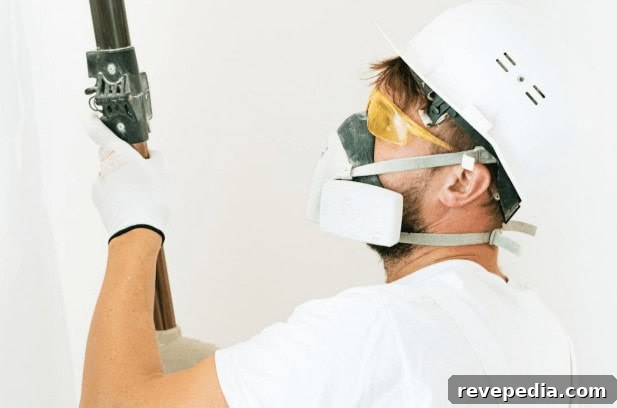
While some projects are low risk, others carry consequences that extend well beyond a weekend redo. Certain repairs should always be entrusted to licensed professionals because of safety, longevity, and code compliance concerns.
Electrical work illustrates this point. Simple tasks like changing a light switch cover are minor, but anything beyond basic fixture replacement should be left to a licensed electrician. Faulty wiring is a serious fire hazard, and code violations from improper electrical work can remain hidden for years before causing damage.
Major plumbing work follows the same logic. Rerouting pipes, replacing sewer lines, or reconfiguring supply systems usually requires a licensed plumber and permits in most jurisdictions. A poorly done connection inside a wall can result in slow leaks, mold, and expensive secondary damage.
Other complex systems that often require professional attention include:
- HVAC installation and major repairs, which involve regulated refrigerants and high-voltage components
- Structural repairs to load-bearing walls or foundation issues, which affect the home’s overall integrity
- Fire and water damage restoration, which requires specialized cleanup, mold mitigation, and documentation that insurers will accept
Professionals in these fields not only bring technical expertise but also the licenses, insurance, and documentation necessary to ensure work meets code and is recognized by insurers and future appraisers.
Safety, Permits, and Legal Considerations
Safety, permitting, and code compliance often intersect in ways that homeowners overlook. Many municipalities mandate permits for electrical, plumbing, and structural work because those systems directly affect occupant safety. Skipping permits can lead to fines, voided insurance coverage, and diminished resale value. If unauthorized work is discovered during a sale, you may be forced to remove or redo it to meet code.
Insurance claims are another important factor. DIY repairs on critical systems that are improperly completed provide grounds for insurers to deny future claims. Protecting your home’s warranty, insurability, and long-term value often comes down to one question: is the cost savings worth the risk of doing it without a licensed professional?
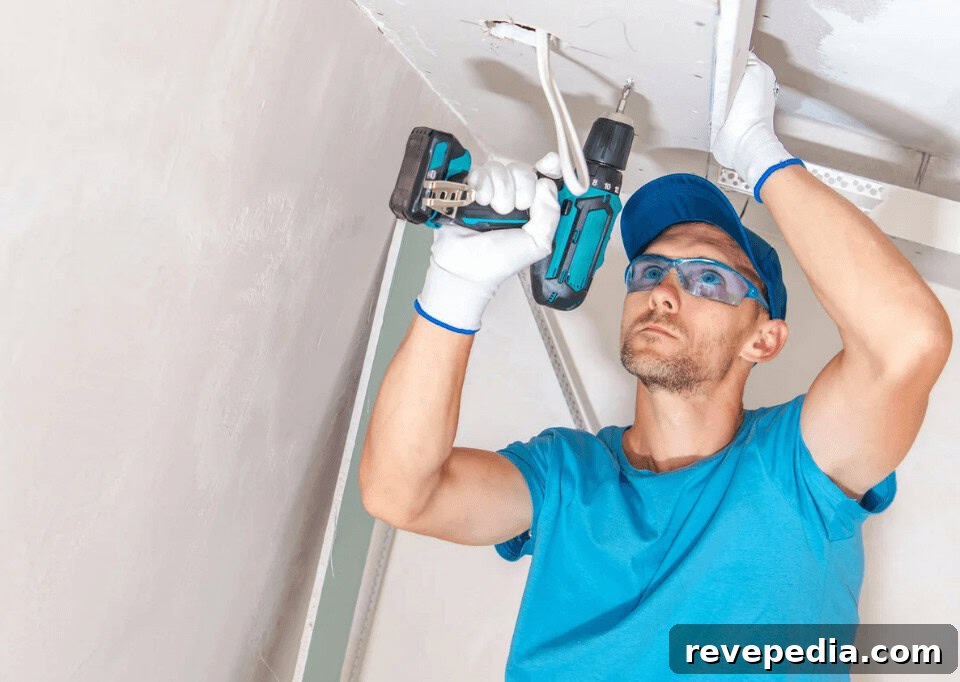
The Hidden Costs of DIY
Many homeowners calculate DIY savings by comparing material costs to a contractor’s quote. That comparison often misses several hidden expenses that appear once the project begins.
Tools are one such expense. A plumbing repair can require specialty tools — a pipe cutter, torch kit, or specialty wrenches — that you may never use again. Those one-time purchases can quickly eliminate expected labor savings.
Time is another factor. A professional can often complete a job in a day that will take a DIYer several weekends when accounting for learning, sourcing materials, and troubleshooting mistakes.
Common hidden costs include:
- Tool purchases for single-use jobs that erase savings
- Time investment that stretches a project over weeks
- Mistakes that cost more to fix than the original professional estimate
- Lack of warranty coverage for DIY work that fails later
The most costly hidden expense is the error itself. Poor installation can require tearing out and redoing work, which may exceed the original professional price. Licensed professionals typically provide guarantees on materials and labor; DIY repairs leave all future costs on the homeowner.
Choosing the Right Approach for Each Repair
There’s no single correct answer for every repair. The right choice depends on what’s broken and the potential consequences of a mistake. Low-risk cosmetic work remains ideal for DIY, while any repairs involving electrical systems, structural elements, or hazardous damage should be handled by a licensed contractor.
Making the right call protects your budget, your family’s safety, and the long-term value of your home. When in doubt, seek professional advice — a short consultation or inspection can save time, money, and stress down the road.