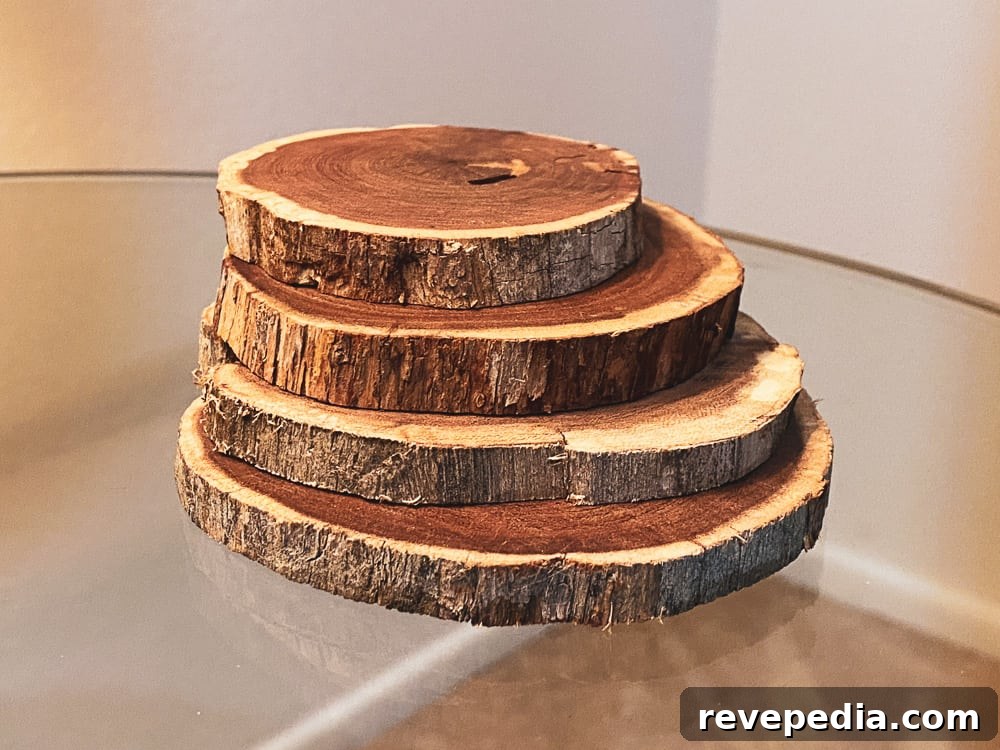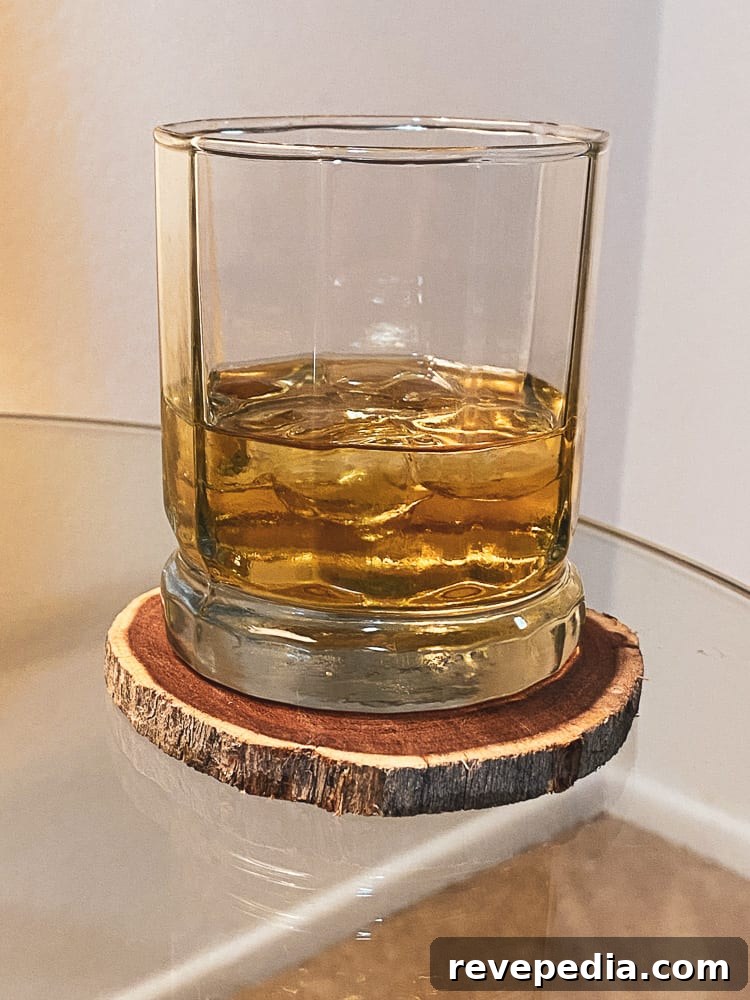
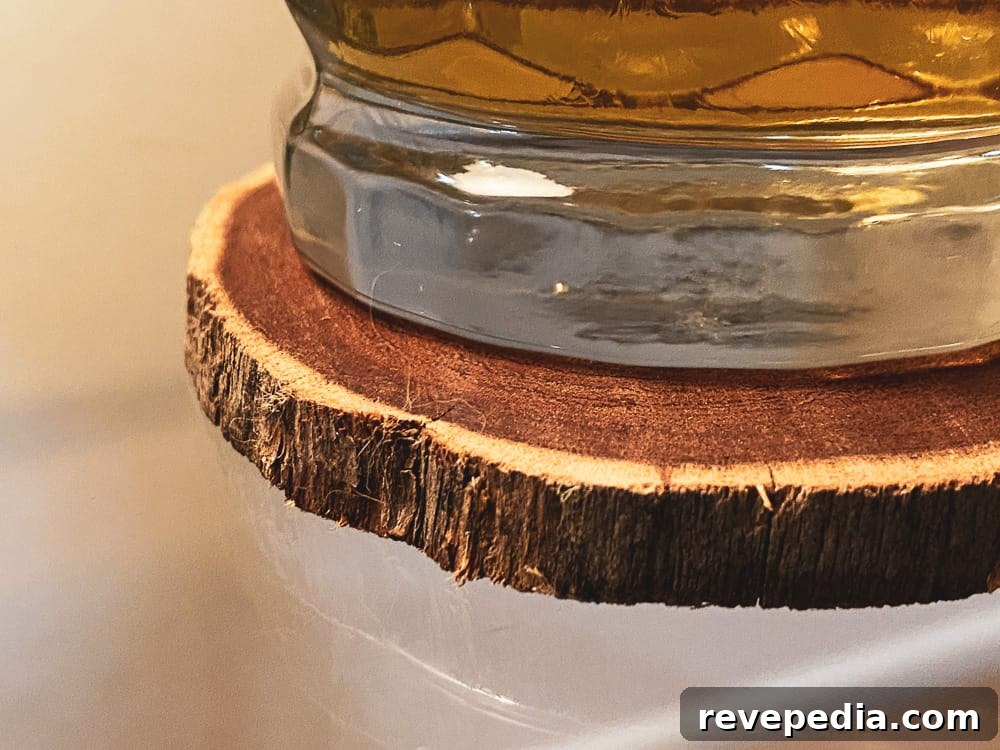
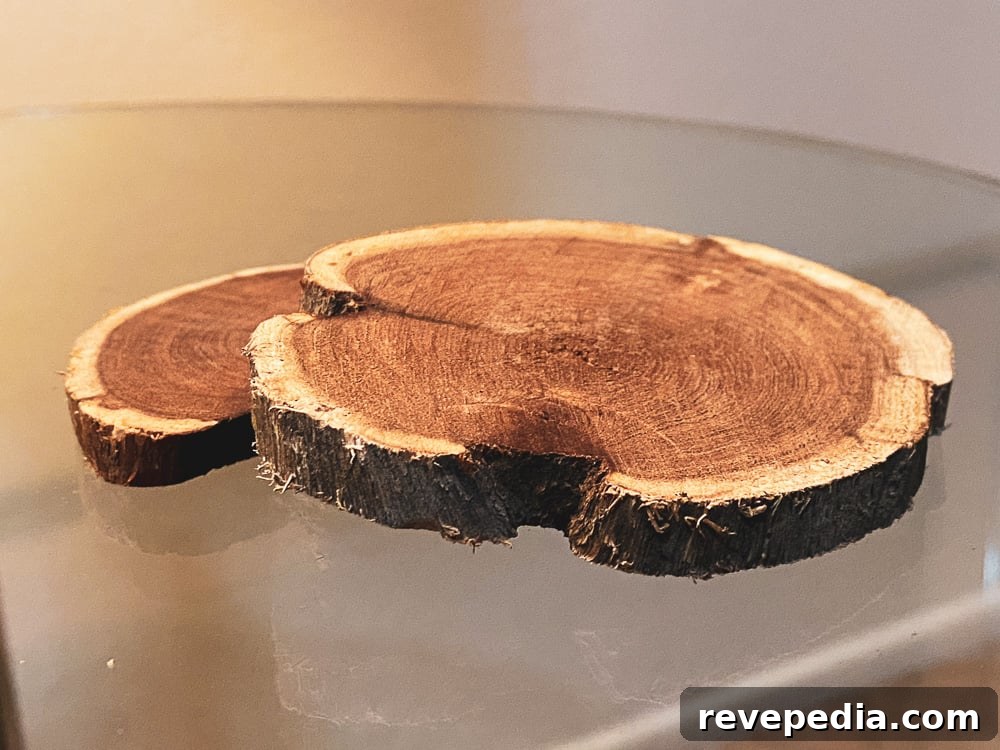
I’m always looking for creative ways to reuse our Christmas tree, and one of my favorite projects is turning sections of trunk or branches into wood coasters or ornaments. Any tree with the right diameter will work, but Christmas trees are often the easiest source. These small rounds are practical, decorative, and each piece is unique depending on the grain, bark, and any natural imperfections.

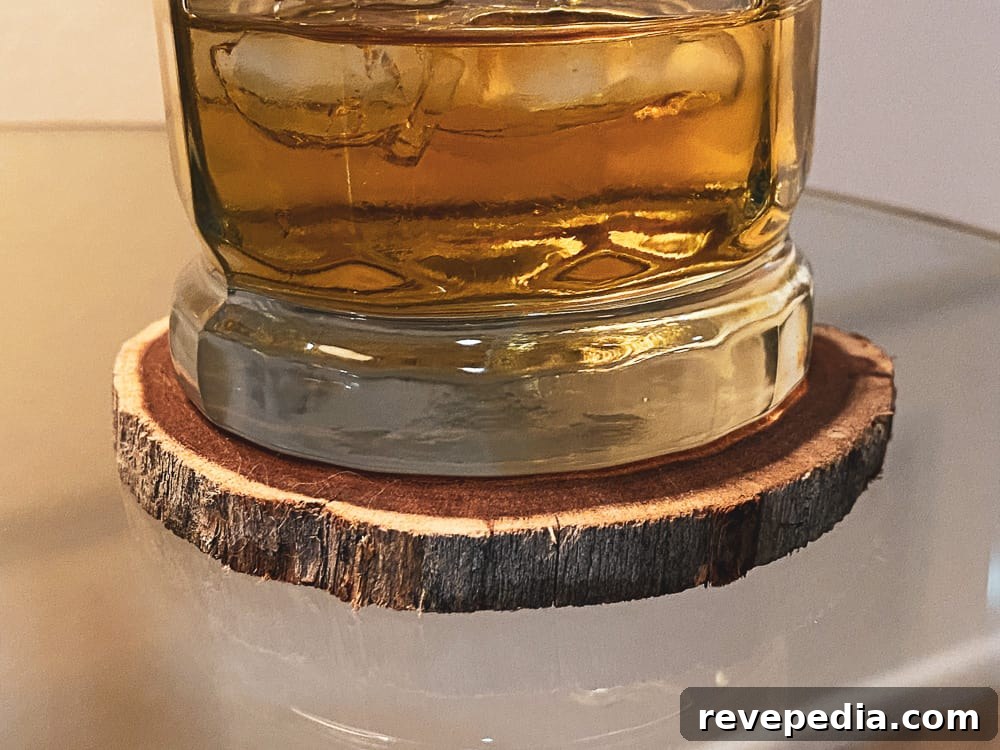
Wood coasters protect furniture from water rings while adding a rustic, handmade touch to tabletops. DIY coasters are especially appealing since you can leave them natural, stain them, burn or carve designs, or finish them to match your decor. They’re also handy as small gifts or holiday ornaments.
Tree Selection
Aim for trunk or branch rounds roughly 3 to 6 inches in diameter. Smaller pieces risk cups tipping; larger ones take up too much table space. Most Christmas trees fall within this range, and when working with larger specimens you can cut closer to the base or use thicker branches trimmed down to size.
Branches from other trees also make excellent coasters. For example, eucalyptus branches not only have an attractive grain but retain a pleasant scent and offer some natural properties that many people appreciate. If you have a tree trimmed, save the larger limbs for coaster projects.

Tree Cutting
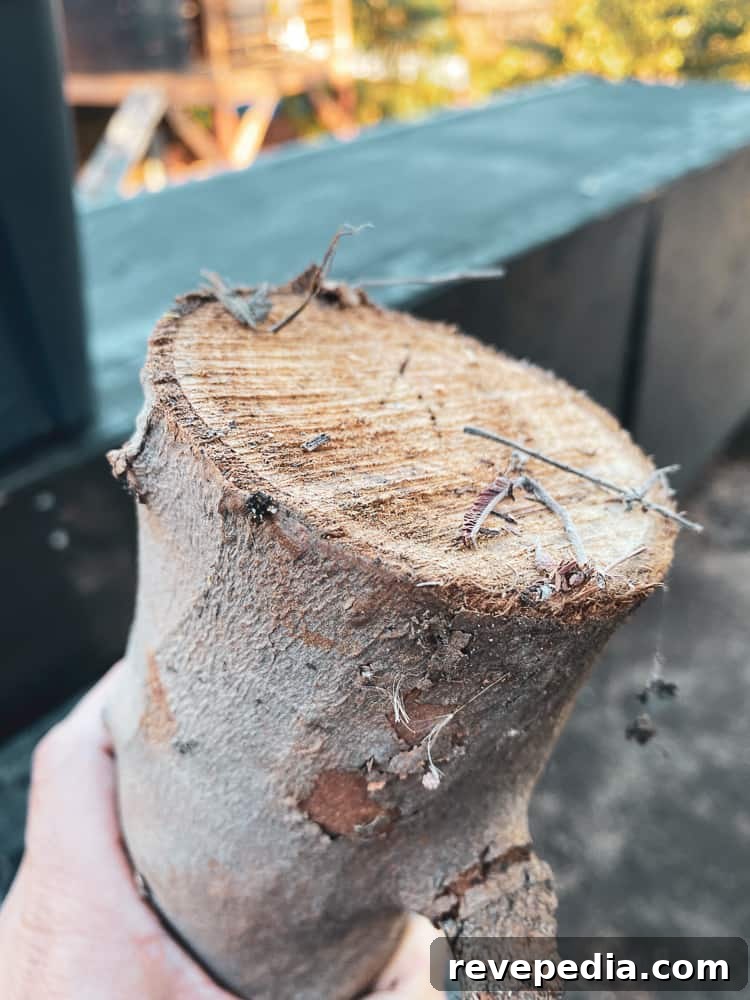
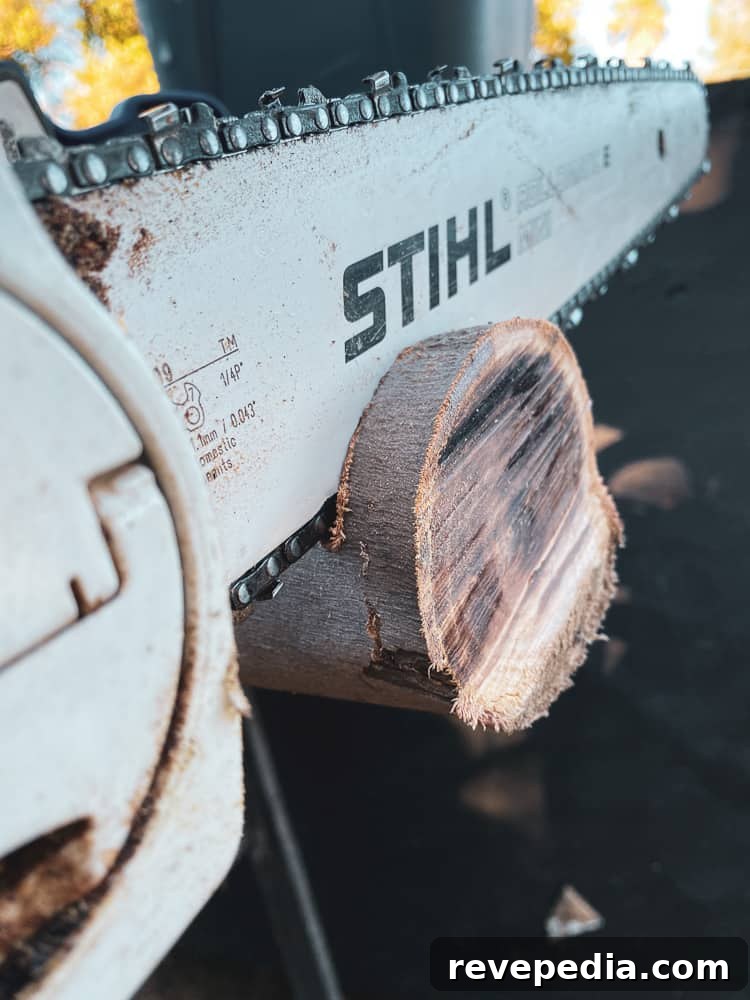
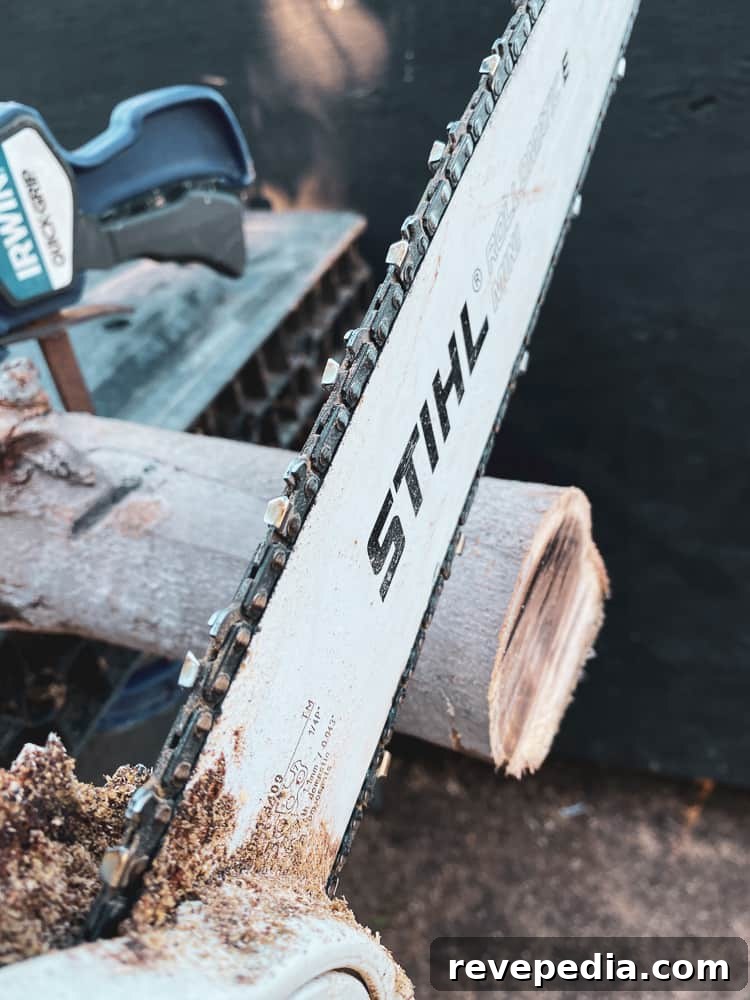
If you already have a cut tree, a simple hacksaw can trim slices from the trunk. For greater speed, accuracy, and cleaner edges, a cordless chainsaw is ideal. I’ve found battery-powered models to be convenient for quick projects—compact, portable, and powerful enough for small rounds.
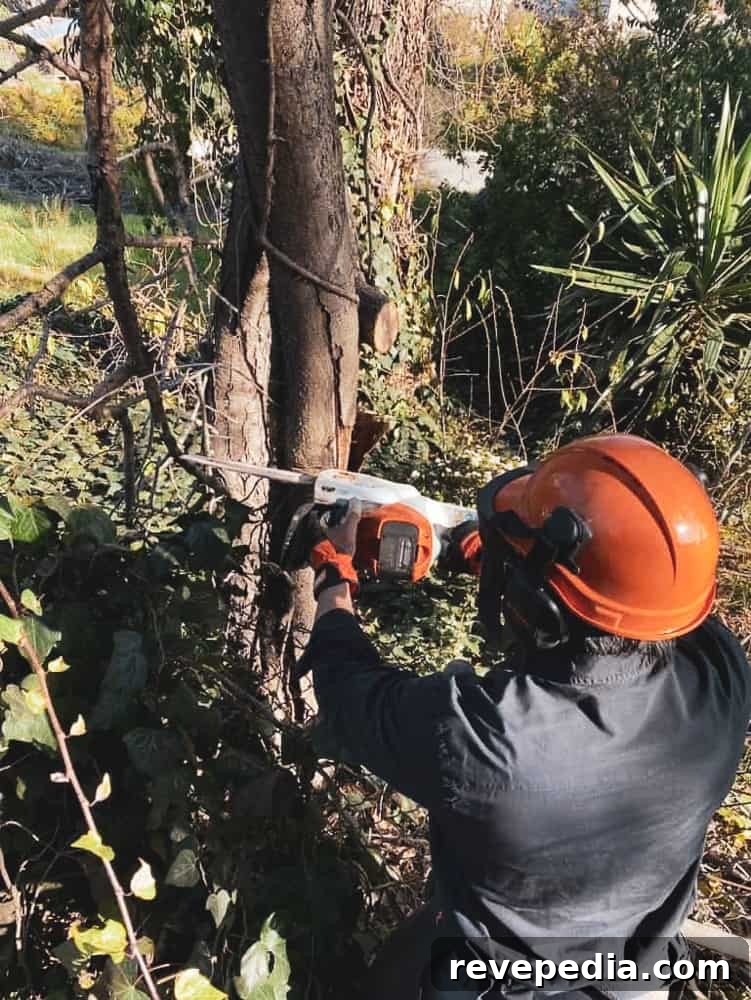
When using a chainsaw, consider cutting a manageable section of trunk and securing it to a workbench with clamps. This gives greater control and produces straight, consistent slices. For the most precise, repeatable results, a miter saw or band saw works well when handling smaller pieces.

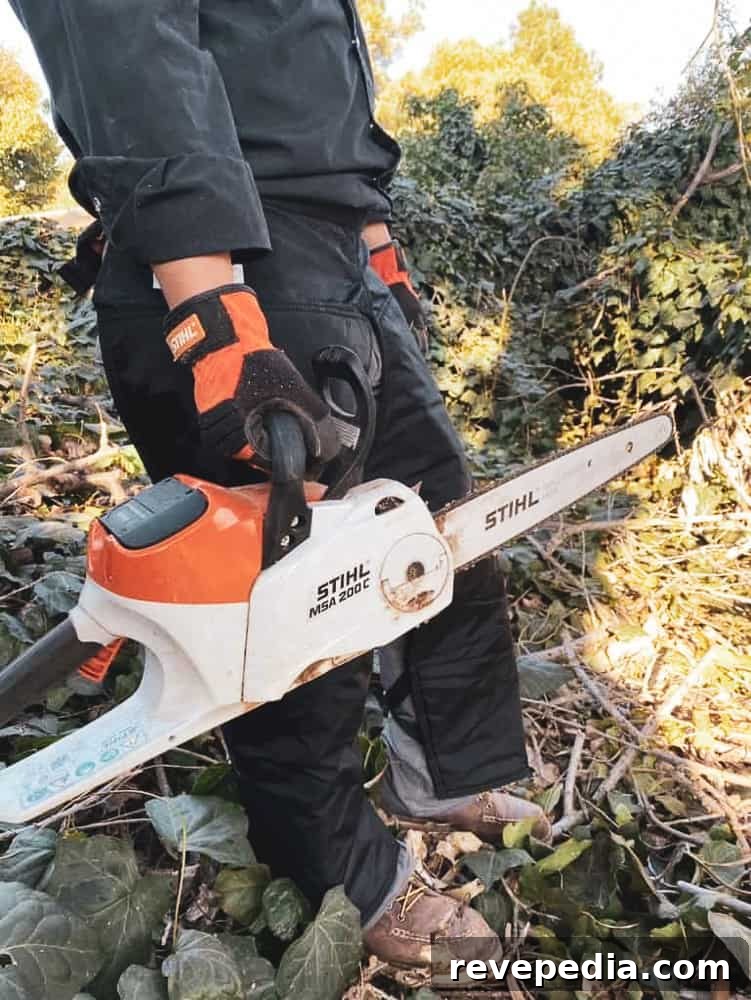
If you own land with trees, having a chainsaw on hand is useful for general maintenance and for repurposing wood after trims or storms. Always prioritize safety: wear gloves, eye protection, chainsaw chaps, sturdy boots, and consider a face shield. Proper PPE reduces the risk of injury while cutting and handling wood.

Cutting Coasters
Coaster thickness typically ranges from 1/4 to 1/2 inch. Thinner slices feel delicate; thicker slices are sturdier but heavier. When cutting with a chainsaw, clamp the workpiece flat on a bench for stability and to maintain even thickness. A miter saw provides cleaner, more uniform cuts if available.
Final Wood Coaster Prep
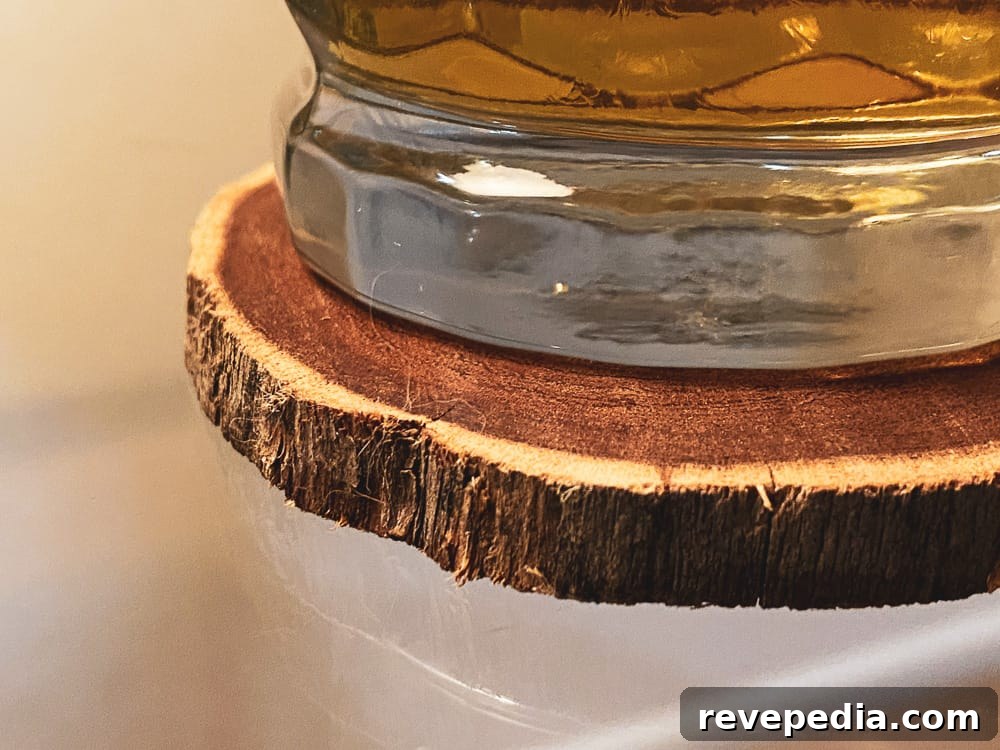
Decide whether to keep the live edge (bark) or remove it for a neater look. A live edge gives rustic character; peeling the bark yields a cleaner, more finished appearance. Either approach works—choose based on the style you want.
Sanding and finishing are the most important steps. Start with medium grit—about 150—to smooth rough spots, then progress to finer grits between 300 and 400 for a silky surface that accepts finish evenly. Make sure both faces and edges are sanded so drinks sit level.
Choose a finish that protects from moisture and is safe for household use. Tung oil is an excellent option—non-toxic, low-VOC, dries clear, and provides good water resistance. Other safe choices include boiled linseed (flaxseed) oil and food-safe mineral oil. These finishes can be reapplied over time to maintain protection.
Custom Decorations
Personalize coasters before sealing: stamp, carve, draw, or use a wood-burning tool to add initials, patterns, or holiday motifs. Do these embellishments after sanding and before the finish so the design is locked in and preserved by the topcoat.
To turn coaster rounds into ornaments, drill a small hole near the edge and thread a length of string or twine. These make charming, sustainable decorations that are easy to store or gift.
Wood Coaster Gifts
Before discarding a Christmas tree, consider salvaging sections to create coasters or ornaments. They’re inexpensive to make, customizable, and travel well as gifts. Small batches packaged in a simple box or tied with twine feel personal and handmade—perfect for holiday giving, housewarmings, or everyday use.