Our intern this year, Lauren, is a design student at Iowa State University who has done a tremendous job helping Charles & Hudson improve and grow in many areas.
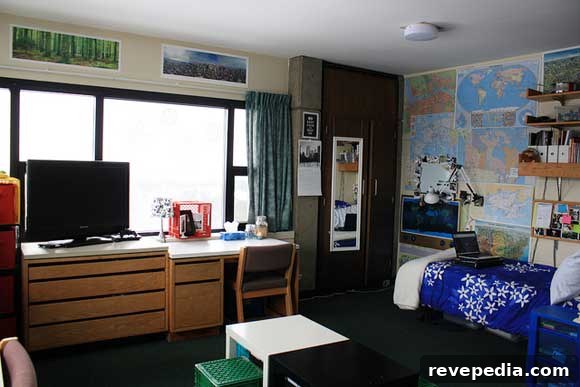
Lauren lives in student housing like thousands of other college students. We asked her to share practical small-space tips for dorm living—advice every freshman should read, and that anyone living in a compact home can apply.
A dorm room is often the smallest space many students will ever call “home.” Making that space functional, comfortable, and stylish supports better studying and more enjoyable social time. The suggestions below will help you turn a generic dorm into a personalized, efficient, and welcoming room you’ll be happy to live in.
1. Purge What You Don’t Need
Before packing, sort through your belongings and leave behind items that are purely decorative or that you won’t use. Dorm storage is limited, so extra clutter will make the room feel cramped and untidy. Bring a few framed photos and meaningful keepsakes, but keep the rest at home to maintain an organized, livable space.
2. Use Fabric to Define the Room
Furniture options in dorms are usually fixed, so use textiles to inject personality. Choose sheets, duvets, curtains, futon covers, and towels in coordinated colors and patterns that reflect your style. Well-chosen fabrics create a cozy, cohesive atmosphere without taking up valuable floor space.
3. Choose Prints Over Large Posters
Posters are common in dorms, but oversized prints can overwhelm a small room. Opt for smaller, well-framed prints—about 16 inches—rather than giant band or movie posters. Framed art looks more polished and makes a compact room feel like a carefully curated living space rather than a cluttered cave.
4. Invest in Dual-Purpose Furniture
Beyond the standard bed and desk, select pieces that serve more than one function. Loft beds that allow room for a desk or sofa underneath, ottomans with hidden storage, futons or small sleeper sofas, and compact mini-fridges that double as end tables are smart choices. Multipurpose furniture maximizes usefulness while minimizing footprint.
5. Add Extra Lighting
Dorm rooms often have only a ceiling fixture and limited natural light. Bring a task lamp for focused work at night and consider a floor lamp to brighten the overall space. Good lighting makes studying easier and creates a welcoming environment for guests.
6. Bring Some Plant Life
One or two plants can transform a sterile dorm room into a warmer, more inviting space. Plants add color, texture, and life, softening the boxy look of most dorm rooms. If live plants feel like too much responsibility, high-quality faux plants can provide a similar effect without the upkeep.
7. Maximize Closet Storage
Whether you have a wardrobe or a built-in closet, make the most of it. Hanging shoe organizers work well for shoes and for folded clothes, toiletries, or cleaning supplies. Stackable plastic drawers provide customizable storage and make it easy to keep items organized and accessible. Be creative in using every inch of vertical and horizontal space.
8. Create an Effective Work Area
Remember why you’re in school: to study. Equip your desk with essentials—laptop, printer and paper, pens and pencils, stapler, tape, and other basic supplies. If your desk has room, add a small shelving unit on top to store paper, textbooks, and supplies. A well-organized workspace supports focus and productivity.
9. Define Separate Zones
Design a layout that separates work and relaxation areas to make the room feel larger and more functional. Arrange desks and file storage on one side and seating or a lofted sleeping area on the other. Area rugs help visually divide the space and reinforce different functions, making it easier to switch between study mode and downtime.
10. Keep It Clean and Tidy
Small rooms show mess quickly, so keep basic cleaning supplies on hand: a small broom, handheld vacuum, and disinfecting wipes make quick maintenance easy. Make your bed daily and tidy your desk each night—these small habits greatly improve how clean and comfortable the room feels for you and any visitors.
With thoughtful editing of possessions, smart furniture choices, clear zones for work and relaxation, and a few finishing touches like plants and lighting, your dorm can be both practical and pleasant. A well-planned small space supports better study habits, easier socializing, and a homey atmosphere throughout the school year.
Photo credit laceyj