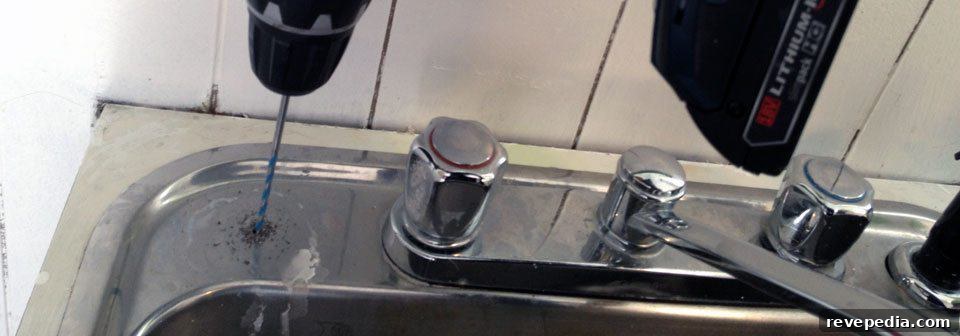
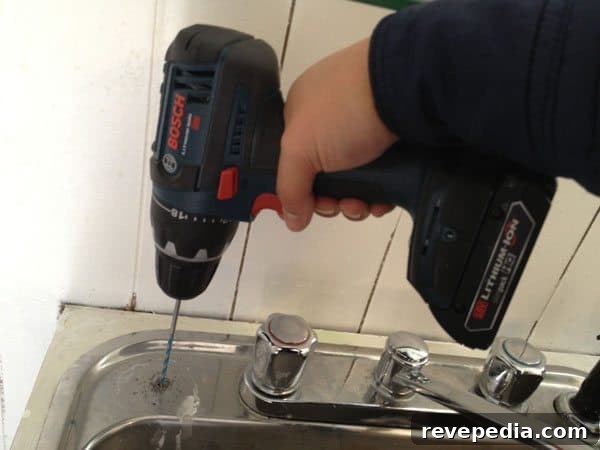
I recently installed a Filtrete water filtration system under my sink and needed to drill through the stainless steel basin. I expected it to be simple, but after burning out a couple of inexpensive bits I discovered it requires the right technique and tools. I researched tips and combined several approaches that worked with the tools I already had.
There are many recommended methods—using a center punch or a drill press, for example—but those options weren’t practical for me. The method below is practical for a typical home toolbox and produces clean, reliable results when done carefully.
1. Make a starter dimple
Create a small dent where you want the hole. A dedicated center punch and hammer work best, but a nail and hammer can produce a small starter mark. The point is to prevent the bit from wandering when you begin drilling.
2. Apply lubricant
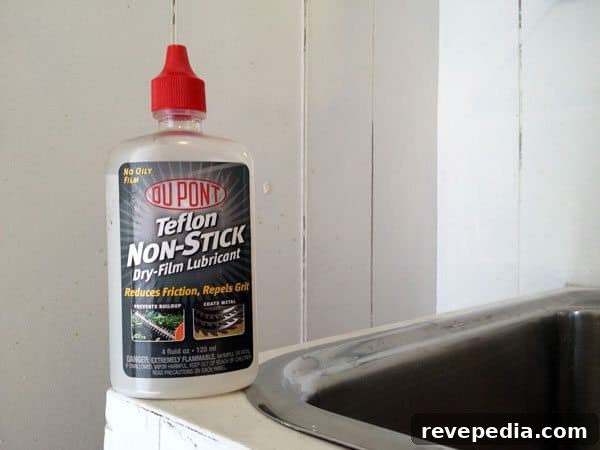
Keep the cutting area cool with a lubricant. I used a chainsaw lubricant I had on hand; cutting oil, motor oil, or a dedicated drilling fluid will also work well. Lubrication reduces heat and friction, extending bit life and improving the cut.
3. Use the right bit and start small
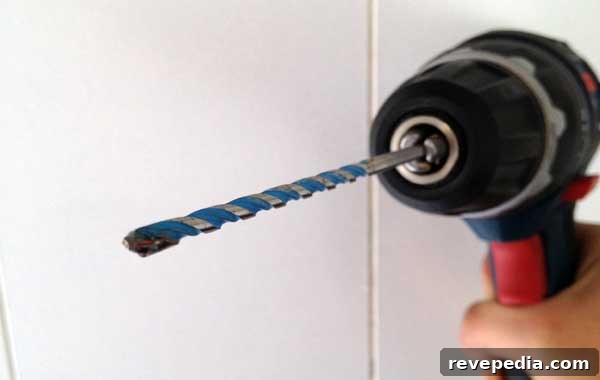
Use sharp, carbide-tipped or cobalt bits designed for metal. Begin with a small pilot hole and step up to larger sizes until you reach the final diameter. Starting small reduces heat and prevents the larger bit from walking.
4. Control drilling speed
Run the drill at a moderate speed. Full throttle often generates excessive heat, which is harmful with stainless steel. On my cordless drill the best speed was about one-third from wide open. Adjust based on your drill’s RPM and the bit size; larger bits require slower speeds.
5. Apply steady pressure
Push the drill straight and with firm, consistent pressure. Let the bit do the cutting—too little pressure causes skidding, too much can damage the bit or material. Maintaining perpendicular alignment ensures a clean, accurate hole.
6. Pause to cool
Stop occasionally to let the bit and metal cool and to reapply lubricant when needed. Stainless steel work-hardens as it heats, so drilling slowly with intermittent cooling is essential. These pauses extend bit life and help maintain a clean edge.
After drilling, remove any burrs with a file or deburring tool and clean up metal shavings from the area. Wipe away lubricant and debris before installing fittings or components.
Following these steps produced a neat hole and saved me from replacing more drill bits. Patience, the right bit, lubrication, and controlled speed are the keys to successfully drilling stainless steel.
Do you have any tips for drilling stainless steel?