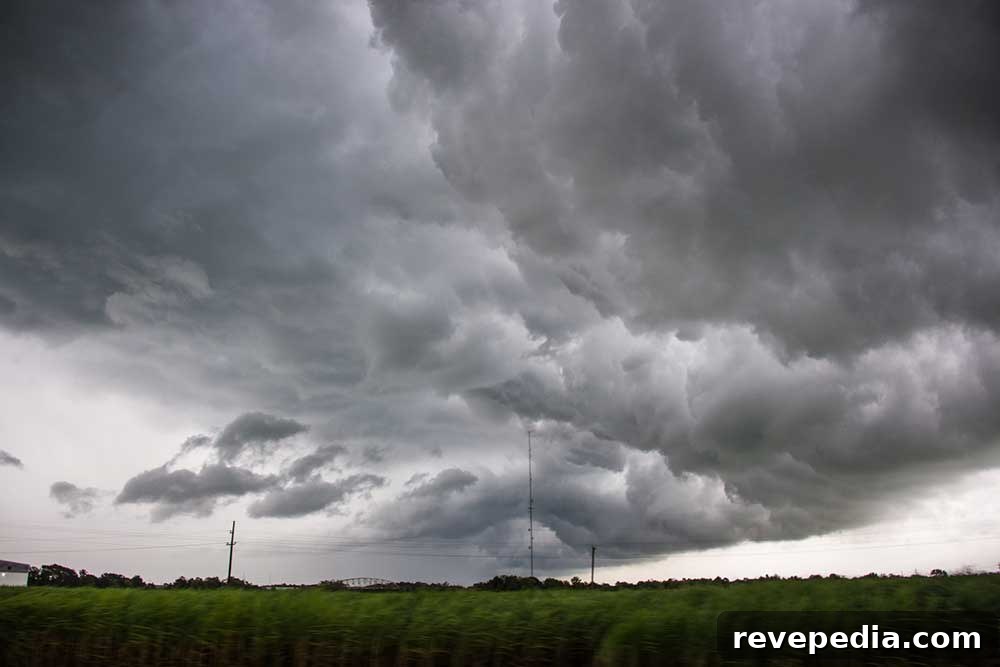
Hurricane season is underway in Florida and along the Gulf Coast, and many communities may be ordered to evacuate. As with any severe storm—hurricane, tornado, or flood—preparing your vehicle ahead of time is essential so you can leave quickly and safely if needed.
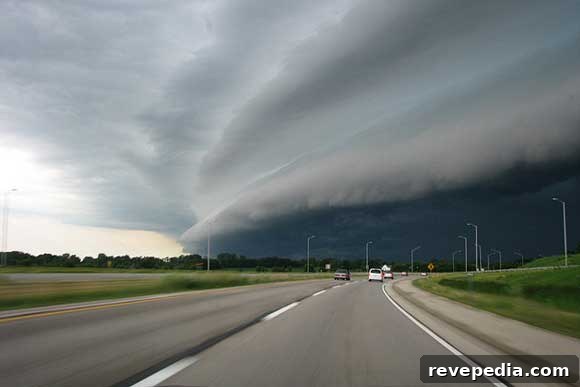
Assembling an emergency car kit is a smart first step. Include essentials like water, nonperishable snacks, a first-aid kit, flashlights, extra batteries, a phone charger, blankets, and any necessary medications. The American Red Cross provides a reliable checklist for disaster supplies that can help you prioritize what to pack.
When it’s time to drive during a storm, follow these key safety tips to reduce risk and improve your chances of reaching a safe location.
Find Shelter
Hurricane-force winds can make vehicles difficult to control and may even tip them over. If you have trouble staying on the road or controlling your car, seek shelter immediately. A sturdy building is safer than a vehicle, so head indoors when possible.
If you cannot reach a building, use your car as a temporary refuge. Pull off the road and, if available, park under a bridge overpass or inside a parking garage to reduce exposure to wind, flying debris, and falling trees.
Avoid Flooded Streets
Never drive through standing water, even on roads you know well. Water depth is often greater than it appears and can cause your car to stall, trapping you in rising water. Floodwaters can severely damage an engine, electrical systems, and the vehicle interior, and moving currents can sweep a car away.
According to the National Hurricane Center, more than half of hurricane-related fatalities over the past 30 years were linked to inland flooding. Among those, a significant portion occurred when people were trapped in vehicles. Avoid risk by turning around and finding an alternate route.
Watch for Downed Power Lines
Storms frequently knock down power lines; never drive over or near downed or hanging lines. Do not assume your car will protect you from electrical hazards. Contact with live lines can be fatal, and vehicles tangled in wires may be difficult or dangerous for rescuers to reach.
If you encounter downed lines, keep a safe distance, stay in your vehicle unless it is on fire or you must move to avoid immediate danger, and call emergency services for guidance. When possible, warn others to stay away until professionals secure the area.
Preparing your car and knowing what to do on the road can make a critical difference during hurricane season. Keep your emergency kit stocked, stay informed about local evacuation orders, and prioritize finding safe shelter, avoiding floodwaters, and steering clear of downed power lines.