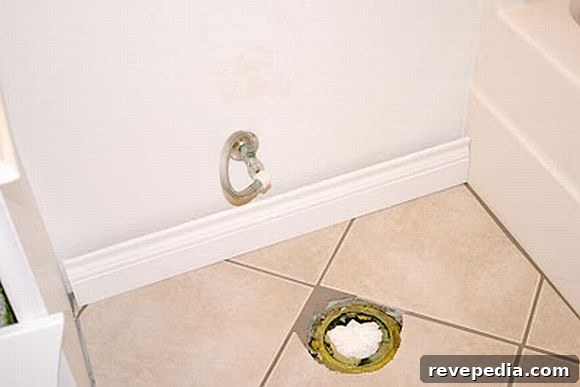
Baseboard molding is a subtle detail that can instantly elevate a room, adding architectural interest and a finished look. In many homes, the existing baseboards are narrow—sometimes only an inch or so above the carpet—which can make a space feel incomplete. With basic materials, a little time, and some straightforward DIY steps, you can extend your baseboards to achieve a more substantial and polished appearance. Below is a clear, practical guide to help you through the process.
Materials
1/2-inch by 2 1/2-inch (or wider) MDF board, cut to the required lengths
Hand saw and miter box (or a powered miter saw for faster, more precise cuts)
Wood glue suitable for MDF and trim
Clamps (optional, but helpful for gluing)
Finishing nails and hammer or a nail gun
Sandpaper and a damp cloth for cleaning trim before reuse
Paint and caulk for finishing
Preparation
Start by carefully removing the existing molding so you can reuse it. Pry the trim away slowly to avoid damaging the wall or the molding itself. Once removed, scrape off any old caulk, dust, or debris and lightly sand the surface to ensure the new material adheres well. Wipe the pieces with a damp cloth and allow them to dry completely before proceeding.
Assembling the Extension
Cut the MDF board into strips that match the lengths of your existing baseboard runs. Test-fit each strip against the molding to ensure a tight, even fit. Apply an even bead of wood glue to the back of the MDF strip, then press it to the back of the existing molding so the original molding remains the visible face. Use clamps to hold the two pieces together until the glue sets if you have them—this ensures a flat, seamless bond.
Painting Options
You can paint the molding before installation to save time and avoid mess, or you can install first and paint afterward—either approach works. If you paint before installation, be sure any glue or caulk you intend to use will adhere well to the painted surface. If you wait to paint, mask the wall and floor as needed to get clean lines during final finishing.
Installation
With the pieces glued and dry, reinstall the extended baseboard on the wall. Use finishing nails or a nail gun to secure the molding into wall studs or the underlying wall material. Miter the corners so adjoining pieces meet cleanly—use a miter box or miter saw to cut precise 45-degree angles for inside and outside corners. After nailing, fill nail holes and seams with caulk or wood filler as appropriate.
Finishing Touches
Once installed, touch up seams, corners, and any imperfections with paint and caulk. Smooth caulk lines with a wet finger or tool for a professional appearance. A final coat of paint will blend the old molding and new MDF extension into a cohesive, upgraded baseboard that adds visual weight and refinement to the room.
Extending baseboards is an achievable weekend project that yields a significant visual upgrade. It’s cost-effective and requires only basic carpentry skills and tools. If you’ve tackled a similar project, consider which materials and methods worked best for you—MDF is economical and easy to shape, while solid wood offers a different look and durability. With careful preparation, clean cuts, and proper finishing, your baseboards can look custom and professionally installed.
Photo courtesy of Remodelaholic