Early fall is the ideal time to inspect your home and prepare it for the coming winter. Below is a practical checklist of common problem areas and clear steps to address them.
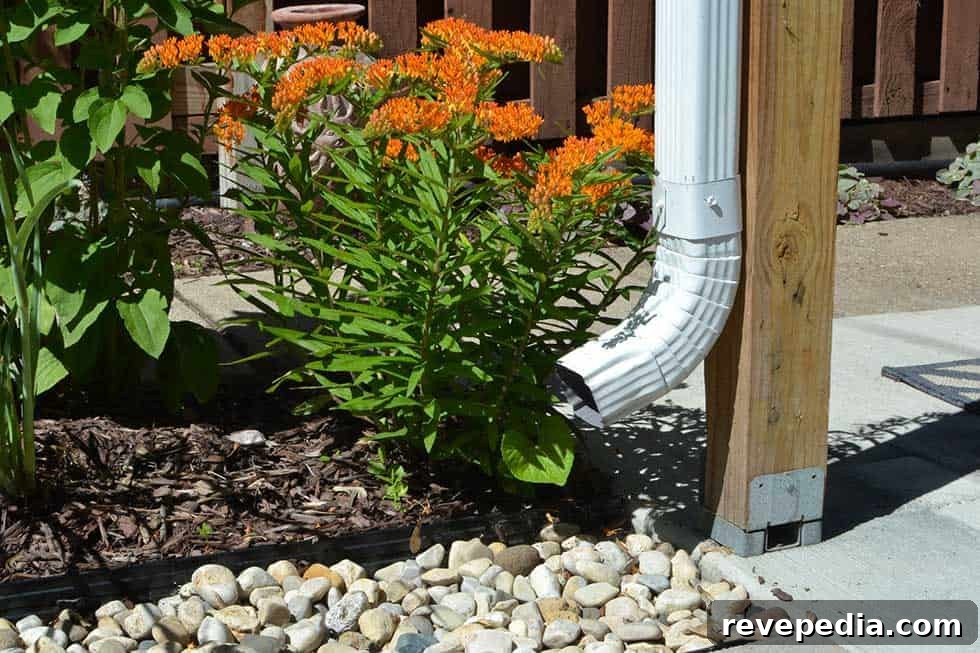
Get your mind in the gutters. Your roof’s drainage system diverts thousands of gallons of water away from your house and foundation every year. Keeping gutters clear and working properly prevents water damage to exterior surfaces and basement leaks, and reduces the risk of rust or corrosion. Before leaves begin to fall, have your gutters cleaned and consider installing mesh guards to keep debris from returning.
Button up your overcoat. Air leaks around windows and doors are like an unbuttoned coat: they let heat escape. The U.S. Department of Energy estimates that gaps in caulk and weather-stripping can account for around 10% of heating costs.
Weather-stripping is one of the most cost-effective ways to reduce heating and cooling bills. It also cuts drafts and improves comfort year-round. Because weather-stripping deteriorates over time, inspect it regularly and replace it when worn.
To check weather-stripping, try these simple tests: close a door or window on a strip of paper—if the paper pulls out easily, the seal is poor. Or close the door or window and hold a lit candle near the frame (keep the flame away from flammable materials); a flicker indicates a draft. While inspecting, also look for missing or cracked caulk around windows, doors, and utility entry points. Seal gaps with an appropriate caulk.
Get on top of roof problems. A leaky roof can be difficult to diagnose and can escalate quickly when ice and winter winds arrive. Inspect your roof in early fall to catch issues before they worsen.
How to inspect: Use binoculars if needed and scan the roof for cracked, curled, or missing shingles and for damage to ridge shingles. Check metal flashing in valleys and around vents and chimneys. Look in gutters for large accumulations of granules—this indicates shingles are losing their protective coating and the roof may need attention soon. Confirm gutters are draining freely.
Note: Roof-mounted TV antennas, even if unused, may still be held by guy wires. Look for loose or missing guy wires; if the antenna is not needed, consider removing it.
Walk the walks (and drives). Cracked or uneven walkways, steps, and driveways are hazards year-round and become more dangerous when icy. Repairing these issues in the fall prevents small problems from turning into costly repairs.
Inspect walkways and drives for cracks wider than 1/8 inch, uneven sections, loose railings on steps, disintegrating asphalt, or washed-out materials on loose-fill paths. Small repairs are often doable for competent DIYers; leave major structural repairs to professionals.
Chill out. If you live where temperatures dip below freezing, protect outside faucets (sill cocks) and in-ground irrigation systems from freeze damage.
How to winterize: Close shut-off valves that serve outdoor faucets, then open the faucet to drain water from the line (some faucets have a small cap to ease draining). If you don’t have shut-off valves and the faucets are not “freeze-proof” types, use insulating faucet covers sold at home centers.
For irrigation systems, follow the manufacturer’s instructions for draining and protecting the system for winter to avoid burst pipes and damaged components.
Freshen your filter. Furnace filters trap dust that would otherwise settle on furniture and woodwork. Clogged filters reduce heating efficiency and can increase utility bills. Regular maintenance—cleaning or replacing filters monthly when in use—keeps your system working efficiently.
How to clean or replace: Disposable filters can be vacuumed once before replacement. Foam filters may be vacuumed and reused until damaged. Use a soft brush attachment on your vacuum. If a filter is metal or electrostatic, remove and wash it with a steady water spray, then let it dry before reinstalling.
Give your furnace a physical. Have a licensed professional inspect your heating system at least once a year—early fall is the best time. Prompt inspections help prevent breakdowns and costly emergency repairs.
Warning signs that indicate you should schedule a check-up sooner include:
Noisy belts. Screeches or whines can mean blower motor belts are worn or loose.
Poor performance. If the system no longer heats like it used to, ducts might be blocked, burners misadjusted, or the blower motor nearing failure. First, check that the furnace filter is clean.
Erratic behavior. Intermittent operation can indicate a faulty thermostat or improper furnace adjustments.
Gather round the hearth. Even occasional fireplace use requires annual checks to prevent hazards.
Inspect the flue for creosote. Creosote is a flammable residue from burning wood and can cause chimney fires. Have a chimney professional inspect and clean the flue annually; if you burn wood frequently, inspect after each cord of wood burned. With a bright flashlight you can check for deposits approaching 1/8 inch—any significant buildup should be cleaned by an experienced sweep.
Check for flue blockages. Birds and other animals nest in unprotected flues. A chimney cap prevents this; if no cap is present, verify the flue is clear of obstructions.
Exercise the damper. Open and close the metal damper plate above the firebox to ensure it operates smoothly.
Inspect the chimney structure. Make sure a flue cap is in place, and inspect brick chimneys for loose or damaged mortar joints. Use binoculars if direct access is difficult.
Keep the humidifier humming. Dry winter air can cause discomfort and increase the risk of cracking in fine woodwork. Maintain your central humidifier during the heating season to preserve comfort and protect your home.
Maintenance tips: Inspect the humidifier pads or plates and clean them with a strong laundry-detergent solution if needed. Rinse thoroughly and remove mineral deposits with a wire brush or steel wool. Replace pads according to manufacturer recommendations.
Head off gas problems. Proper maintenance of gas heaters is essential for safety and efficiency. An improperly maintained gas heater can produce dangerous combustion byproducts or waste fuel. Have a professional inspect these appliances annually, and perform basic maintenance yourself.
What to check: Turn off the heater, then inspect air-shutter openings and exhaust vents for dirt and debris. Vacuum air passages to the burner and clean the burner of lint and dust. Follow the manufacturer’s maintenance instructions for additional steps.
Keep wood fires burning brightly. Wood-burning stoves add warmth and ambiance but require regular inspections to remain safe.
Inspect stovepipes. Check stovepipes regularly for corrosion, holes, loose joints, or cracks that could allow toxic fumes into your home. Clean the stovepipe, then inspect for deterioration and replace piping if needed.
Check for body corrosion and cracks. Examine the stove’s body and legs for rust or cracking and repair or replace components as needed.
Verify safety features. Ensure required wall protection is installed according to manufacturer specifications and that the stove rests on approved floor material. If you have small children, install a secure guard around the stove when it’s in use.
At least once a year, conduct a top-to-bottom review of your home’s safety systems and rehearse your family’s fire evacuation plan.
Smoke and carbon monoxide detectors. Replace batteries annually, vacuum the units with a soft brush attachment, and test them using the built-in test button or by holding a smoke source nearby. Install detectors on every floor, including the basement, if not already present.
Fire extinguishers. Keep at least one A-B-C rated extinguisher in your home—ideally one near the kitchen and one per floor. Annually check the pressure gauge to ensure the extinguisher is charged, confirm the lock pin is intact, and examine the nozzle for blockages. Clean and inspect the unit for dents, scratches, or corrosion. Replace extinguishers older than six years and mark the purchase date on new units with a permanent marker.
Fire escape plans. Every bedroom, including any in the basement, should have two exit routes. Ensure windows are not blocked by furniture and consider keeping a rope ladder near upper-floor windows for emergency escape. Review fire procedures with your family and designate an outdoor meeting place away from the house.
General cleanup. Remove accumulations of old newspapers and properly dispose of leftover hazardous household chemicals according to local regulations. Store flammable materials and poisons in clearly labeled, approved containers. Maintain clear space around heaters, furnaces, and other heat-producing appliances.
Photo from Center of Neighborhood Technology.