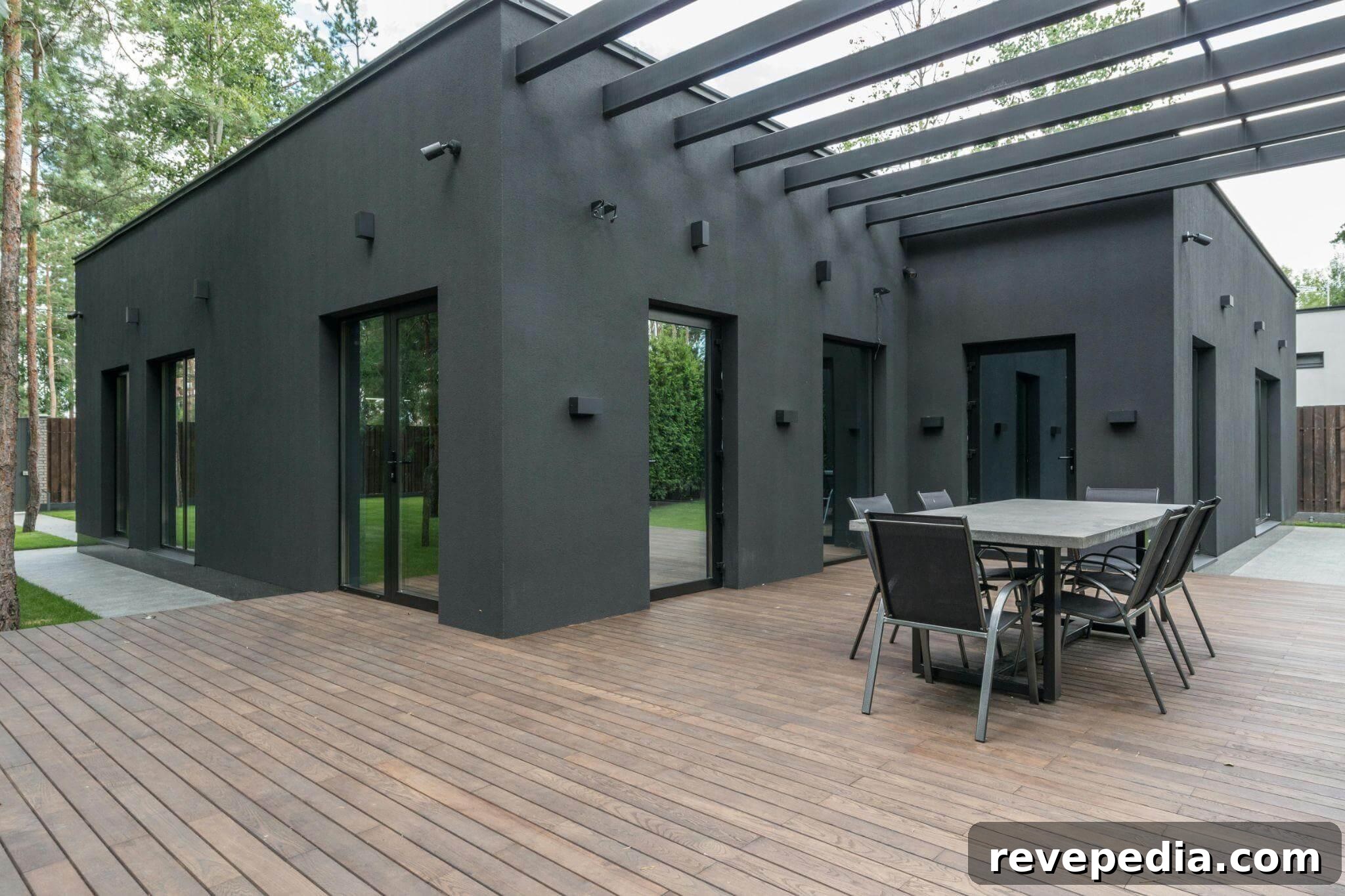
A backyard deck transforms a home’s atmosphere. It becomes a natural gathering place for morning coffee, casual dinners, or quiet evenings, and although finished decks often appear simple, creating one requires considerably more planning than many homeowners expect.
A successful deck should feel like an integral part of the house, not an afterthought attached to the back wall. Achieving that requires thoughtful decisions about layout, materials, maintenance, drainage, and long-term use. Addressing those details early in the process smooths the project and reduces costly changes later.
Too many people begin with design inspiration and aesthetic choices before answering practical questions. The strongest deck projects start by asking: How will this space really be used? How much maintenance is realistic? What conditions must the deck withstand over the next decade or more?
The answers to those questions influence every subsequent decision.
Start With How You Actually Live
It’s easy to overbuild when planning focuses solely on appearance. Multi-level designs and elaborate features can look impressive in photos but may not suit everyday use. A family that entertains frequently will have different needs from one that prioritizes a safe play area for children or a quiet private retreat.
Function should lead design. Before picking colors or railing styles, consider traffic flow, sun exposure, and movements between the house and yard. Practical features—built-in seating, integrated lighting, shade structures, and storage—greatly affect comfort and usability. Even stair placement can change how easily people move across the space.
Once you understand how the deck will be used daily, selecting materials and finishes becomes simpler. Owners often weigh options like stone versus composite decking because each material balances durability, appearance, maintenance, and long-term value differently. The right choice aligns with how the deck will be lived on for years, not just current trends.
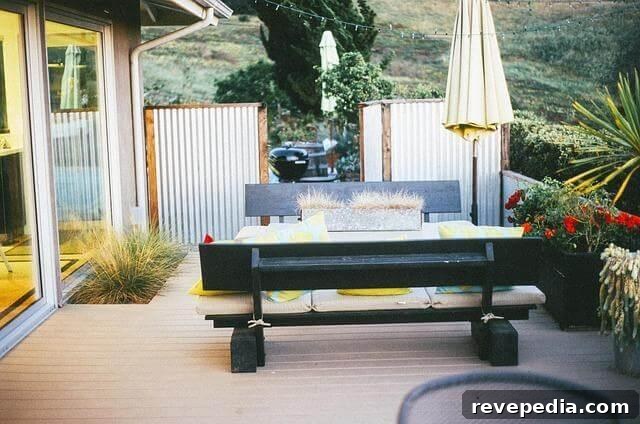
Budget Beyond the Surface Costs
One common surprise in deck building is how quickly costs expand beyond boards and railings. Permits, labor, grading, electrical work, lighting, drainage adjustments, and foundation requirements all influence the final price. Older properties may reveal unexpected yard issues once work begins.
That doesn’t mean you must overspend, but it does mean planning a flexible budget. Consider not only upfront expenses but also long-term maintenance. Natural wood may be less costly initially but requires regular staining, sealing, or repairs. Composite materials typically reduce maintenance needs but come with higher initial costs. Premium materials can lower lifetime expenses even if they seem expensive at the start.
Think realistically about how much time you want to invest in upkeep. No one wants to spend summer weekends sanding boards instead of using the deck.
Understand Local Building Requirements
Decks are structural additions and usually require permits, inspections, and adherence to local building codes. Those regulations protect safety and structural integrity.
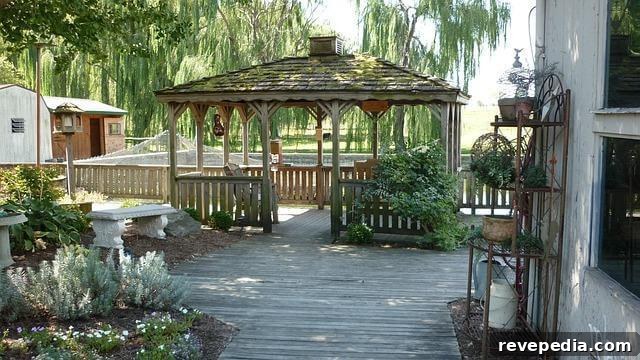
Incorrect footing depth, weak railings, improper attachment methods, or poor drainage can create safety hazards that worsen over time, particularly under constant weather exposure. Before construction, confirm requirements for permit approvals, property line setbacks, load-bearing standards, stair dimensions, guardrail heights, frost depth for footings, and electrical and lighting regulations.
Skipping this step can delay projects or force removal of non-compliant work later. While a qualified contractor typically manages these details, homeowners should understand the basics before signing any contracts.
Choose Materials With the Long Term in Mind
Materials age under sunlight, rain, snow, humidity, and temperature swings. Durability matters as much as style. Pressure-treated lumber remains common for affordability and availability; cedar provides a natural look and insect resistance but still needs maintenance; composite decking reduces upkeep and resists fading better than traditional wood.
Every material brings tradeoffs: some surfaces heat up in direct sun, others scratch more easily or feel less natural underfoot. In cold climates, freeze-thaw cycles can affect performance. Appearance over time matters too—a deck should still feel connected to the home years later. Neutral finishes and timeless layouts generally age better than trend-driven designs.
Drainage and Ventilation Matter More Than Most People Expect
Moisture management is rarely pictured in inspiration photos, but it determines a deck’s lifespan. Poor drainage traps water beneath the structure, causing rot, mold, shifting, and structural decline. Without adequate airflow, even durable materials can fail prematurely.
Ensure grading directs water away from the foundation, leave gaps between boards for drainage and expansion, and provide underdeck ventilation to reduce moisture buildup after storms or during humid seasons. These invisible details are critical; a visually beautiful deck that traps water underneath becomes a maintenance headache quickly.
Think Carefully About Sun and Shade
Comfort on a deck changes throughout the day. A space that’s pleasant in the morning can be uncomfortably hot by afternoon. Observe how sunlight moves across the yard and note the effects of trees, neighboring buildings, and rooflines on exposure.
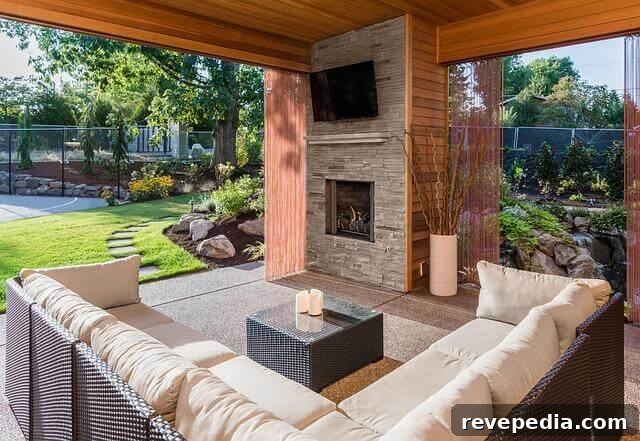
Many homeowners later add pergolas, awnings, or privacy screens when they realize their deck receives more direct sun than expected. Planning for these possibilities up front often saves money and disruption later. Shade planning also affects material selection, since constant sun increases fading, surface temperatures, and thermal expansion.
Lighting Changes the Entire Atmosphere
Thoughtful lighting serves both safety and atmosphere. Stair lights increase safety, railing lights define edges, and subtle ambient fixtures extend usable hours without creating harsh brightness. Warm lighting tends to work best outdoors because it feels softer and more inviting.
Careful placement is more important than intensity—lighting should make the deck usable and welcoming after dark without turning your backyard into a commercial lot.
Hiring the Right Contractor Matters
Even high-quality materials won’t compensate for poor workmanship. A dependable contractor should provide clear timelines, written estimates, guidance on permits, references, and a transparent explanation of the construction process. Communication matters as much as technical skill.
Vague answers early on usually signal bigger problems later. Ask about warranties, subcontractors, cleanup expectations, and material sourcing. A reputable builder welcomes these questions and communicates consistently—arriving on time, returning calls, and explaining options without pressure.
A Backyard Deck Should Feel Easy to Live With
The best decks are rarely excessive. They fit the home naturally and make outdoor living easier. A well-designed deck supports everyday routines without demanding constant attention, becoming a consistent part of how people experience their home through the seasons.
Thoughtful decisions early in planning prevent larger frustrations later, because once construction begins, changes get harder and more expensive. Start with the fundamentals—structure, materials, drainage, function, and longevity—because these are the details that truly make a deck last.