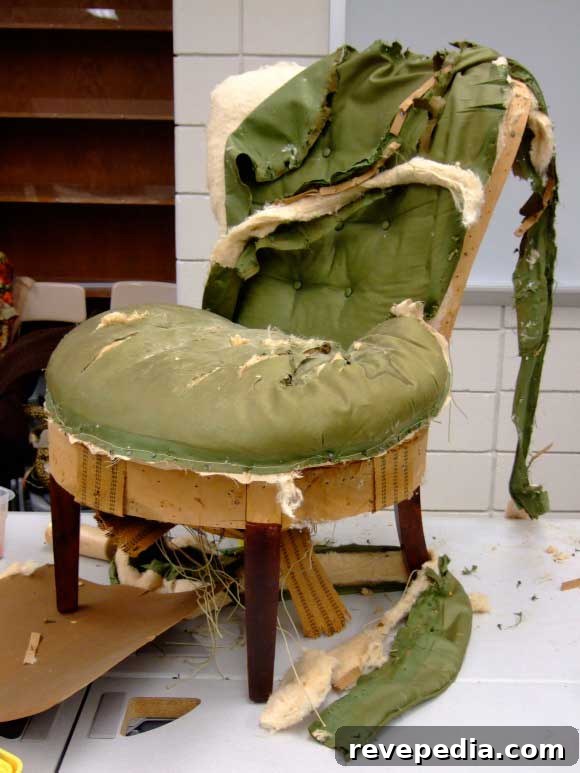
I recently started doing my own upholstery. As a beginner, I’m now collecting the right upholstery tools to do the job properly. My small set of vintage upholstered furniture has wonderful lines and solid construction, but my five cats have turned those pieces into their preferred scratching spots.
They’re in urgent need of reupholstering. Always ready for a DIY challenge, I began researching how to reupholster these pieces myself.
The first discovery in my research was a set of essential upholstery tools. I was surprised to learn that covering furniture with fabric requires its own specialized tools.
Many of these tools resemble carpentry tools but are adapted for fabric and delicate furniture work. If you’re starting out with upholstery, these basics will make the process far easier and help you avoid damaging the furniture.
Essential Upholstery Tools
Below are the key tools for a beginner, with brief notes on what each is used for:
Needle-Nose Pliers
Useful for extracting the ends of broken staples and pulling staples or small tacks. These are similar to the needle-nose pliers you may already have in a general toolbox.
Rubber Mallet
A rubber mallet is preferred over a regular hammer when disassembling or adjusting wooden frames; it reduces the risk of denting or splitting the wood.
Straight-Blade Sewing Scissors
Ideal for cutting fabric, thin foam, batting, and thread. Choose sturdy fabric scissors rather than pinking shears, which are meant for zig-zag edge finishes.
Upholstery Needle
A long, heavy-gauge steel needle designed for rolled edges, quilting, and sewing on buttons. For very heavy fabric, a mattress needle is recommended.
Stapler or Tack Hammer
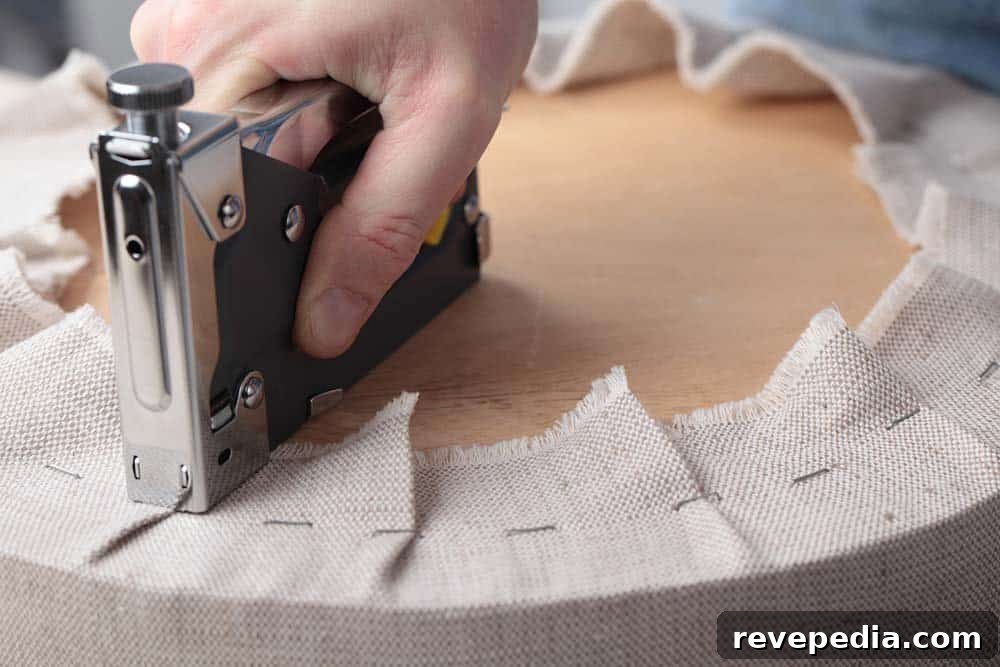
Staplers (pneumatic, electric, or a quality manual staple gun) are used to attach fabric and padding to frames. A tack hammer—often with a small magnetic head—helps set decorative tacks or small nails precisely.
Claw Tool
Designed specifically for removing tacks and staples without damaging wood. It resembles a small flat tool with a v-shaped prong for careful extraction.
Webbing Stretcher
Used to tension and secure seat webbing. It grips the webbing to pull it tight so you can fasten it properly to the frame with tacks or staples.
As someone who already sews, I own several of these items. However, I still need to buy a couple of tools I don’t have yet, plus the fabrics and padding to complete the restorations.
Choosing fabric and finishes will determine the final look of these pieces—beyond simply making them resistant to cat claws.
Books, Classes, and Learning Resources
For beginners, a clear instructional book and hands-on classes are invaluable. One helpful resource is The Little Upholstery Book: A Beginner’s Guide to Artisan Upholstery by Shelly Leer. Shelly teaches upholstery in her community and explains techniques in ways that work for both novices and intermediate DIYers. If you can find a local class, it’s an excellent way to gain hands-on experience.
I also spoke with Shelly on a podcast where she shared practical advice on upholstery techniques and the essential tools to have on hand.
Good luck with your upholstery projects. With the right tools, a little patience, and step-by-step practice, you can revive vintage furniture and give it a fresh, functional life.