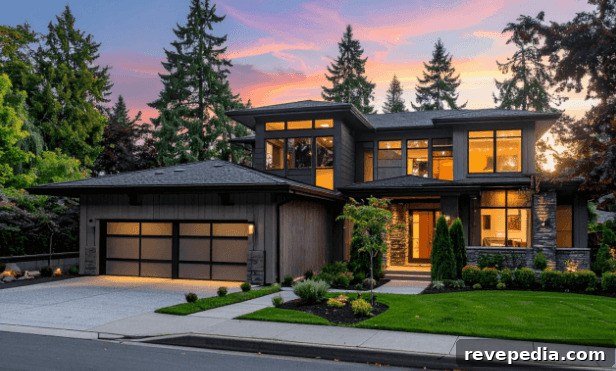
At some point, most homeowners notice their home’s exterior no longer looks as crisp as it once did. The structure may be perfectly sound, yet years of sun, rain, and general exposure cause colors to fade, finishes to dull, and details to lose definition. While interior upgrades often take priority, the exterior quietly records time in ways that change how a property reads from the street.
Fortunately, restoring a refreshed, purposeful look doesn’t always mean a complete overhaul. Thoughtful, staged updates—some small and some more substantial—can improve curb appeal, restore visual balance, and make the house appear intentional and well maintained.
This guide outlines the exterior elements that most dramatically affect curb appeal and explains how targeted improvements can deliver a cohesive, polished result.
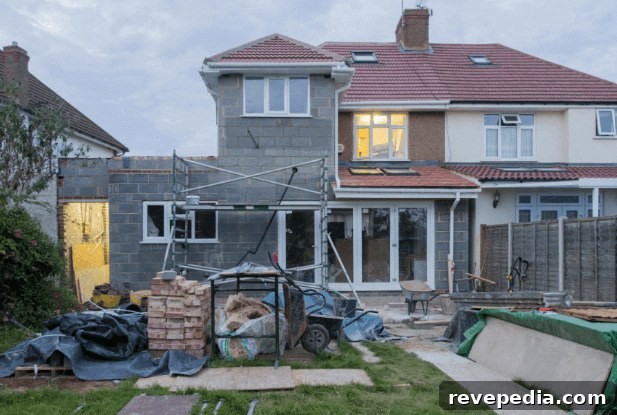
Image Source
Small Details That Spark Change
Often, the transformation begins with modest fixes. Repainting trim, replacing an outdated front door, updating porch lighting, or swapping worn shutters can immediately improve how a house presents itself. These changes work because they reset the visual balance, directing attention to the entry and clarifying architectural lines.
A fresh door color revitalizes the entrance, new lighting sharpens nighttime sightlines, and crisp trim brings definition back to windows and eaves. Yet small updates have limits: if core materials are aged or uneven, the house may still feel slightly tired, which is when homeowners often consider larger exterior improvements.
Why Siding Makes a Big Visual Difference
Because siding covers so much surface area, changes to it dramatically alter a home’s appearance. Fading, uneven weathering, or dated textures can make a property seem older or less cared for. New siding materials resist fading, maintain clean panel lines, and give walls a straighter, more intentional presence.
Upgrading siding often produces surprising results: windows look sharper, trim regains prominence, and landscaping feels like a complementary frame rather than visual competition. Many homeowners work with experienced siding contractors to select durable materials and finishes that hold color and form over time.
Exterior Paint That Unifies the Look
Paint is one of the most transformative exterior details, but it’s also easy to postpone because fading happens gradually. A refreshed coat of paint restores contrast, sharpens trim lines, and makes architectural features pop. Even subtle shifts in tone can change how a house sits within its surroundings.
Some homeowners preserve their existing palette with fresh paint; others adjust hues slightly to better align with updated roofing, windows, or landscaping. Either approach typically yields a stronger, more cohesive appearance than expected.
Windows That Restore Symmetry and Light
Windows influence both the rhythm and perceived condition of a façade. Over time, frames may yellow, warp, or accumulate thick layers of paint, softening their original lines. Replacing or refinishing windows does more than improve energy efficiency; it restores symmetry, brightens the exterior, and tightens the composition of the façade.
New glass and clean frames reflect daylight differently and can give the home a brighter daytime presence and a warmer glow at night. The result is a subtle but meaningful change in how the entire exterior reads from a distance.
Rooflines That Frame the House
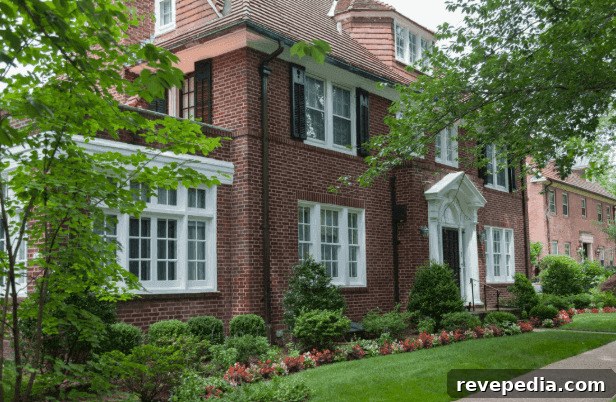
Roofs are often discussed for their protective role, but visually they act as the frame for the entire house. Worn or uneven shingles can age a property, while new roofing restores contrast between the roofline and the walls below. Darker shingles tend to anchor the home visually; lighter options soften the profile and blend with the landscape.
Replacing roofing also clarifies ridge lines and edges, giving the home sharper geometry. Though not flashy, roof updates provide substantial visual order and can dramatically improve overall curb appeal.
Landscape That Supports, Not Competes
A refreshed exterior plan includes landscaping that frames the house instead of obscuring it. Overgrown shrubs can hide important architectural details and large trees can block natural light. Trimming, repositioning, or removing aggressive plantings helps the structure reemerge as the focal point.
Simple updates—fresh mulch, tidy plant beds, and a well-maintained lawn—create breathing room and highlight the home’s improvements. Landscaping doesn’t need to be dramatic to be effective; often, restraint and neatness are all that’s required.
Project Planning Checklist: High-Impact Exterior Updates
Before beginning any work, step back and plan intentionally. Use this checklist to prioritize projects and manage scope and budget.
- View your home from the street
See it the way visitors and passersby do. Note fading, uneven color, and outdated features. - Prioritize high-impact areas
Focus on elements that cover the greatest visual area—siding, paint, and roofing—for the most visible results. - Start with simple upgrades
Small changes like improved lighting, refreshed trim, or a new front door create immediate impact while you plan larger work. - Inspect core materials
Assess siding, windows, and roofing for wear. When materials are aged or uneven, replacement may be more effective than patching. - Coordinate colors and materials
Ensure paint, roofing, siding, and trim create a cohesive palette so the exterior reads as a unified composition. - Consider both day and night
Evaluate visibility and mood under daylight and exterior lighting; well-placed fixtures can highlight architectural features. - Refresh landscaping as part of the plan
Trim overgrowth and clean planting areas so the home remains the focal point rather than the plants competing for attention. - Set a realistic timeline and budget
Phase projects if needed—start with the most visible upgrades and work toward larger replacements over time.
The Lasting Value of a Maintained Exterior
Improving a home’s exterior is typically a gradual process of layered improvements. Small updates provide early momentum, while larger projects such as siding, windows, and roofing redefine the property’s presence over time. Each improvement contributes to a clearer, more cohesive appearance and signals that the home is well cared for.
Whether you begin with minor details or move directly into substantial upgrades, focusing on the exterior is one of the most effective ways to enhance both the look and long-term value of your home.