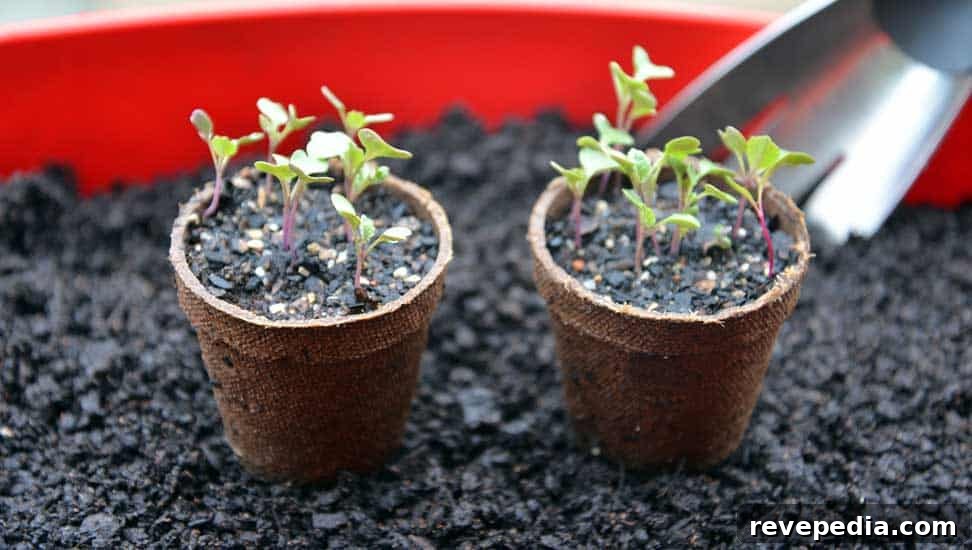
If you have a green thumb and can’t wait for cool fall days to get back into the garden, you’re in good company. Fall gardening is not only possible—it’s often recommended by horticulture experts because many cool-season vegetables develop better flavor and texture when they mature in cooler weather.
According to research from North Carolina State University’s Department of Horticultural Science, spring temperatures in some regions can rise quickly, causing vegetables like lettuce and spinach to bolt or become bitter when they mature in hot conditions. Planting in the fall can avoid those problems and produce higher-quality crops.
September is a great month to sow fast-maturing vegetables such as turnips and various leafy greens. Check with a local nursery or extension service for specific varieties that perform well in your climate and frost dates.
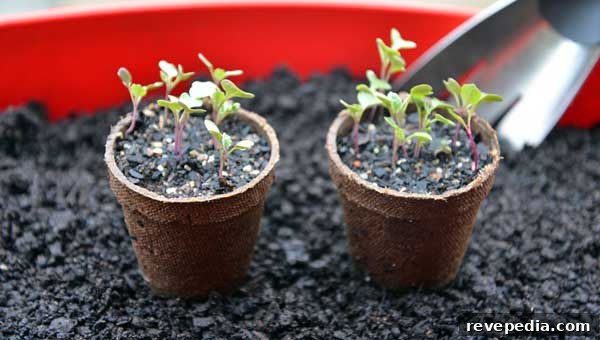
When sowing in fall, plant seeds slightly deeper than you would in spring or summer. Surface soils tend to be warmer and drier in late season, so deeper placement helps seeds access adequate moisture and reach cooler soil temperatures conducive to germination. Also keep an eye on your local forecast and be ready to protect plants from an unexpected freeze by covering them when necessary.
Preparing the Site
Start by clearing out remnants of the previous season—remove spent plants, crop residue, and weeds. Prepare the bed by tilling or spading to a depth of 6 to 8 inches to create a loose, workable seedbed. If you applied heavy fertilization in spring, additional pre-plant fertilization may not be necessary. Otherwise, apply 1 to 2 lb of a balanced fertilizer (for example, 10-10-10) per 100 ft² and work it thoroughly into the soil.
Planting the Fall Garden
Direct seeding is common for many fall crops like broccoli, cabbage, and collards, but success depends on consistent moisture for young seedlings after germination. If you lack irrigation, consider purchasing transplants from a local garden center to improve establishment.
Because fall soil tends to be drier and surface temperatures higher, plant seeds 1½ to 2 times deeper than you would in spring for the same crops. In hot, dry summers soils can form a crust that inhibits germination—especially in heavy clay soils. Lettuce and spinach seeds, for example, won’t germinate well when soil temperatures exceed about 85°F.
To keep seeded rows cool and moist, consider temporary shading with burlap, newspapers, or boards until germination occurs. Light mulch or shade can moderate soil temperature; be sure to remove shading material as soon as seedlings emerge. An alternative is to open a furrow, sow seed, and cover with potting mix or vermiculite. Young transplants may also benefit from light shading for the first few days after planting.
Watering and Fertilizing
Most vegetable crops benefit from roughly 1 inch of water per week. Deep, infrequent watering that soaks the root zone is preferable to many shallow waterings. However, seeds and young seedlings may require more frequent, light waterings to prevent drying out. New transplants typically need regular light watering until they develop a good root system.
Many fall vegetables respond well to sidedressing with nitrogen, similar to spring crops. Leafy vegetables in particular often benefit from a nitrogen application at about three and six weeks after planting to support steady, healthy growth.
Insects and Diseases
Insect and disease pressure can increase in the fall due to population buildup over spring and summer. The best defense is to maintain vigorous, actively growing plants, as healthy plants resist pests more effectively. Inspect plants frequently and, when necessary, apply approved pest controls. You may also opt to avoid especially vulnerable crops—such as squash, corn, and cucumbers—during late summer and fall when pest pressure is high.
Frost Protection
You can extend the harvest for tender crops by protecting them through early frosts. In many areas, there are several weeks of productive growth after the first frost. Cover beds or rows with burlap or floating row covers supported by stakes or wire so the material doesn’t rest directly on foliage. Individual plants can be shielded with upright milk jugs, paper caps, or temporary water-filled barriers.
Most semi-hardy and hardy vegetables need little or no protection from light frosts. Semi-hardy crops should be harvested before hard freezes. Root crops such as carrots and radishes should be harvested or heavily mulched prior to a significant freeze; heavy mulch can often allow harvesting of roots well into winter, and in mild winters, harvest may continue into spring.
Fall gardening can be rewarding, producing flavorful, cool-season vegetables with less heat stress than spring plantings. If you garden in the fall, consider adjusting seed depth, maintaining consistent moisture, protecting young plants from temperature swings, and monitoring for pests to maximize success. Do you plant in the fall? Share any tips from your own experience to help other gardeners achieve a productive season.