When building decks, fences, or any structures above ground level, properly placed footings are essential. In regions where the ground freezes seasonally, footings and posts can shift or heave if they aren’t set deep enough. Understanding the local frost line and following building code requirements will prevent costly movement and damage.
The depth you need to dig for safe footings depends on your area’s frost line. The map below gives a general idea of frost depth across the United States so you can determine how deep to place your footings for long-term stability.
What Is the Frost Line?
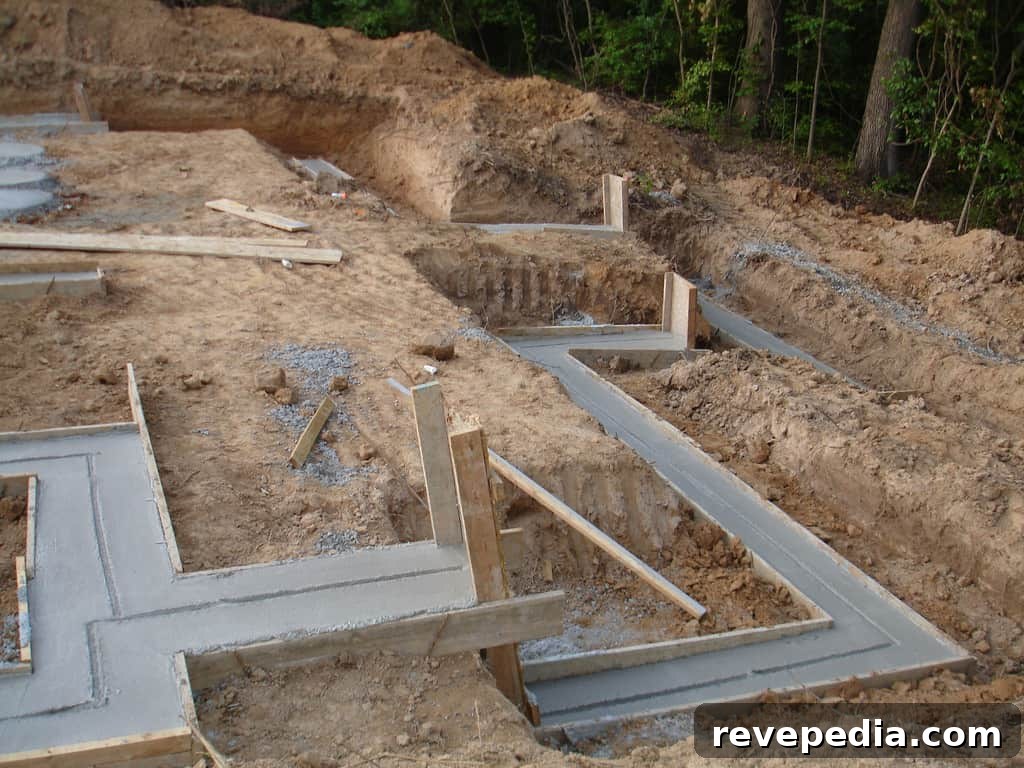
The frost line, or freezing depth, is how far into the ground the soil typically freezes during winter. For sound foundations, footings and utility lines—especially water pipes—should be installed below this depth to avoid freezing and movement. Local building codes will specify minimum footing depth requirements relative to the frost line; always consult them before digging.
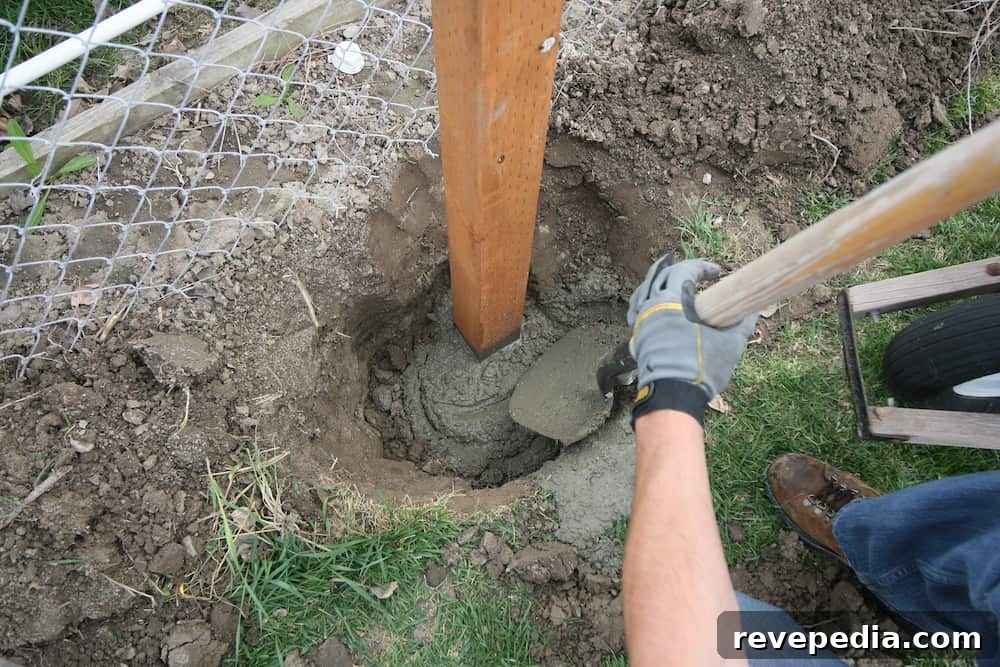
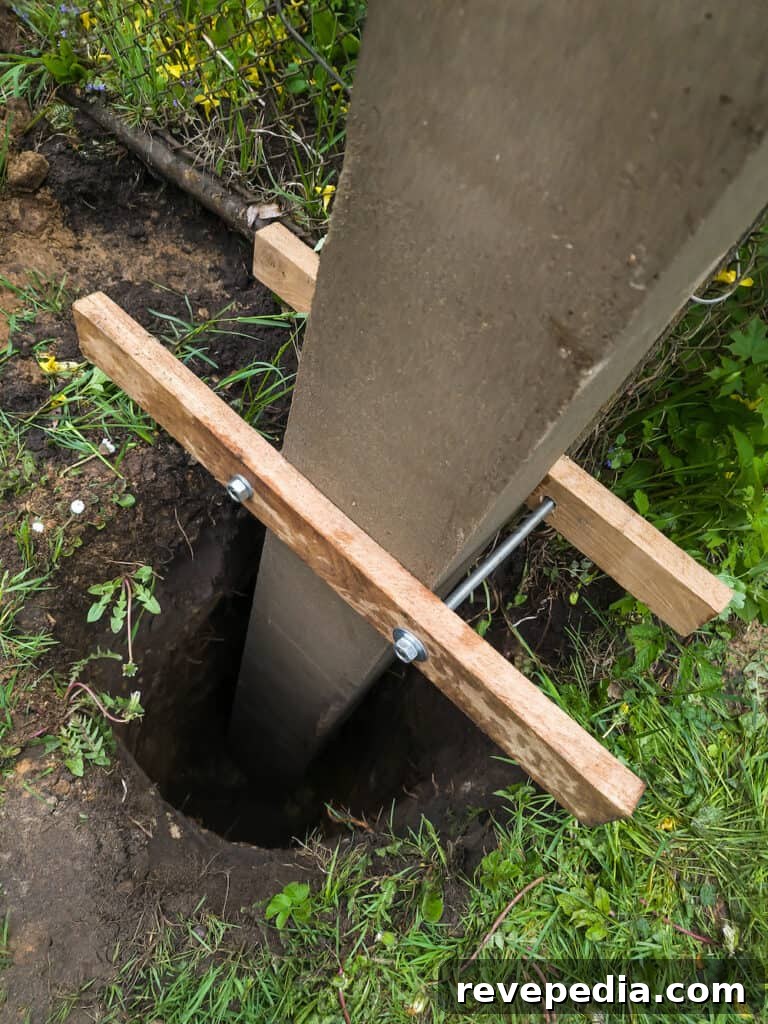
Placing posts and footings below the frost line prevents them from shifting when the soil freezes and thaws. This is crucial for structural integrity of decks, fences, and small buildings.
What Is Frost Heave?
Frost heave occurs when freezing pulls moisture into the soil and forms ice lenses, lifting the ground and anything embedded in it. As temperatures rise and ice melts, the ground settles again, causing movement that can damage posts, footings, sidewalks, and pipes. Installing footings below the frost line minimizes the risk of frost heave affecting your structure.
When to Build
If you live in a cold climate and your schedule allows, waiting until spring to dig and set footings is often easier. Thawed ground is simpler to excavate to the required depth. If you must work in frozen conditions, expect greater effort and consider renting an auger or using powered equipment.
Mark a measuring stick at the correct depth for your project and keep it on site to check hole depths consistently while you work.
Frost Line Map
The frost line map included gives a general overview of how frost depth varies across the country. If your location falls near a boundary between zones, adopt the deeper (colder) recommendation to be safe.
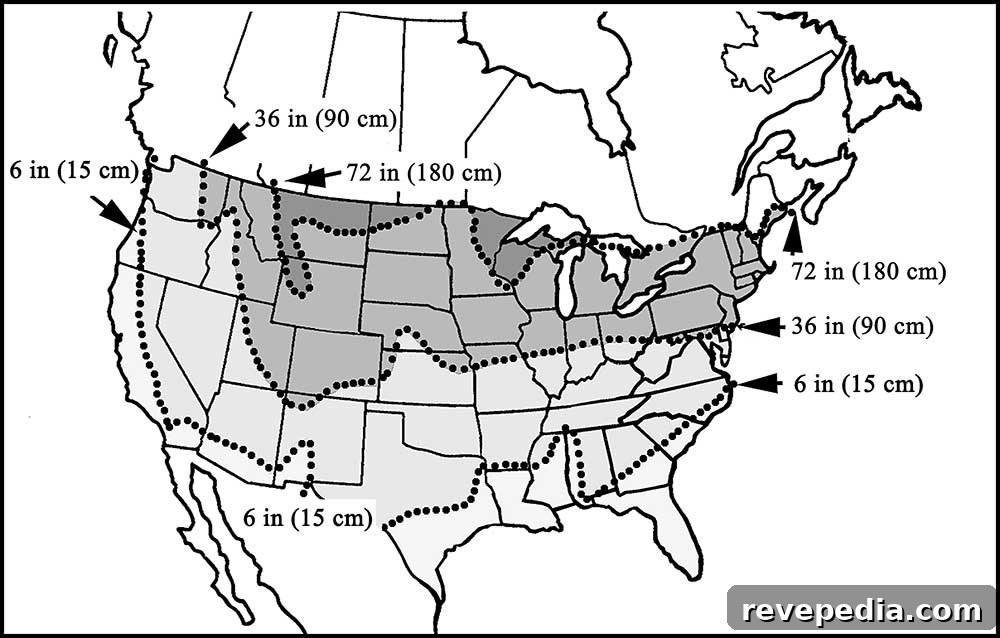
This map shows frost depth ranging from as little as 6 inches in the warmest areas to well over several feet in colder regions. In extreme northern locations, frost depth can reach significant depths—plan accordingly when designing foundations and installing utilities.
Frost Line by Zip Code
If a regional map isn’t precise enough, many national and local weather services offer frost-depth lookup tools by zip code or address. Use these resources and cross-check with local building officials to determine the correct footing depth for your exact location.
Always confirm site-specific requirements with local building codes before you dig. Building departments may have rules that exceed general guidance, and inspections are often required for footings and foundation work.

Tips for Digging
Knowing the frost line also helps you avoid damaging buried utilities. In milder climates where the ground rarely freezes, irrigation and sprinkler lines are often shallow, so take care when excavating.
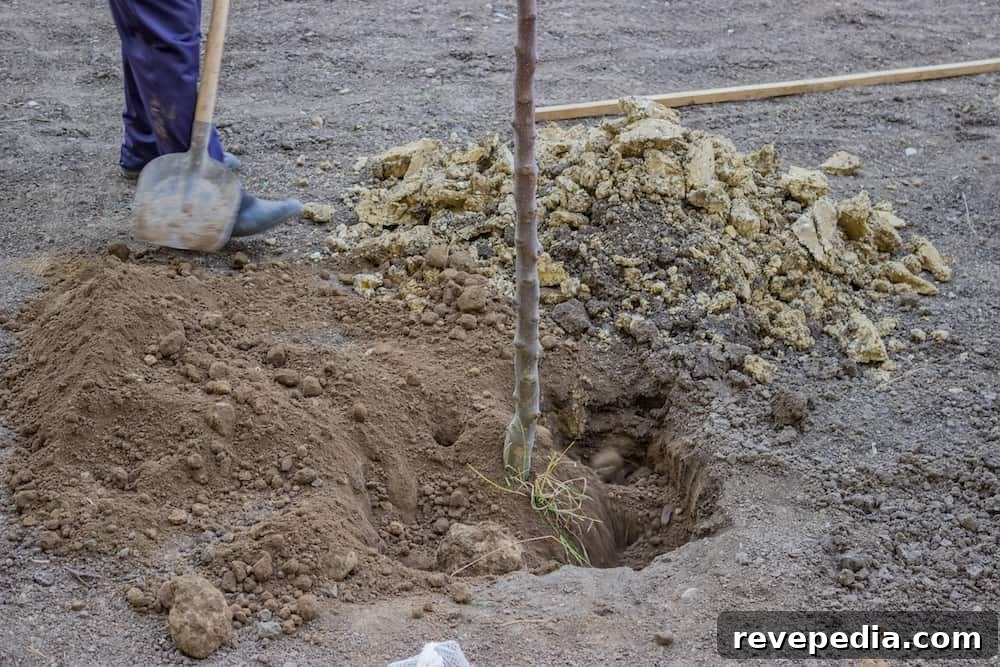
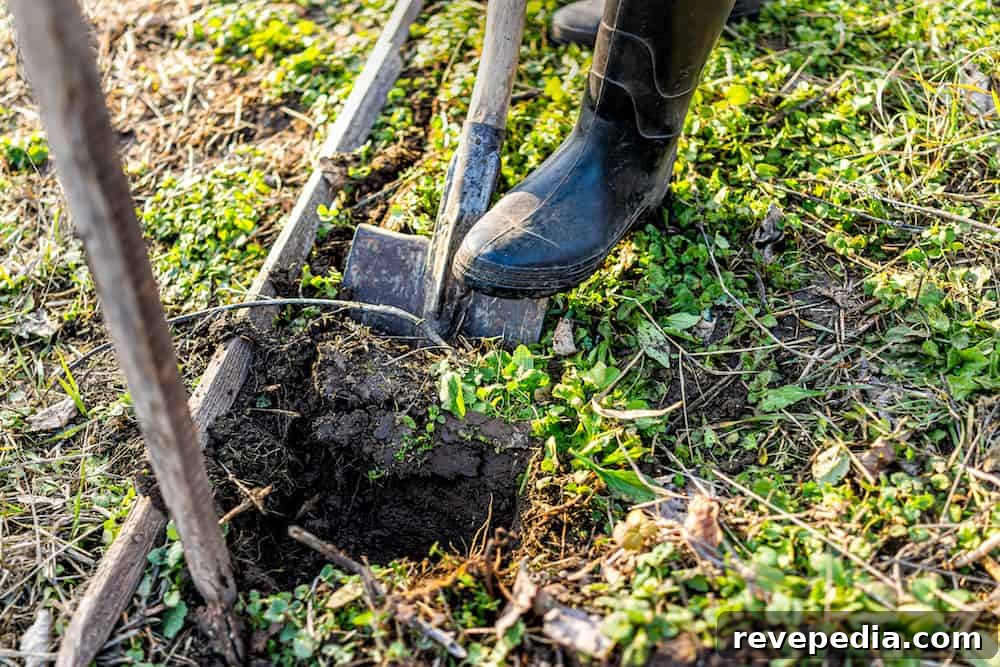
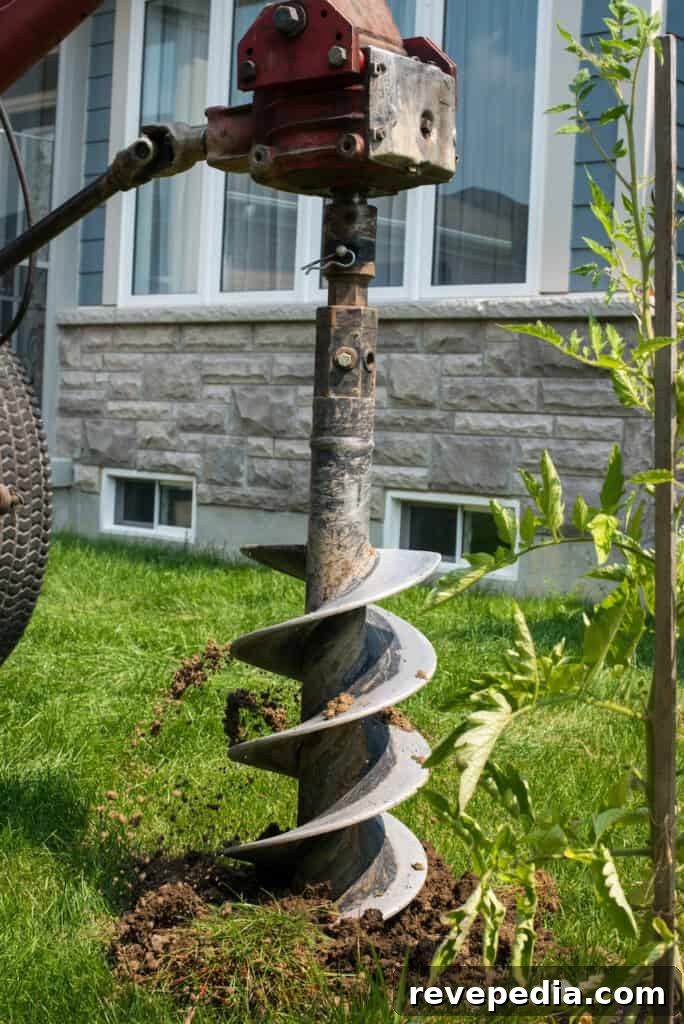
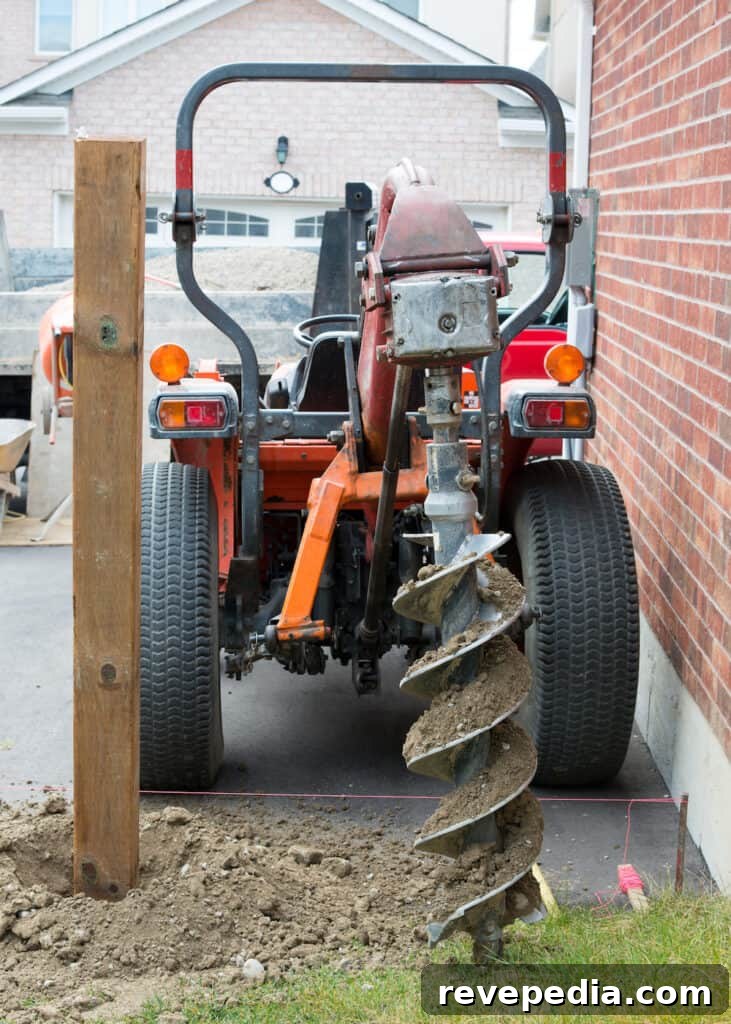
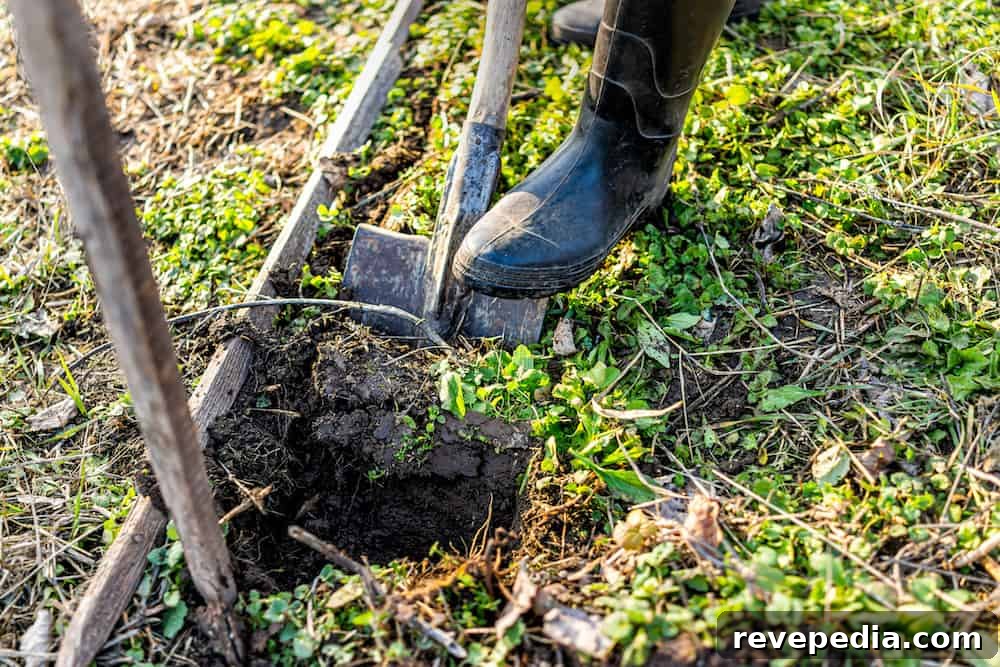
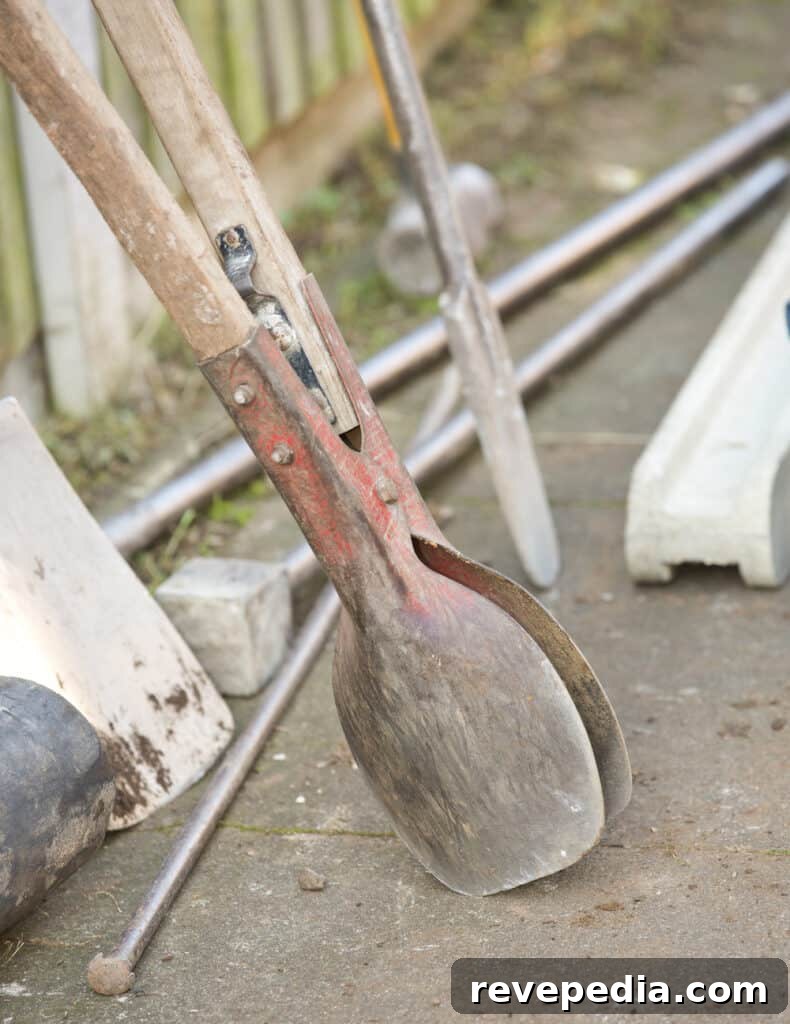
For most backyard projects, a shovel and a post-hole digger will suffice. In soils with large rocks or compacted layers, a long pry bar can help loosen material. Renting a handheld auger can significantly speed the job and reduce labor—useful for multiple holes or long fence runs. For large projects, a powered auger attached to a compact loader or tractor can drill consistent, deep holes quickly and accurately.
When planting trees or setting posts, schedule work for when the ground is thawed whenever possible. Thawed soil makes digging easier and helps ensure accurate, properly seated footings.