
Fireworks are a beloved part of many celebrations, delivering spectacular sights and sounds that delight crowds. Yet they carry real hazards when handled carelessly. Observing clear safety practices helps prevent injuries, property damage, and ruined festivities—allowing everyone to enjoy the show responsibly.
Use the following guidance to celebrate with fireworks while minimizing risks:
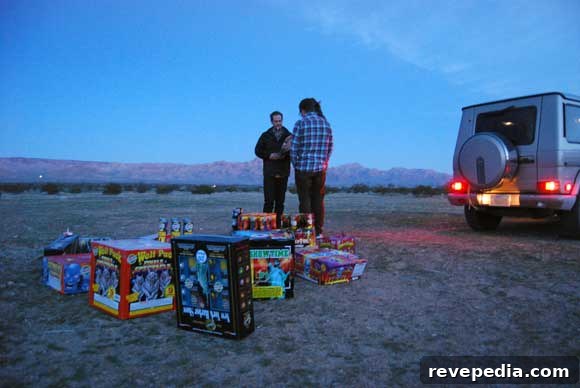
Staying Safe While Having Fun with Fireworks
Fireworks Are Unpredictable
Fireworks are manufactured to create dramatic effects, but their performance can vary. They contain combustible materials and sometimes malfunction. Always treat a firework as live after you ignite it. If a device fails to discharge, keep everyone back and wait at least 20 minutes before approaching. After that interval, soak it thoroughly in water before moving it. Fuses burn at different speeds, so don’t assume uniform behavior—some fuses can burn faster and cause unexpected detonations.
Never hold or throw lit fireworks. Common risky behaviors—such as lighting devices and hurling them—are a frequent cause of severe injuries. Prioritize safety over stunts or shortcuts.
Fire Is a Real Danger
Fire is one of the biggest threats when using fireworks. Always choose a large, open area clear of flammable materials—dry grass, brush, vehicles, buildings, and other structures. Prefer hard surfaces like concrete or asphalt when possible. If you must use fireworks near grass or vegetation, clear a substantial zone and have water or a fire extinguisher immediately available.
Inspect the launch area in daylight to spot hazards and plan safe spectator zones. Keep onlookers at a safe distance—generally 100 feet or more from the firing point depending on the size of the devices. Have a hose, buckets of water, or a portable extinguisher within reach to tackle accidental fires quickly.
Handling Projectiles Safely
Launching fireworks such as bottle rockets, whistlers, and roman candles requires a stable setup. Use a secure, level base—such as a metal tube firmly anchored in the ground—to guide projectiles. Never hold launching fireworks in your hand. Instead, light them using a long-reach lighter, lighting stick, or punk to keep a safe distance.
Clear the launch area of overhead obstructions like trees and power lines, and always fire projectiles vertically whenever possible to reduce the chance of errant flight paths. A well-anchored guide helps ensure predictable launches and fewer accidents.
Avoid Alcohol While Handling Fireworks
Operating fireworks demands steady hands and clear judgment—both of which are impaired by alcohol. Anyone responsible for lighting or supervising fireworks should remain sober. Save celebratory drinks until after the show, and designate a responsible adult to manage fireworks safely.
Staying sober improves your ability to supervise children, respond to unexpected situations, and follow safety procedures accurately.
Child Safety
Children and fireworks are a dangerous mix. Even seemingly benign items like sparklers burn extremely hot—often up to 2,000°F—and can cause serious burns. Children under 12 should not handle sparklers or any fireworks. Supervise older children closely and teach them about the risks and rules.
Offer safer alternatives for young children, such as glow sticks, bubbles, or confetti poppers, to keep them entertained without exposing them to burn hazards. Keep all children at a safe distance from ignition areas and ensure constant adult supervision during any fireworks activity.
General Safety Tips
- Maintain Distance: Stay well back from lit fireworks and follow the manufacturer’s safety distances. Never try to relight a dud—wait at least 20 minutes and then soak it in water before disposal.
- Protective Gear: Wear safety glasses and non-flammable clothing when handling fireworks. Long sleeves and pants made of natural fibers like cotton reduce burn risk.
- Dispose Safely: After use, thoroughly douse spent fireworks and debris with water before discarding. Place soaked remnants in a metal container away from buildings or combustible materials.
- Check Local Laws: Know and follow local regulations about fireworks. Some jurisdictions restrict the types, times, or locations for legal use. Compliance reduces legal risk and helps keep your display safe.
- Prepare for Emergencies: Keep a well-stocked first aid kit on hand and know basic burn first aid. Quick, appropriate care for minor injuries can prevent complications while you seek professional help if needed.
By treating fireworks with respect and following sensible precautions, you can enjoy bright, memorable celebrations without unnecessary risk. Keep the area clear, supervise children, stay sober while handling devices, and be ready to respond to emergencies. With careful preparation, fireworks remain a joyful way to mark special occasions.
Remember: safety is the priority. Celebrate responsibly, stay alert, and have a fun, safe event.