Sidewalks are simple, everyday features that serve many purposes: they offer safe routes for walking, running, biking, and playing, and they’re great for drawing with chalk or playing hopscotch. Over time, however, exposure to weather, tree roots, and regular use can cause sidewalks to crack and deteriorate. Once damaged, they’re not only unsightly but can also create tripping hazards that may lead to injury.
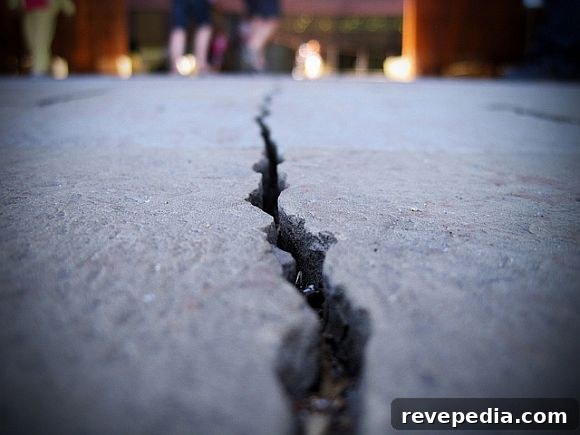
Fortunately, many sidewalk cracks can be repaired by a homeowner with a few basic tools and materials. The key to a durable repair is proper preparation and using the right products for the size of the crack.
Start by cleaning the crack thoroughly. Remove dirt, debris, and plant growth with a stiff-bristle brush, a small broom, or a pressure hose setting that creates a concentrated jet of water. Cleaning ensures the patch will bond to the existing concrete.
For hairline or minor cracks, a premixed concrete repair filler—sold in caulk-style tubes—is a convenient option. These fillers are formulated to adhere to concrete and resist weathering. For wider cracks, you’ll need to create a shape that helps the repair material stay in place. Many DIY sources recommend using a cold chisel and hammer to undercut the crack so the base is slightly wider than the surface, forming an inverted “V” or trapezoid. This profile helps prevent the patch from popping out and improves long-term adhesion.
Before applying the patching compound, coat the inside surfaces of the crack with a concrete bonding adhesive. This adhesive improves adhesion between old concrete and the new repair material. Pack the patching mixture firmly into the crack so there are no air pockets. You can use a commercial concrete patch product, or mix your own using Portland cement and water to achieve a workable consistency.
After filling, smooth the surface with a trowel or putty knife so it blends with the adjacent sidewalk. Let the patch set for a couple of hours, then lightly mist it with water and cover it with a plastic sheet. Maintain light moisture by dampening the patch once a day for about four days while keeping it covered. This curing process helps the new concrete gain strength and reduces the chance of shrinkage cracks.
Large or structural sidewalk damage, severe settling, or areas affected by significant tree root growth may require professional assessment and repair or complete slab replacement. Check local regulations before making major repairs: some municipalities handle sidewalk repairs or have specific requirements for sidewalk replacement and permits.
Have you repaired a sidewalk before? Share your experiences or tips to help others tackle similar projects.
Photo: Flickr.com/apasciuto