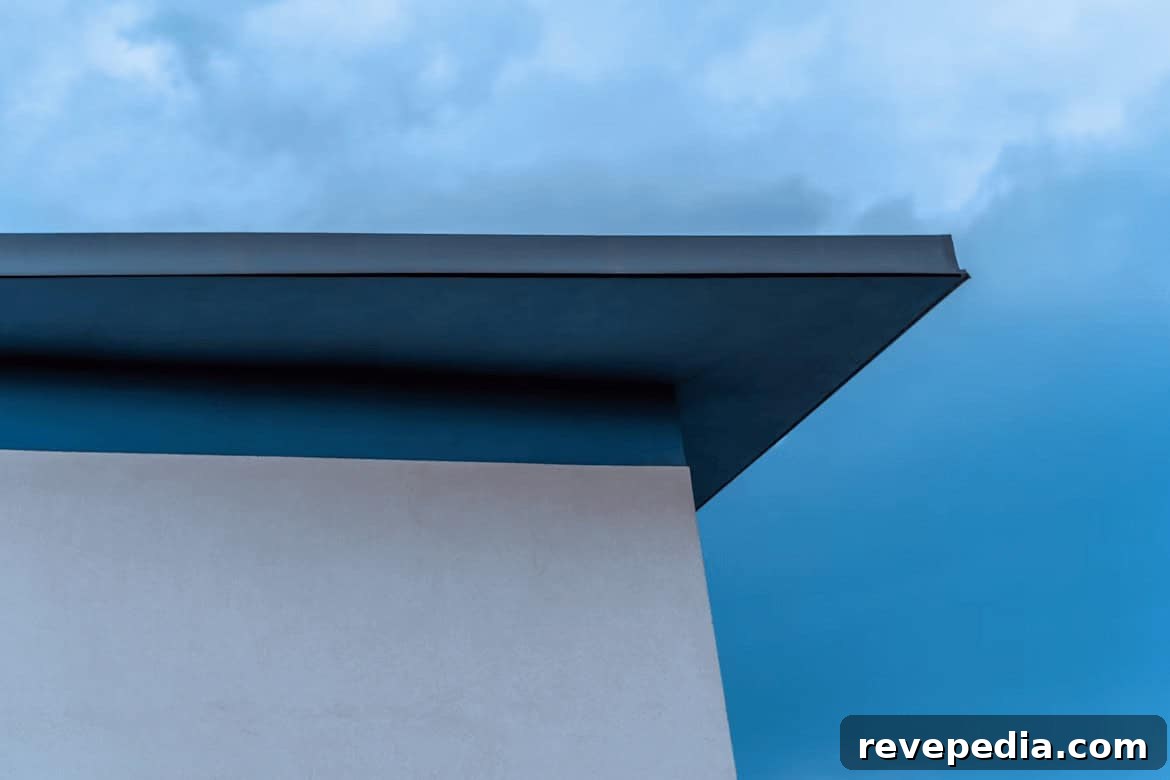
Flat roofs have long been associated with modern architecture, admired for their clean lines and minimalist aesthetic. Their role, however, has changed: no longer simply functional, flat roofs can now be stylish, useful extensions of a home that enhance both appearance and practicality.
This article outlines how homeowners and architects can balance form and function to transform flat roofs into vibrant, usable spaces. You’ll find the main benefits of flat roofs, practical design ideas to elevate their look, and the key challenges to address during planning and construction.
The Advantages of Flat Roofs
Before exploring design possibilities, it’s important to recognize the practical advantages that make flat roofs an appealing choice:
Cost-Effectiveness:
Flat roofs typically use fewer materials than pitched roofs and have simpler construction, often resulting in lower building costs and faster installation.
Space Efficiency:
The horizontal surface provides extra usable area—valuable in urban settings where every square foot counts. This space can be adapted for recreation, gardening, or utility systems.
Easy Access:
Maintenance and inspections are generally more straightforward on a flat surface, simplifying repair work and routine care.
Sustainable Solutions:
Flat roofs are well suited to green roofs, skylights, and solar panel installations, helping improve energy efficiency and reduce environmental impact.
Elevating Aesthetics: Design Considerations
Creating Outdoor Living Spaces
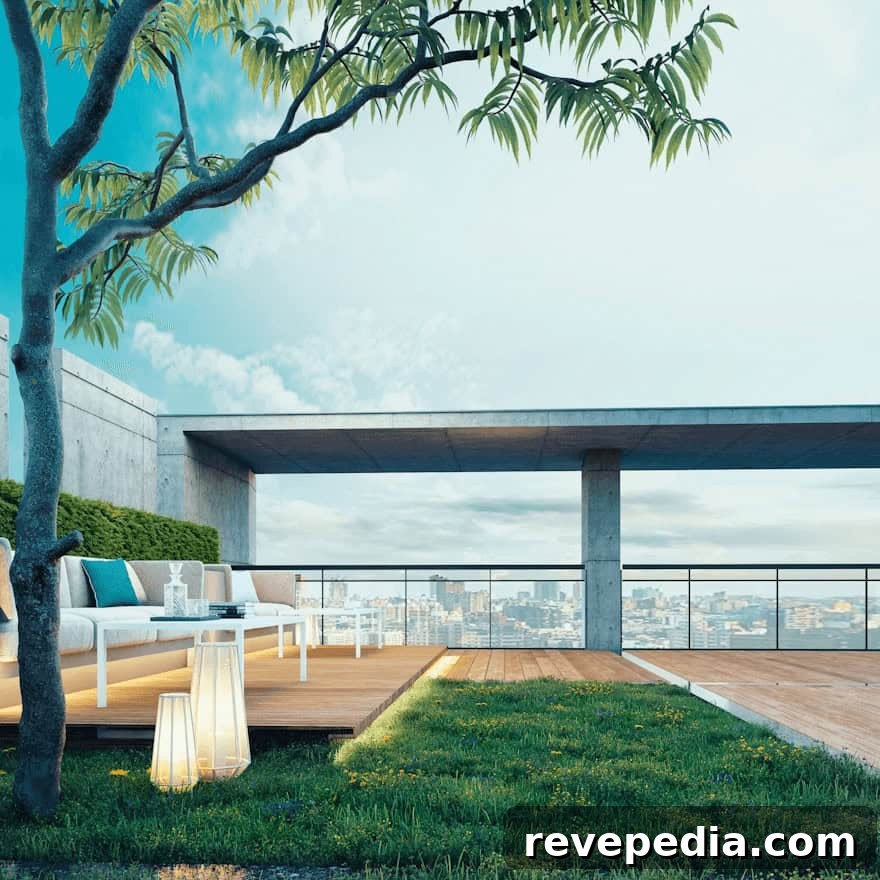
A flat roof can become a private terrace or extension of living space. By adding seating, planting, and practical amenities, an ordinary roof transforms into a comfortable outdoor room. Consider these ideas:
• Planters: Raised planters bring greenery and privacy, creating a natural refuge even in dense urban areas.
• Lighting: Thoughtfully integrated lighting extends usability into the evening and shapes the atmosphere for gatherings.
• Materials: Quality decking, composite boards, and decorative concrete, paired with refined railings, can harmonize with plantings and the sky to create a cohesive aesthetic.
Maximizing Views
Flat roofs offer exceptional opportunities to frame views. Position furniture and structures to open sightlines to cityscapes or natural panoramas. Transparent railings and large glazed openings from the upper floor help blur the boundary between interior and exterior, making views a focal point.
Incorporating Functional Elements
Good design balances beauty with utility. Integrate features that serve multiple purposes to increase value and efficiency:
• Rooftop Gardens: These add visual appeal while improving insulation, reducing heat gain, and absorbing rainwater.
• Solar Panels: Adding photovoltaic panels turns a flat roof into a renewable energy source, lowering operating costs and carbon footprint.
• Rainwater Harvesting Systems: Capturing and reusing rainwater for irrigation or landscaping reduces water use and supports sustainable maintenance.
The Challenges of Flat Roofs
Although flat roofs bring many benefits, they also present challenges that require careful planning and regular upkeep:
Drainage Issues
Flat roofs are rarely perfectly level; they usually include a slight slope to channel water. Poor design or blocked drains can lead to standing water, which damages roofing materials over time.
Solution: Implement a well-designed drainage system and perform routine maintenance—clearing debris from gutters and scuppers—to prevent pooling and prolong the roof’s lifespan.
Insulation and Energy Efficiency
Because flat roofs receive intense direct sunlight, inadequate insulation can lead to overheating and increased cooling costs.
Solution: Use reflective surface materials and high-performance insulation layers. A planted green roof is also effective at shading and insulating, improving comfort and energy performance.
Choosing the Right Roofing Material
Material selection affects durability, appearance, and maintenance. Common options include:
EPDM (Ethylene Propylene Diene Monomer):
EPDM is a resilient, weather-resistant rubber membrane favored for its longevity and low maintenance, especially in commercial applications.
TPO (Thermoplastic Olefin):
TPO membranes reflect sunlight and offer strong energy-performance benefits, helping to reduce cooling loads in warm climates.
Torch-On Felt:
Torch-applied felt is a traditional option that can be adapted to modern design needs, blending classic techniques with contemporary finishes.
Each material has trade-offs in cost, appearance, and maintenance requirements. Choosing the right roofing system depends on climate, intended use of the roof space, and budget.
Conclusion: Flat Roofs as Design Statements
Flat roofs have evolved from purely functional elements into versatile design features that add value, usability, and character to buildings. With thoughtful planning—attending to drainage, insulation, materials, and purpose—a flat roof can become a signature element of a home.
Whether you’re renovating or building new, consider the potential of a flat roof as an extension of living space, a sustainability asset, and a distinct architectural statement. When aesthetics and practicality are balanced, the result can be a durable, beautiful roof that enhances daily living and long-term value.