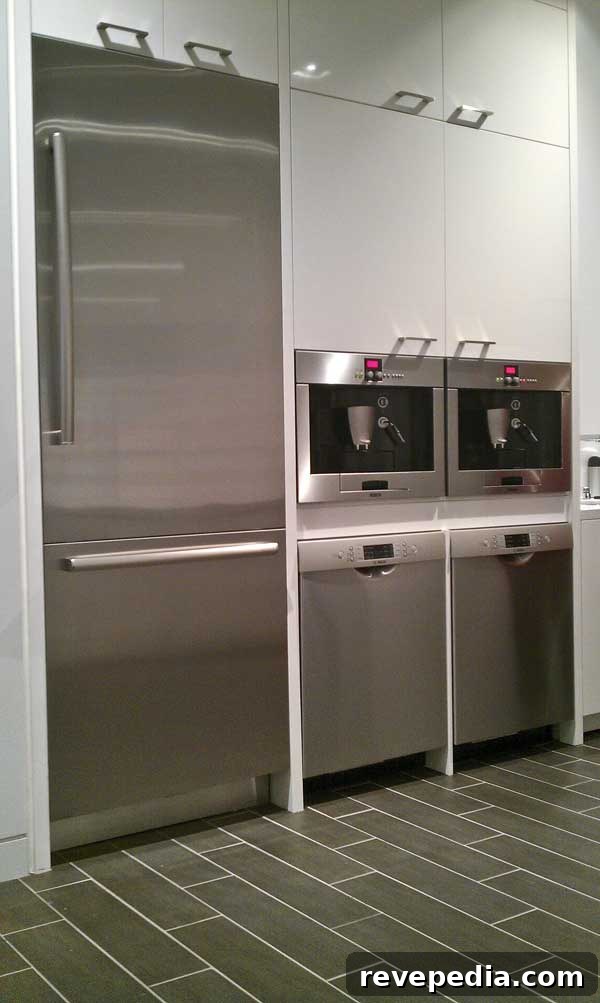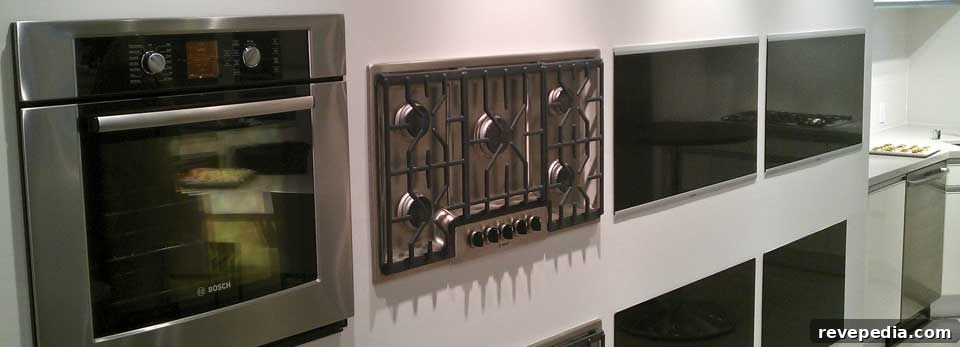
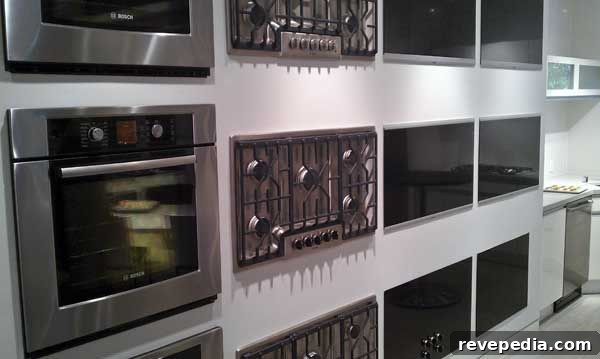
Over the summer I toured the brand-new shared showroom in Los Angeles for Bosch and BLANCO, two leading German-engineered kitchen and bath brands. A group of bloggers, designers, and architects gathered to learn about the latest universal design trends and to test the products firsthand — with a few deliberate constraints to simulate real-life needs.
Universal design focuses on creating spaces that can be used comfortably across a lifetime—from early adulthood through later years—by addressing changes in mobility, vision, strength, and other sensory abilities. At Bosch and BLANCO, the team expanded that idea to include all life stages and unexpected circumstances between those bookends: injuries, pregnancy, raising a child with special needs, and multi-generational living. Their goal was to deliver solutions that meet diverse needs while preserving timeless style, reliable performance, and sustainable practices.
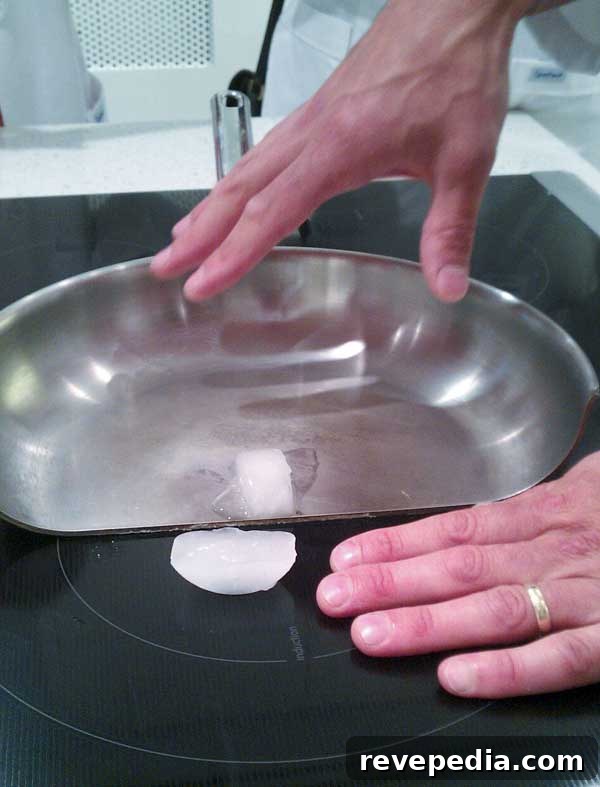
Engineers, product managers, and researchers asked us to use the newest Bosch and BLANCO products under simulated constraints. We tested with vision-impairment goggles, a weighted faux pregnancy belly, and other tools designed to reveal everyday accessibility challenges. The hands-on exercises made it clear how design details can dramatically change usability for people at different stages of life.
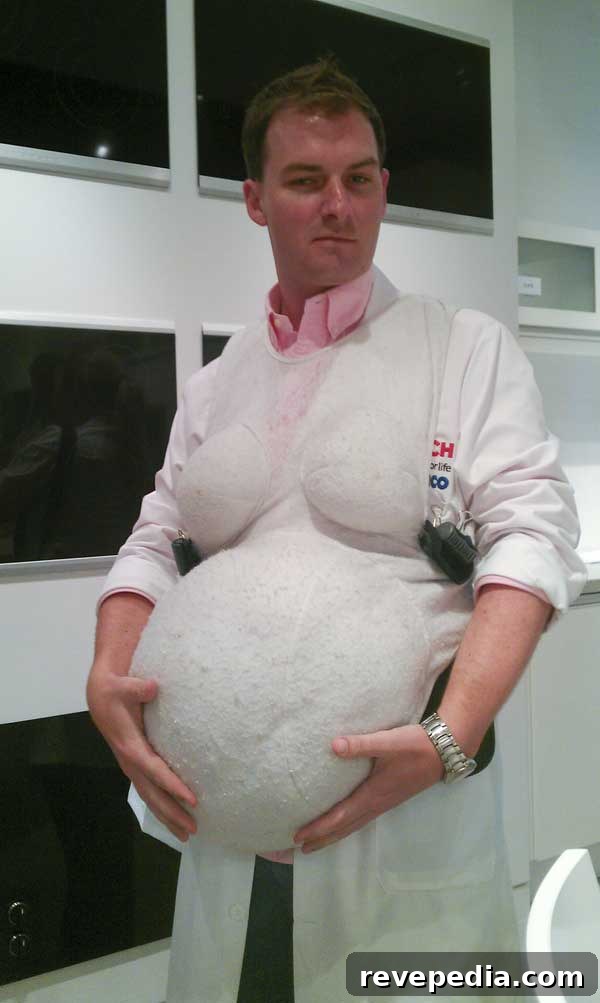
Having been recently pregnant myself, I quickly remembered how tasks that once felt simple—loading a dishwasher or transferring laundry—become more difficult in the third trimester. (Admittedly, the dishwasher exercise also revealed that I’ve forgotten how to load one correctly, since I don’t own a dishwasher.) Those small, everyday tasks are exactly where thoughtful design can make a big difference.
As a parent of a child with special needs, I also noticed numerous thoughtful accommodations throughout the showroom. Safety features on induction cooktops that remain cool to the touch, programmable signals and lights that can be adjusted to avoid triggering sensory processing issues, and other subtle options demonstrate a deep commitment to accessibility. These details show that universal design isn’t an afterthought but a guiding principle in product development.
I was impressed by Bosch and BLANCO’s forward thinking about universal kitchen and bath design. Their approach balances aesthetics, function, and inclusivity while considering real household scenarios. The showroom provided an excellent opportunity to learn about the direction of residential design and to contribute feedback not only as a design professional but also as a parent, spouse, pet owner, and homeowner.
Thanks to Bosch and BLANCO for the invitation. I look forward to seeing how they continue to advance universal design in the years ahead.
by Tabatha Muntzinger