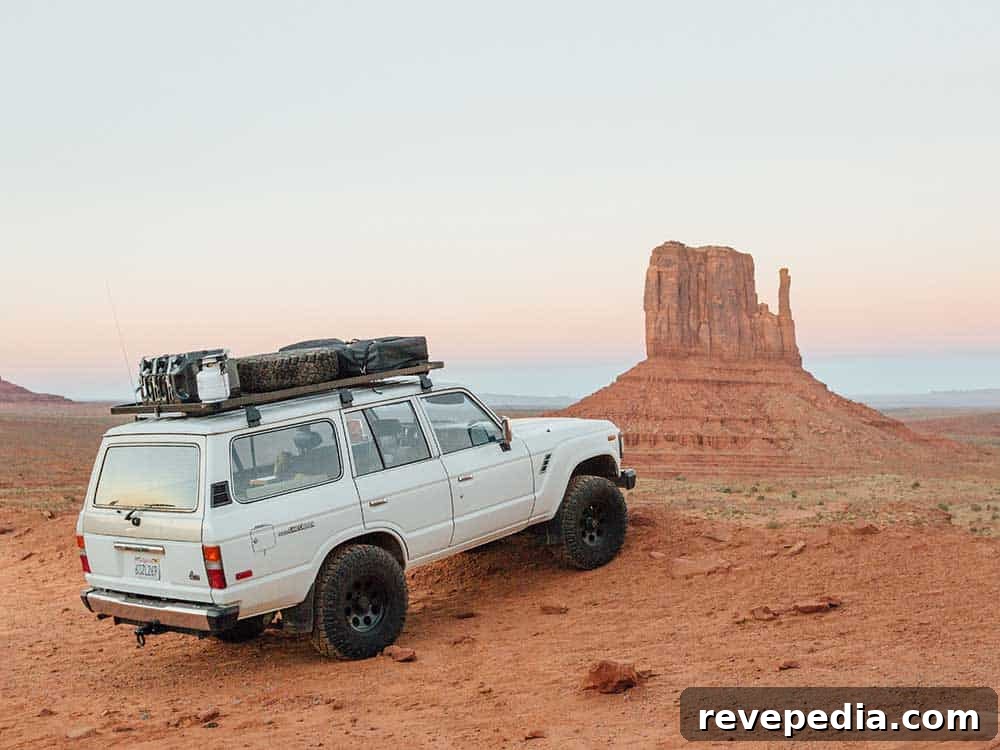
Our friends at Front Runner Outfitters have provided this practical Roof Rack Buyer’s Guide, offering professional tips on what to look for when choosing a roof rack. These racks are not lightweight bike carriers but expedition-grade systems built to outlast your vehicle. We’ve been using the Slimline II roof rack from Front Runner and are extremely satisfied with its performance and appearance. If you spend time outdoors, it’s worth considering a Front Runner rack for its durability and versatility.
With spring here and summer approaching, calendars begin to fill with weekend camping trips and long-awaited adventures. Vehicle-based travel—from overland expeditions to day trips—continues to grow in popularity.
When your vehicle is full of people, you often need more space for luggage, camping gear, and outdoor toys like bikes, kayaks, or surfboards. A roof rack moves bulky items off the interior and safely secures them above, freeing up inside space for passengers and comfort.
The roof rack specialists at Front Runner Outfitters, a company known for rugged, expedition-ready gear tested in harsh environments, have summarized the top ten factors to prioritize when buying a rack for your vehicle.
Lightweight
Strength is important, but excessive weight is not. Many racks use heavy materials like steel, which add unnecessary mass. A well-engineered all-aluminum rack can be significantly lighter—often around 30% less than steel—while providing excellent strength and load capacity. Lighter racks reduce total vehicle weight and make installation and transfer between vehicles easier.
Modular
Choose a modular rack that allows simple assembly and flexible configuration. Modular systems let you add or remove slats and accessories to build a platform, replace damaged pieces, or adapt the rack to different uses. This adaptability means the rack can evolve with your needs, whether carrying cargo boxes, tents, or adventure equipment.
Accessory Compatibility
The most useful rack is one you’ll actually use for many purposes. A wide range of compatible accessories increases what you can carry: mounts for water and fuel cans, rooftop tents, bike racks, ski carriers, surfboard or kayak mounts, axes, and more. Because manufacturers sometimes limit cross-compatibility, consider a rack brand that offers its own comprehensive accessory line so you can mix and match without compatibility headaches.
Toughness
Rack failure can ruin a trip. Prioritize manufacturers who specialize in off-road gear proven under demanding conditions. If equipment stands up to harsh environments—like long-term use in remote areas—it will be more than capable for everyday camping or coastal trips. A rugged rack lets you explore gravel roads and fire trails with confidence instead of restricting your adventures to paved routes.
Low Profile
Roof equipment affects wind noise and fuel economy. A low-profile rack reduces aerodynamic drag compared with tall, basket-style racks, cutting down noise and improving mileage. Low-profile designs also make loading easier, simplify access to parking garages and drive-throughs, and generally offer a cleaner look.
Reliable Customer Support
Avoid fly-by-night brands that may disappear after a sale. Choose companies with an established track record that offer real customer support via phone, email, or chat. Good customer service matters for fitment questions, warranty claims, or ordering replacement parts when you need them.
Peer-Proven Options
Look at what experienced adventurers and professional photographers use—people who rely on their gear in extreme conditions. If seasoned explorers trust a particular rack, that’s a strong indicator of its real-world performance and reliability. Learning from those who test gear regularly reduces the guesswork when selecting a system.
Variety and Fitment
Pick a manufacturer that offers racks and accessories for a broad range of vehicles. More models and options mean a better chance of finding an ideal fit for your vehicle and use case. A company with wide coverage is also more likely to offer tailored solutions and experienced advice for your specific setup.
All-Metal Construction
Limit plastic components in both the rack and accessories. Plastic parts can become brittle, have lower load ratings, fade in sunlight, and are more prone to breakage. While plastic lowers cost, it increases long-term risk. Durable metal construction provides better longevity, higher load capacity, and more reliable performance.
Availability and Shipping
Trip planning is stressful enough—don’t add delays from backordered racks. Verify that the company keeps inventory in stock and can ship within days, not weeks or months, so your gear arrives in time for your next trip.
Choosing a quality roof rack is a long-term investment. A well-built rack can last for many years and even move between vehicles as your needs change. Select a durable, modular, and well-supported system that grows with your family and your adventures—so you can focus on the trip, not the gear.