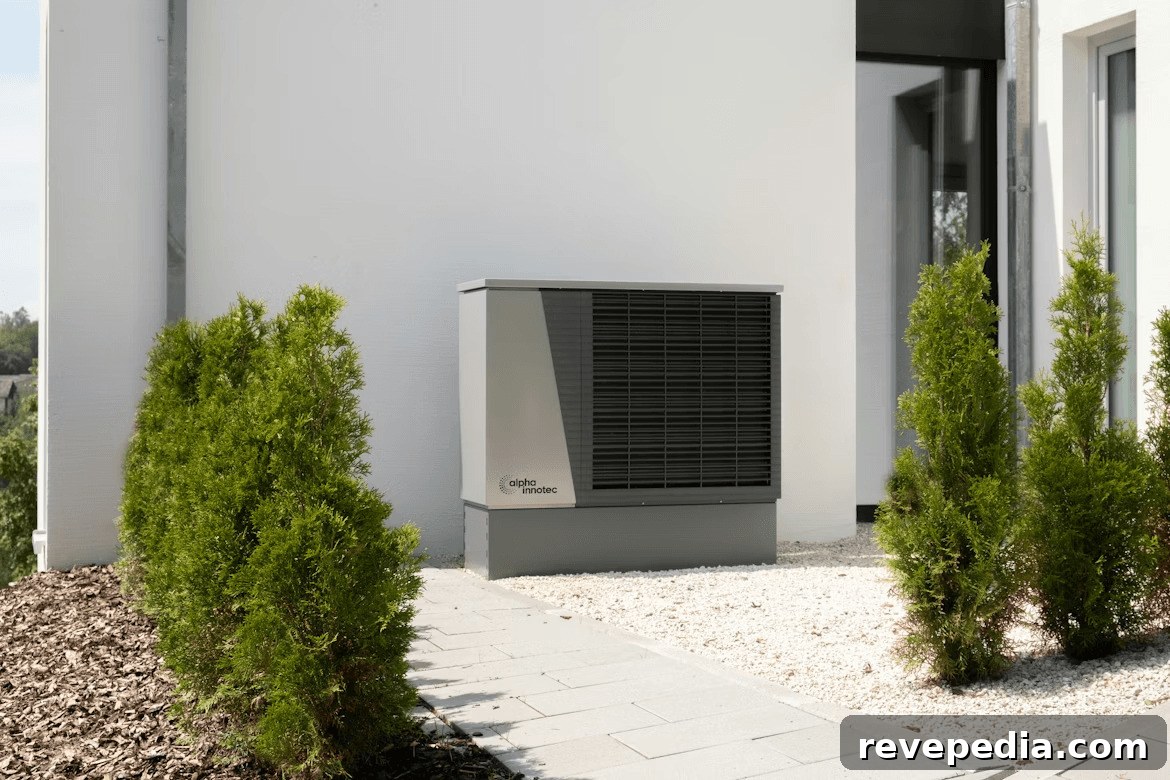
Heat pumps have moved from a niche choice to a mainstream HVAC option as homeowners seek a single system that provides both heating and cooling. Driven by stronger federal incentives, better cold-climate performance, and rising energy costs, 2026 is shaping up to be an excellent year to consider upgrading to a heat pump.
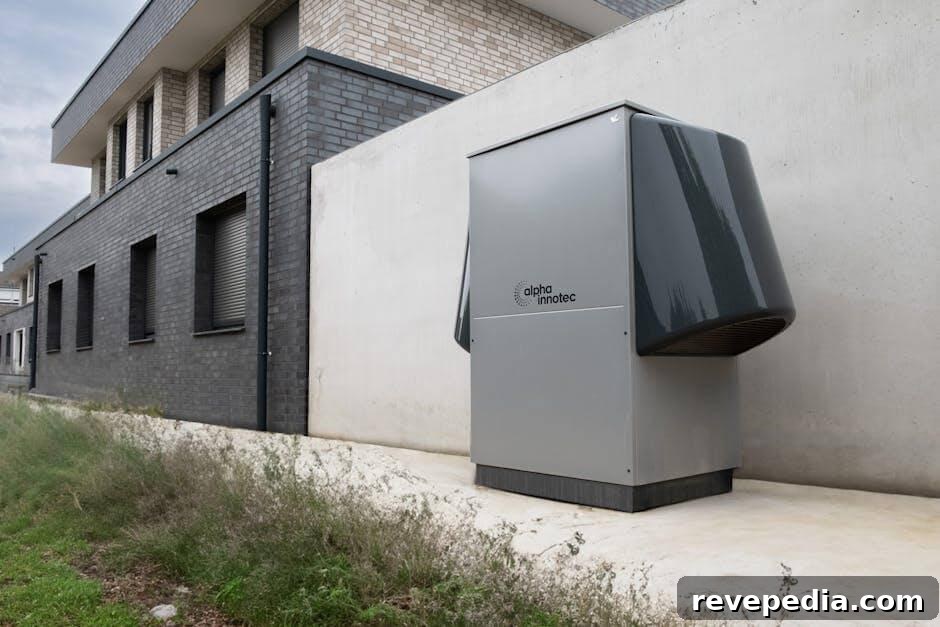
Installers working in regions with genuinely cold winters report that modern heat pumps reliably operate in conditions that troubled earlier models. Success depends on selecting the right system and an experienced installer—those choices separate effective, efficient systems from frustrating outcomes.
How Modern Heat Pumps Work
Rather than creating heat, a heat pump moves it. In winter the unit extracts heat from outdoor air, concentrates it, and delivers it indoors. In summer the cycle reverses to remove heat from inside and reject it outdoors. One system handles both heating and cooling.
This approach is far more efficient than burning fuel or using electric resistance heat. According to the U.S. Department of Energy, modern heat pumps can deliver three to five units of heat energy for every unit of electricity consumed, compared with the one-to-one output of electric baseboard heaters.
Key technological advances have made heat pumps more practical in a wider range of climates. Cold-climate models now maintain efficient operation at temperatures well below freezing. Variable-speed compressors modulate output continuously, reducing on-off cycling that previously limited comfort and efficiency. Improvements in refrigerants have lowered environmental impact compared with older formulations.
What to Evaluate Before Committing
Installing a heat pump is a significant decision. Several considerations will determine whether a heat pump is the right choice for your home:
- Existing system age. If your furnace is over 12 years old or your air conditioner is older than 10 years, replacement is likely due soon. Switching to a single heat pump system can simplify the transition.
- Home insulation and air sealing. Heat pumps perform best in well-insulated, tightly sealed homes. Addressing major air leaks and upgrading insulation before or during installation will improve comfort and efficiency.
- Local climate. Heat pumps are effective across most North American climates. In very cold areas, homeowners often include a small electric or gas auxiliary heat source for the coldest days.
- Electrical service capacity. Heat pumps require electricity. Older homes may need an electrical panel or service upgrade, which affects the overall project cost.
- Available incentives. Federal, provincial or state, and utility rebates can reduce installed cost by thousands of dollars. A knowledgeable installer will be familiar with current programmes in your area.
- Long-term cost analysis. Evaluate operating costs over 10 to 15 years rather than focusing only on upfront expense. In many cases, heat pumps recoup their higher initial cost within five to eight years through lower energy bills.
A reputable contractor will review these factors during the site assessment before providing a detailed quote.
Installation Costs: What to Expect
Installed cost varies by system size, home layout, and local labor rates. Typical residential heat pump projects range from $8,000 to $20,000 USD before rebates, with most whole-home ducted systems falling between $12,000 and $16,000.
Government and utility rebate programmes can significantly lower net cost. In Canada and the U.S., qualifying equipment may qualify for federal and regional incentives that cut several thousand dollars from the invoice. Utilities sometimes offer additional rebates that further reduce out-of-pocket expense.
The long-term savings are where heat pumps provide the greatest value. Households replacing electric resistance heat or older gas furnaces commonly save $500 to $2,000 per year on energy bills, depending on local energy prices, climate, and home size. Over the lifetime of the equipment, these savings often exceed the initial price premium.
Choosing a Qualified Installer
Installer quality often matters more than brand choice. The best equipment installed poorly will underperform, while average equipment installed correctly can deliver excellent results. Key attributes to look for in an installer include:
- Manufacturer training. Authorized dealers receive factory training and access to warranty support and technical resources that independent installers may not have.
- Local experience. Contractors who regularly install heat pumps in your region understand local code, climate challenges, and which systems perform reliably in nearby conditions.
- Proper sizing. The installer should perform a Manual J load calculation to size the system for your home, rather than relying on rules of thumb that can lead to oversized equipment.
- Clear written documentation. Quotes should list the exact equipment make and model, refrigerant type, full scope of work, and warranty terms so you know what you’re buying.
- Service and support. A heat pump is typically a 15-year relationship. Confirm the company offers ongoing maintenance, warranty service, and after-hours support if needed.
Skipping the assessment or accepting quotes without a proper load calculation often results in oversized systems that cycle inefficiently, reduce humidity control, and increase wear.
Heat Pump Decision Checklist
- Modern heat pumps can deliver three to five units of heat for every unit of electricity consumed.
- Cold-climate models maintain efficient operation well below freezing.
- Installed costs typically range from $8,000 to $20,000 before incentives.
- Federal and utility incentives frequently reduce net cost by several thousand dollars.
- Typical annual operating savings vary from $500 to $2,000 depending on the replaced system and local energy prices.
- Installer quality usually has a greater impact on performance than equipment brand.
A Long-Term Investment That Pays Back
Heat pumps reward homeowners who plan carefully, select a qualified contractor, and treat the purchase as a long-term investment rather than an emergency fix. With falling equipment prices, improved cold-weather performance, and robust rebate programmes, 2026 looks like one of the most compelling years yet to consider making the switch.
FAQ
Will a heat pump work in cold winter climates?
Yes. Modern cold-climate heat pumps maintain efficient operation at temperatures well below freezing. Many systems still include a small backup heat source for the coldest days to ensure comfort and reliability.
How long does a heat pump installation take?
A standard ducted heat pump replacement typically takes one to two days. Ductless mini-split installs can often be completed in a single day. New construction installations are scheduled as part of the overall building timeline.
How long do heat pumps last?
With proper installation and maintenance, heat pumps generally last 15 to 20 years. Annual professional maintenance and regular filter changes extend equipment life and maintain efficiency.
Are heat pumps expensive to repair?
Repair costs are comparable to other HVAC equipment. Variable-speed components and modern electronic controls can be more costly to replace than older mechanical parts, but overall reliability has improved with newer systems.