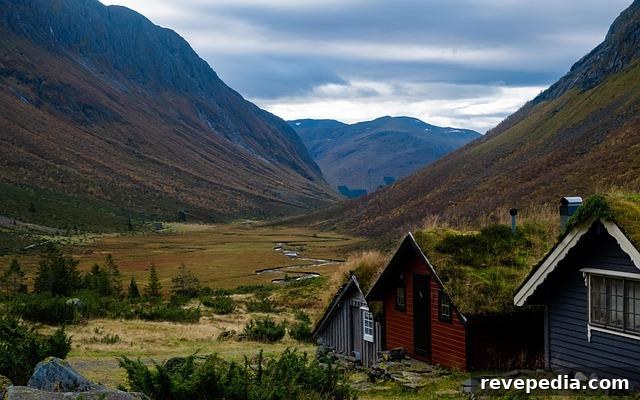
Heating a cabin without electricity requires planning, safety, and attention to conserving the heat you generate. The two core tasks are producing heat reliably and keeping that heat inside when the grid is down. The right solution depends on cabin size, climate, frequency of use, available fuels, and whether you want a portable or permanent system.
This guide outlines the most practical off-grid heating options and safety practices so homeowners can prepare a reliable, winter-ready cabin.
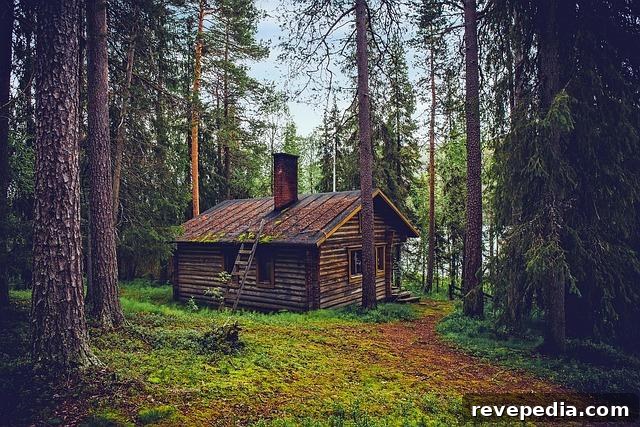
Start by Reducing Heat Loss
Before selecting a heater, focus on reducing heat loss. A poorly sealed cabin wastes fuel and stays cold no matter the heat source. Improving the building envelope and sealing drafts makes any heating approach far more efficient.
Begin with weatherproofing: install thick weatherstripping around doors and windows, use insulated curtains on large panes, and add door sweeps to block drafts under doors. Cover cold subfloors with area rugs to reduce heat loss through the floor.
Check insulation levels in walls, roof, and floors; look for frost lines or cold spots that reveal thermal bridging where heat is escaping. In larger cabins, closing off unused rooms reduces the heated volume and conserves fuel. Minimizing air bypasses and heat leaks will keep interior temperatures higher and lower ongoing fuel consumption.
Wood Stoves for Long-Term Off-Grid Heat
Wood stoves remain one of the most dependable choices for off-grid cabins, especially in cold regions and for extended stays. They operate without grid power and, when fed with locally sourced timber, offer a sustainable long-term solution.
For best performance, burn only dry, well-seasoned firewood. Wet or unseasoned wood wastes energy as moisture evaporates, reduces heat output, and increases creosote buildup in the chimney.
Wood stoves demand hands-on maintenance and safe clearances from walls, furniture, and combustibles. Many hazards originate with chimneys, flues, and creosote, so professional installation, routine inspections, and frequent chimney cleaning are essential. Always have working smoke and carbon monoxide alarms and follow manufacturer clearance guidelines.
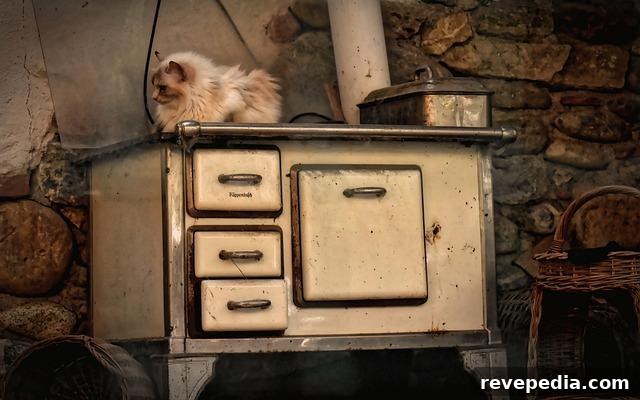
Indoor-Rated Propane Heaters for Fast, Reliable Heat
Indoor-rated propane heaters are a practical option for weekend cabins or shoulder seasons when you need quick warmth and wood isn’t available. Choose only models specifically labeled for indoor use and follow the manufacturer’s ventilation and clearance requirements.
Safety is critical: use units with oxygen depletion sensors when available, but do not rely on them instead of a properly functioning carbon monoxide alarm. Store propane safely, keep heaters away from combustibles, and never use outdoor-only propane equipment inside.
Direct-Vent Gas Heating for Permanent Installations
Direct-vent gas heaters are a strong choice for cottages, workshops, or small cabins used regularly. These systems draw combustion air from outside and vent exhaust outdoors, enabling safer continuous operation without relying on interior air for combustion.
Some direct-vent units can operate without standard household electricity, but capabilities vary by model—confirm specifications before relying on them during outages. Because installation and venting requirements are strict, professional installation is usually required. Local codes often mandate licensed trades for fuel lines and venting work. When installed correctly, direct-vent systems provide consistent, low-maintenance off-grid heat.
Kerosene and Diesel Heaters: Use with Caution
Kerosene and diesel heaters can be alternatives for off-grid heating, but they demand careful handling and strict adherence to safety guidance. Diesel units often need backup 12V or 24V power for fans or controls, so they may not be entirely grid-independent.
Only use indoor-rated models and the fuel grade specified by the manufacturer—typically 1-K kerosene for kerosene heaters—to minimize odor, smoke, and harmful emissions. If you detect strong odors or excessive fumes, shut the unit down immediately. Store fuel safely and outside the living space, and always follow ventilation instructions, which commonly require a consistent supply of fresh outside air.
Never use outdoor-only fuel-burning equipment inside a cabin.
Add Passive Solar Heat Wherever Practical
Passive solar heating is an excellent supplemental strategy to reduce fuel consumption. While rarely sufficient alone in cold climates, properly oriented windows and thermal mass can meaningfully extend time between heating cycles.
Maximize south-facing glazing, keep windows clean for maximum solar gain, and open curtains during sunny hours to admit heat, then close them at night to retain warmth. Interior thermal mass—such as masonry, stone floors, or heavy furniture—absorbs heat during the day and slowly releases it overnight.
Where feasible, consider simple passive solar air heaters that move warmed air inside without needing electricity, which can meaningfully boost interior comfort alongside your primary heat source.
Retaining Heat Overnight
Keeping a cabin warm through the night is often the biggest challenge without electricity. The focus should be on safely storing heat rather than running unsafe, unattended equipment.
Never leave propane or portable space heaters running while sleeping. Preheat the cabin before bedtime, then turn portable units off and rely on thermal mass and insulation to hold warmth.
Seal heat in by closing off unused rooms, drawing heavy curtains, piling on layered bedding, and covering floors with rugs. Use built-in thermal mass such as masonry walls or a heavy cook stove to store heat. Keep carbon monoxide and smoke detectors functioning through the night.
Safety Rules for Heating a Cabin Without Electricity
Any fuel-burning heater poses risks if misused. Strict safety practices are essential for enclosed spaces.
Install battery-operated smoke alarms in each bedroom and carbon monoxide detectors outside sleeping areas. Place fire extinguishers in accessible locations. Maintain ventilation appropriate to the heating system and use only equipment rated for indoor operation.
Follow the “Three-Foot Rule”: keep heaters at least 36 inches from curtains, bedding, furniture, and combustible walls. Store fuels outdoors and according to local codes—remember propane vapour is heavier than air and can pool in low spots. Clean chimneys and vents regularly and have permanent systems inspected by a professional. Never use portable grills, camp stoves, or outdoor-only appliances indoors.
Choosing the Best Heating Method for Your Cabin
Select a heating strategy that aligns with your cabin’s size, how you use it, and available fuel sources. Common recommendations include:
- Best for weekend use: a properly ventilated, indoor-rated propane heater.
- Best for long winter stays: a robust wood stove or a direct-vent gas heater.
- Best backup: a reliable propane heater for sudden cold snaps.
- Best low-cost upgrade: thorough air-sealing and improved insulation.
- Best supplemental option: targeted passive solar heating.
- Best for remote wood-access cabins: a durable wood stove independent of the grid.
- Best for very small cabins: a compact, indoor-rated space heater with redundant safety measures.
Many experienced cabin owners combine multiple approaches: improved insulation as the foundation, a primary wood stove for sustained heat, and a portable propane unit as backup for rapid warming.
Final Tips for Staying Warm Off-Grid
The most resilient off-grid heating strategy balances reliable heat production, effective heat retention, and uncompromising safety. Wood, propane, direct-vent gas, kerosene, diesel, and passive solar each have appropriate uses depending on location and lifestyle. Always choose indoor-rated, properly ventilated equipment, follow manufacturer and local code guidance, and prioritize detector maintenance and fuel storage safety to keep your cabin warm and safe during power outages.