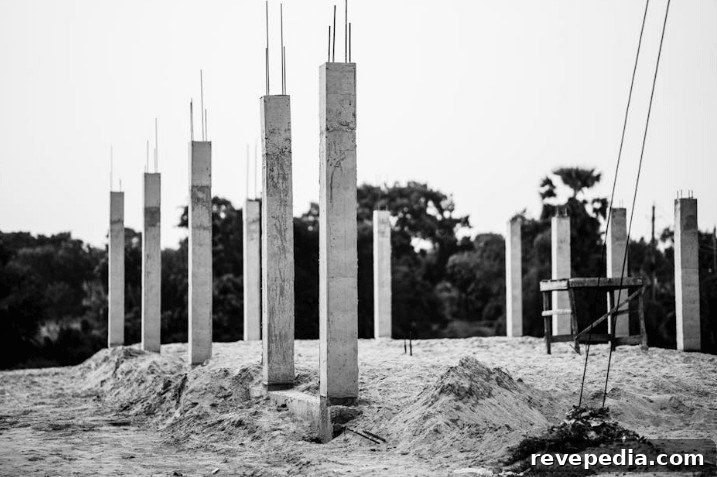
For generations, building a foundation meant digging, pouring concrete, and waiting days for it to cure. Helical piles rewrite that process. These steel shafts, fitted with one or more screw-like plates, are rotated into the ground in minutes and provide an immediately usable footing.
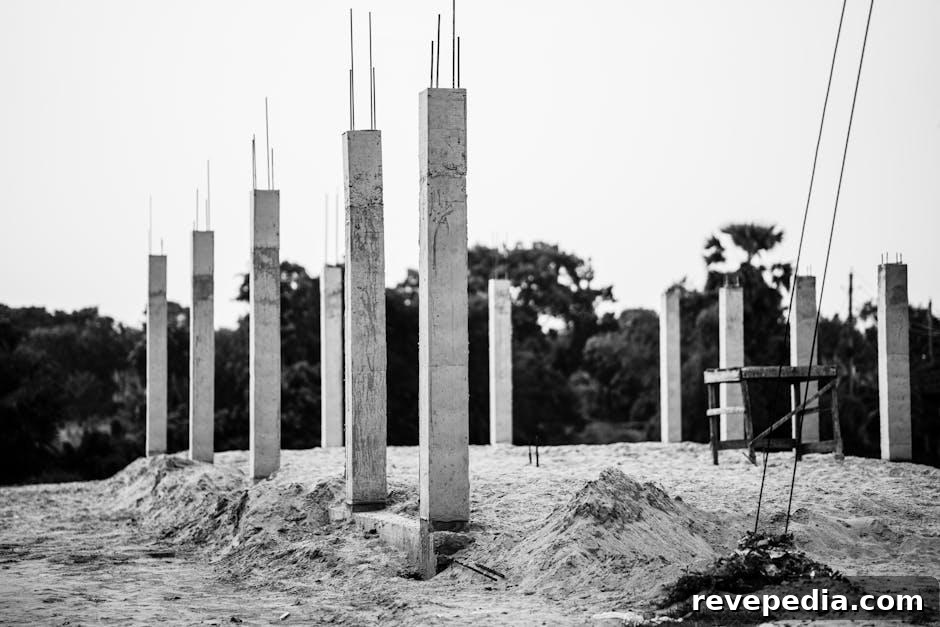
Photo by Roktim | রক্তিম 🇧🇩 on Pexels
The technique has quietly become the preferred choice for decks, additions, and outbuildings. Modern equipment, like the Helical pile machine produced by New York manufacturer Iron Mechanics, makes installation fast, controlled, and repeatable. This article explains how helical piles work, their benefits, and when they make sense.
What Are Helical Piles?
Helical piles are deep foundation elements that are literally screwed into the earth. Imagine a large steel screw: a central shaft carries one or more helical plates. As the shaft turns, those plates pull the pile downward until it reaches stable, load-bearing soil beneath the frost line.
When the pile reaches the required depth and torque, it provides a firm footing without any concrete. A bracket welded or bolted to the top accepts the structure’s connector so the building can be attached immediately.
The main advantages are speed and certainty. Because there’s no excavation and installation torque is monitored, crews can verify that a pile has achieved its rated capacity on the spot. That removes much of the guesswork and eliminates curing delays.
Helical piles are versatile. They support decks, sheds, solar arrays, boardwalks, room additions, and even tiny homes. For many homeowners and builders, that flexibility has pushed helical piles from a niche solution into mainstream practice.
Why Choose Helical Piles Over Concrete Footings?
Helical piles address many of the downsides of poured concrete footings. For a broad set of projects, their benefits are decisive. Key advantages include:
- Speed. Piles are installed in minutes, with no curing time.
- Immediate load capacity. You can build the same day the piles are installed.
- Cleaner worksite. No spoil piles, no concrete trucks, and less overall disruption.
- All-season installation. They can be installed in cold or wet conditions when concrete work is often delayed.
- Measured performance. Installation torque provides on-site confirmation of load capacity.
These benefits translate to real savings in time and expense on many jobs. Helical piles also minimize site disturbance, making them a strong choice for sensitive locations near trees or where access is limited—conditions that complicate conventional footings.
How Does a Helical Pile Machine Work?
Helical pile machines supply the controlled, high-torque rotation needed to drive piles into the ground. Modern rigs are compact, tracked units with hydraulic drive heads that grip and turn the pile. Typical specifications illustrate their capability:
- Drive heads commonly deliver 5,600 to 11,000 Nm of torque.
- Pile shaft diameters range roughly from 56 to 219 mm.
- Machines are rated to operate in temperatures from about −40 to +40 °C.
- A capable rig can install dozens of piles in a single day.
In practice, a self-propelled tracked chassis moves across a jobsite under its own power, and wireless remote controls let one operator place piles accurately and safely. Operating the machinery requires skill, so trained equipment operators are in demand. With proper maintenance, a machine can remain productive for many years.
Are Helical Piles Right for Your Project?
Often they are, but suitability depends on the structure and soil conditions. The table below summarizes typical differences between helical piles and concrete footings.
| Factor | Helical Piles | Concrete Footings |
| Install speed | Minutes per pile | Days including cure |
| Ready to build | Immediately | After curing |
| Site mess | Minimal | Significant |
| Cold/wet weather | Works fine | Often delayed |
| Best for | Decks, additions, sheds | Large slab foundations |
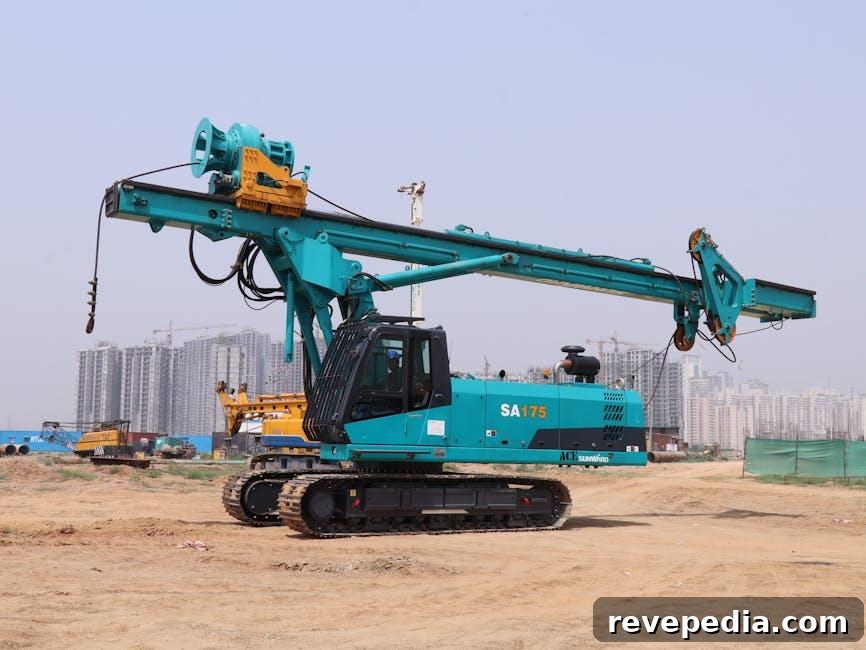
Photo by Action Construction Equipment Ltd. – ACE on Pexels
For decks, room additions, and light structures, helical piles typically win on speed and cleanliness. Large basements or heavy slabs, however, often remain best served by traditional concrete foundations. Ground conditions also matter: because helical piles disturb the soil much less than open excavation, site planning and a qualified installer remain essential for any deep foundation work.
What Sets Helical Piles Apart
- They are installed by screwing into the ground like a giant steel screw.
- They reach load-bearing soil and provide an immediately usable footing.
- Installation is fast, clean, and possible year-round.
- Tracked machines drive them using measured, repeatable torque.
- They are particularly well suited to decks, additions, sheds, solar arrays, and other light to medium structures.
The Case for Helical Piles
Helical piles are a practical upgrade for many projects because they are faster, cleaner, and more predictable than traditional poured footings. For a wide range of light to medium structures, they convert what used to be a multi-day concrete operation into a same-day foundation. Combined with capable installation equipment and a trained crew, helical piles deliver a dependable foundation you can build on immediately. For an increasing number of projects, the old approach of digging and waiting is difficult to justify.
Frequently Asked Questions
How Long Do Helical Piles Last?
When specified and installed correctly, helical piles can last for decades—often for the full lifespan of the structure they support. Galvanized or otherwise coated steel resists corrosion; longevity depends mainly on soil conditions and the pile’s protective coating.
Are Helical Piles as Strong as Concrete?
For most residential and light commercial applications, yes. Each pile is driven until its installation torque confirms that it has achieved the required load capacity, providing a verified, engineered rating. For decks, additions, and similar structures, helical piles match or exceed traditional footings while installing far more quickly.
Can You Install Helical Piles Yourself?
There are small manual and handheld systems for very light tasks, but most installations require specialized machinery and trained operators. Correct depth, torque, and placement are critical for safety and performance, so hiring a qualified installer is recommended for any load-bearing application.
What Can You Build on Helical Piles?
Helical piles support a broad range of structures: decks, porches, room additions, sheds, solar arrays, boardwalks, and tiny homes. They are well suited to many light and medium structures, especially on challenging sites. Large projects such as full basements or heavy slabs typically remain better suited to conventional concrete foundations.