A dripping faucet, a small crack in the foundation, or a musty basement odor—these are everyday issues homeowners often ignore. Yet those minor annoyances can be the first sign of much larger problems lurking behind walls or beneath floors.
The difference between a $200 repair and a $20,000 project usually comes down to timing. Hidden home hazards compound quietly, and without routine maintenance a simple fix can escalate into a major renovation. The difficulty is that the earliest warning signs rarely look urgent.

What These Overlooked Issues Actually Cost
Foundation repairs often range from $4,000 to more than $10,000 once cracks deepen. Roof repairs or full replacements typically cost $5,000 to $10,000, and replacing a failed HVAC system commonly lands between $7,000 and $10,000.
Electrical rewiring, usually required when panels are outdated or damaged, can run from $4,000 to $12,000 depending on the house size. Even water damage restoration, which many homeowners expect to be minor, frequently falls between $1,000 and $5,000.
All of these issues follow a similar pattern: a small, ignorable warning sign appears first. Structural problems like foundation settling not only damage the home but also create safety hazards on stairs and uneven surfaces. Homeowners with mobility concerns may need temporary solutions such as a stairlift while repairs are underway.
Recognizing early signals can be the difference between a manageable weekend project and a disruptive, budget-altering repair.
Structural Damage That Starts Underfoot
The most costly property repairs tend to involve the home’s structure. When foundations shift or roofs fail, repair needs multiply because these systems protect everything inside the house.
Foundation Cracks and Settling
Foundation cracks often begin as hairline fractures that appear harmless. Over time they widen with seasonal shifts in temperature and moisture, allowing water to penetrate deeper into concrete.
Early interior signs usually appear first: doors that stick or won’t latch, uneven floors, and gaps where walls meet ceilings. These clues indicate foundation settling that has progressed past the surface level.
Prevention begins outdoors. Poor drainage and improper grading let water pool near the foundation, increasing erosion and pressure. Redirecting downspouts, regrading soil to slope away from the home, and keeping gutters clear can prevent or slow foundation damage before it becomes expensive to fix.
Roof Deterioration You Can’t See
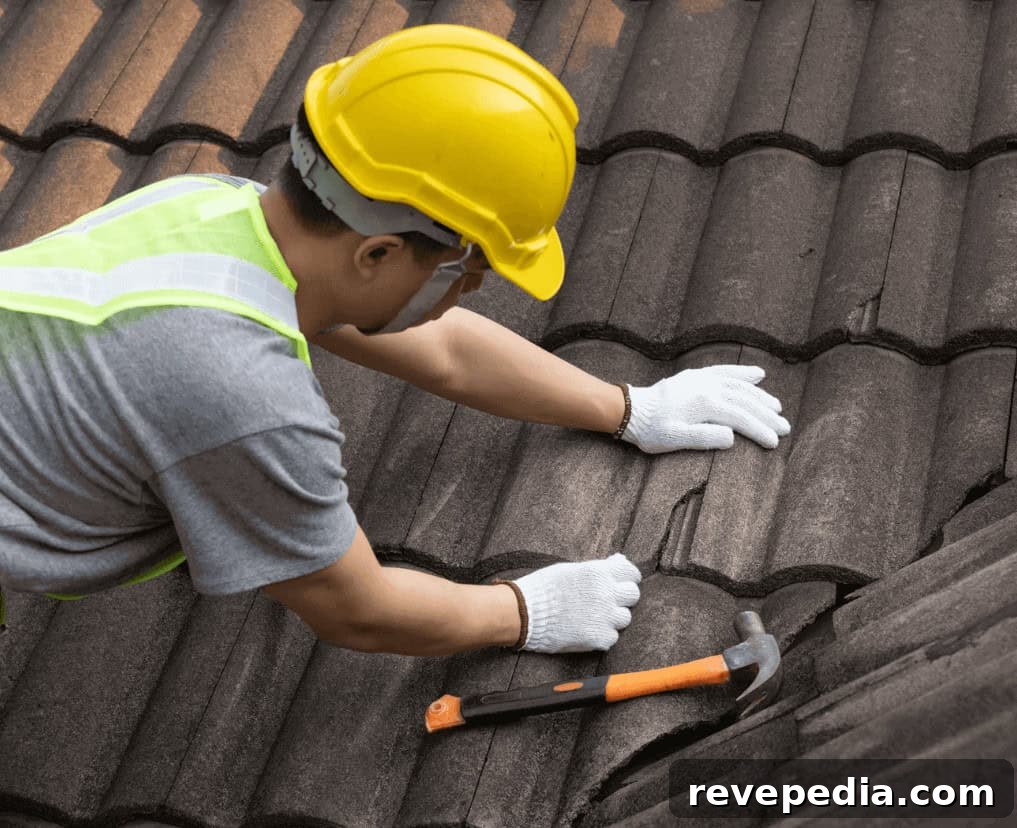
Roof damage rarely announces itself with a dramatic leak. Instead, the signs are subtle: missing or curling shingles, granules filling gutters, or faint daylight visible through attic boards.
Clogged gutters not only threaten the foundation but also trap moisture at the roofline, rotting fascia boards and compromising the roof deck. Regular gutter maintenance is one of the most cost-effective steps to protect both the top and bottom of a home’s structure.
Annual roof inspections help catch deterioration early. Replacing damaged shingles promptly and clearing debris from valleys and flashing areas can extend a roof’s useful life and keep repair costs far below a full replacement.

Pest Damage That Goes Unnoticed for Years
Termites feed slowly and quietly, often chewing through structural wood for years before anyone notices. Termite damage accounts for billions in U.S. property losses annually, and average repairs often run into the thousands—structural cases can be far costlier.
Warning signs are easy to miss without deliberate checks: mud tubes along foundation walls, wood that sounds hollow when tapped, or small piles of discarded wings near windowsills all indicate infestation.
Pest damage is particularly expensive because it’s commonly excluded from homeowner insurance, which treats it as a maintenance issue rather than a sudden event. That means homeowners typically shoulder the full cost of repairs.
Annual professional inspections are the most reliable prevention in termite-prone areas. Exterminators can assess a home’s perimeter, crawl spaces, and wooden structures more thoroughly than a casual DIY check, and catching activity early keeps repair costs manageable.
Water and Plumbing Failures
Neglected plumbing is one of the most frequent causes of home damage claims. Water travels into every gap and crevice, and by the time damage becomes visible the costs have often multiplied.
Slow Leaks Behind Walls
Leaks behind walls can run for months without obvious signs. By the time water stains show on drywall, musty odors develop, or an unexplained jump in the water bill appears, the damage has typically spread far beyond the original leak.
Hidden moisture creates an ideal environment for mold, and mold remediation usually costs $1,000 to $4,000. That expense surprises many homeowners because the originating leak seemed minor or went unnoticed entirely.
Routine checks under sinks, monitoring water pressure for sudden drops, and watching for discoloration on walls or ceilings can help catch leaks before they cause major problems. Establishing a relationship with a reliable local plumber for inspections and repairs is a practical safeguard.
Water Heater and Sump Pump Neglect
Water heaters and sump pumps are often tucked away, quietly working until they fail. Simple maintenance is frequently skipped: flushing a water heater annually removes sediment that reduces efficiency and shortens the unit’s life, preventing leaks and tank failure.
Sump pumps should be tested seasonally, particularly before periods of heavy rain. A failed sump pump during a storm can flood an entire basement.
Septic systems also require regular attention. Routine pumping every three to five years prevents backups and expensive drain-field replacements; postponing that maintenance increases the risk of costly failures.
Electrical and Fire Risks Hiding in Plain Sight
Outdated wiring is a common and serious fire hazard in older homes. Houses built before the 1970s may still use aluminum or knob-and-tube wiring, both of which pose higher fire risks than modern copper systems.
Warning signs include flickering lights, warm outlets, and frequently tripping breakers—signals the electrical system is being pushed beyond its capacity. Ignoring these indicators lets danger grow unnoticed behind walls.
Electrical rewiring can cost $4,000 to $12,000 depending on home size. While significant, that investment is far less than the loss, displacement, and recovery expenses following a house fire.
Fire risk extends beyond the panel. Clogged dryer vents cause thousands of house fires each year because lint buildup restricts airflow and causes dryers to overheat. Dryer vent cleaning is an inexpensive, quick maintenance task that removes a preventable fire hazard and is often overlooked.
A Simple Budget Rule to Stay Ahead
Knowing what to look for is only half the solution. The other half is setting aside funds before problems appear.
One common guideline is the 1% rule for home maintenance: allocate about 1% of your home’s purchase price each year toward upkeep and repairs. For a $300,000 home, that equates to roughly $3,000 annually—enough for routine HVAC service, gutter cleaning, and appliance upkeep before small issues escalate.
Older homes typically need more. Increasing the budget to 2% or 3% accounts for aging systems, worn materials, and the higher likelihood of component failures.
The logic behind preventative maintenance is simple: small tasks like cleaning refrigerator coils, replacing weatherstripping, and clearing gutters cost far less than emergency HVAC replacement or extensive water damage restoration. Routine maintenance keeps systems efficient and extends the life of major components.
In practical terms, spending a few hundred dollars each year on maintenance is a small price compared with the cost of a major system failure.
Small Fixes Now or Big Bills Later
Every costly repair described here began the same way: a small, affordable issue left unaddressed. A hairline crack, a slow drip, a lint-filled vent—these humble beginnings repeat across countless expensive repairs.
Seasonal inspections and a modest preventative maintenance budget are the most reliable defenses against five-figure surprises. Tackling even one maintenance task from this list—flushing a water heater or clearing a gutter—reduces long-term risk significantly.
The homes that are cheapest to maintain are often not the newest ones; they are the homes where small problems are fixed before they grow. Regular attention and timely repairs protect both the structure and the household budget.