
Home transitions are major life events experienced by millions each year. In 2024, about 11.8% of Americans moved residences, and while many of those moves are local, that doesn’t make them simple. Even a short-distance move requires coordination, decisions, and planning to avoid chaos on moving day.
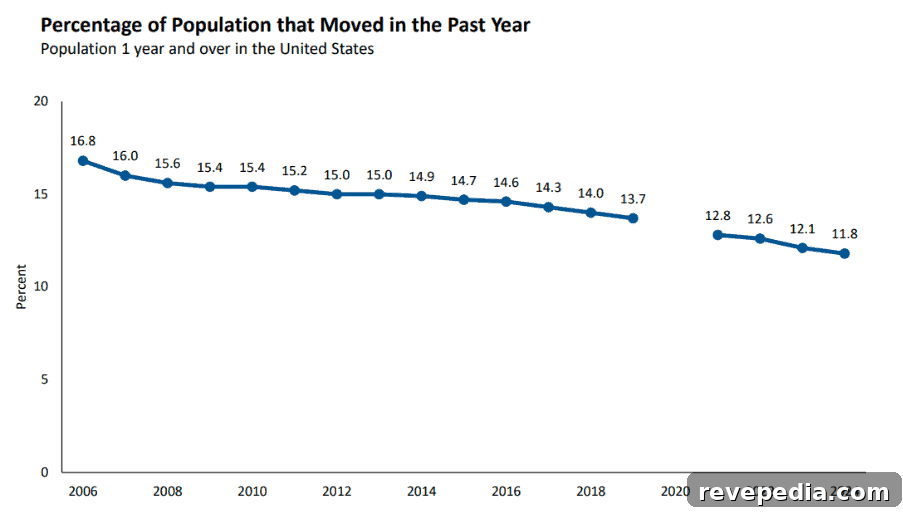
[Source: US Census Bureau]
At first glance a local move may seem straightforward, but in practice it’s a chain of small tasks that add up quickly. Hiring professional local movers can save time and reduce stress, since experienced crews know how to keep a move efficient, protect belongings, and help you settle in faster.
A stress-free move starts with a clear plan and a setup that lets you get comfortable in your new home as soon as possible. Below are practical steps to structure your move, reduce unnecessary work, and make the transition smoother.
Start with a plan
Decide early whether you prioritize speed or a tidy handoff between homes. That choice affects the timeline, packing sequence, and the level of preparation you’ll need.
Create a schedule that anchors your move to two dates: when you begin packing and when the move must be completed. Break the timeline into weekly tasks so the work is manageable and progress is visible.
Many moves are driven by housing needs—more space, a better layout, a different neighborhood, or a home that better fits life changes—so keeping that larger goal in mind helps when the details start to feel overwhelming.

[Source: US Census Bureau]
Declutter before you pack
A common mistake is packing items you rarely use because it’s faster in the moment. That only shifts the decision to the new house, where you’ll have less patience and less room. Before packing, go room by room and remove duplicates, broken items, expired products, old paperwork, and anything untouched for a year. Reducing volume beforehand means fewer boxes, less unpacking, and a cleaner start.
Build a room-by-room packing system
Packing becomes easier when treated as a sequence. Start with the least-used rooms, then pack seasonal and decorative items, and leave daily essentials for last. Label every box with both the destination room and a short list of contents to make unpacking straightforward.
Unless you rarely use the kitchen, avoid packing it first. Keep one pan, one pot, a few plates, basic utensils, dish soap, paper towels, and a coffee setup available until the last day or two. Color-coding boxes by room and posting matching color labels on doors in the new home helps movers and helpers know where each box belongs, saving time and preventing misplaced items.
Protect documents, valuables, and daily essentials
Some items should not go on the moving truck. Keep passports, leases, financial paperwork, medications, chargers, keys, laptops, jewelry, and sentimental pieces with you. Store these in a clearly marked personal bag or lockbox.
Also prepare a first-24–48-hours kit with toiletries, clothes, cleaning supplies, pet items, toilet paper, snacks, a flashlight, and basic tools such as a box cutter, screwdriver, measuring tape, and phone charger. That kit will be invaluable before most boxes are unpacked.
Before moving, photograph or video high-value items and electronics. These quick records simplify insurance claims and provide documentation if damage questions arise.
Vet your moving help early
Hiring reputable professional movers can prevent damage and keep your schedule on track. Verify credentials, reviews, and complaint histories—especially for interstate moves. Regulatory reports show that household goods brokers and moving companies can face enforcement actions, so checking details before booking protects you from unexpected problems.

Prep the old home before move-out day
Leaving the old home organized makes the final handoff smooth. Schedule cleaning, patch minor wall damage, empty trash, defrost and clean the refrigerator, and set aside anything that must remain with the property. If you are selling, presentation matters: clean, uncluttered rooms help prospective buyers picture the space and can shorten time on market.
Final checklist for moving week
Use this checklist to keep the last stretch under control:
- Confirm moving date, arrival window, and payment details
- Finish packing nonessential items
- Set aside personal documents and valuables
- Pack your first-night essentials bag
- Label every box by room and contents
- Photograph fragile or high-value items
- Empty, clean, and unplug major appliances
- Reserve elevators or loading zones if required
- Confirm utility shutoff and start dates
- Do a final walkthrough before locking up
A well-organized move reduces the number of pressured decisions you must make on the fly. Start early, declutter, use clear labels, and protect your most important items and documents. With a smart plan and a few practical systems, you can turn a potentially stressful move into a fresh, orderly start.