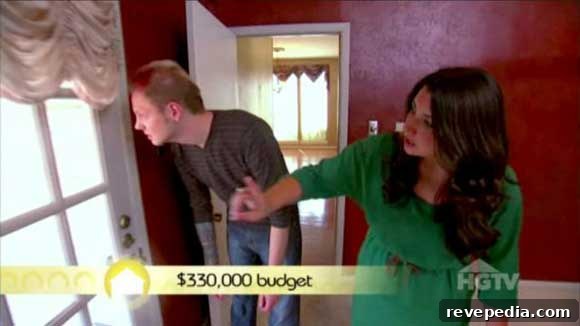
Reality television often trades strict accuracy for a compelling narrative, and many viewers willingly suspend disbelief to enjoy the story. While these programs rarely claim to be documentaries, the way they edit and stage scenes can make the situations feel more dramatic or coherent than they were in real life. Established news organizations sometimes shape stories to be more engaging; reality TV follows a similar pattern, emphasizing entertainment value over precise fidelity to events.
A post on the house blog Hooked on Houses recently shared a reader’s experience with HGTV’s House Hunters, and the details surprised a number of readers. Stories revealed by participants and insiders show that some scenes are staged, timelines are compressed, and certain conversations or decisions are re-created for the camera. That practice can create inconsistency between the participant’s memory and the finished episode—and that’s what often prompts viewers to question how much of what they see is “real.”
The blogger Bobi from Western Warmth provided an insider’s perspective that confirms what many long-time reality viewers already suspect: producers sometimes craft a different narrative from what actually happened. Elements such as property choices, budget portrayals, and buyer reactions may be emphasized, rearranged or even dramatized to create clearer story arcs and to keep episodes moving at a steady pace.
It’s worth noting that these production choices are not unique to home-improvement or house-hunting shows; they’re common across many reality formats. Recreating conversations, staging reactions, or compressing events into a shorter timeframe helps producers deliver an episode that fits runtime constraints and appeals to broad audiences. While this can be disappointing for viewers who expected documentary-level transparency, it’s also part of the television craft aimed at telling a satisfying, cohesive story.
Does this approach harm viewers? For most people, learning that a show is partially staged doesn’t diminish the entertainment value—many continue to watch for design ideas, general market perspective, or the enjoyment of seeing homes and personalities play out on screen. The key difference is understanding the distinction between entertainment and a literal, unedited account of events. Accepting that many scenes are produced or condensed helps set realistic expectations: the show can inspire and entertain without being a verbatim record of a family’s experience.
That said, some elements deserve scrutiny. If a series misrepresents essential facts—such as a buyer’s true budget, the condition of a property, or contractual realities—it can mislead viewers about real-world processes like home buying. The ethical line is drawn where dramatic license becomes deceptive about material issues that affect how audiences understand real-life decisions and markets.
In the end, reactions vary. Some viewers feel betrayed when confronted with staged elements; others remain unbothered, treating the programs as light entertainment or design inspiration. Whether it matters depends on what you expect from the show: if you watch for emotional beats and storytelling, the staging may be acceptable; if you expect an accurate play-by-play of real estate transactions, you may feel disappointed.
Have you noticed moments on HGTV or the DIY Network that seemed reconstructed or embellished? Does knowing about those production practices change how you watch these shows, or do you still enjoy them the same way?