
Buying a home is an exciting milestone, but it can also be stressful. During the search, many buyers focus on visible details like floor plans, paint colors, or kitchen finishes and may miss small signs of deeper issues. For years, traditional home inspections have helped uncover hidden problems before a purchase is finalized. Today, new technology is changing how inspections are done. Advanced digital tools and artificial intelligence (AI) now assist inspectors by analyzing images, environmental data, and structural information to reveal potential concerns earlier in the buying process. As a result, buyers can get a clearer picture of a property’s condition and make more confident decisions.

Advanced Software Finds Hidden House Problems
New inspection methods make it easier to detect issues that can remain hidden for years. Rapid mold inspections and other high-tech assessments use digital systems to check for environmental hazards quickly. Traditional testing methods often take days to return results; modern tools can deliver actionable data in just hours, which is especially valuable when buyers face tight deadlines during a transaction.
Thermal Imaging and Water Detection
Inspectors now use thermal imaging cameras and specialized software to “see” through walls without removing drywall. These systems detect tiny temperature variations that can indicate early-stage leaks or moisture intrusion. Early identification helps avoid costly renovation mistakes by pinpointing exactly where water is infiltrating. Automated analysis reduces false positives from things like hot pipes or sun-warmed windows, offering more consistent detection than the human eye alone.
Checking the Building’s Structural Health
AI tools can analyze photos of foundations, framing, and other structural elements to detect minute cracks, shifts, or settling that may indicate movement. Identifying these problems early can prevent major repair bills after closing. Some platforms track changes in cracks and other defects over time, helping predict how these issues might progress so buyers can plan accordingly.
Testing Indoor Air Quality with Digital Equipment
Indoor air quality directly affects health, yet many homes have unnoticed contaminants such as dust, spores, or volatile chemicals. Modern sensors can rapidly scan air in each room to identify particulates and chemical signatures, giving buyers a clear sense of what they’ll be breathing before they sign a contract. These devices produce fast, detailed results that help buyers and inspectors evaluate whether further remediation is needed.
Detecting Particles and Pollutants
Contemporary air sensors use optical methods to count and size tiny particles such as dust and pollen. Software classifies these particles to indicate whether the air is within safe levels or if it requires attention. Common concerns these sensors highlight include:
- Spores and microscopic particles that can develop into mold problems later.
- Dust or debris from prior construction trapped in carpets and ventilation systems.
- Off-gassing chemicals from new paint, flooring, or finishes that can cause headaches or irritation.
- Outdoor pollution seeping indoors when properties are near busy roads or industrial activity.
Scanning for Invisible Chemical Hazards
Some hazards are odorless and invisible. Electronic scanners and chemical sensors profile the air to detect volatile organic compounds (VOCs) and other contaminants. Analysis platforms compare a home’s readings against large datasets to determine whether results fall within normal ranges. The output is presented in clear, readable reports buyers can use to request remediation or negotiate price adjustments.
Predicting Future Maintenance and Repair Needs
One powerful advantage of AI is its predictive capability. By combining property-specific observations with historical data about materials and local climate, these tools estimate when components like roofs, HVAC systems, and plumbing are likely to require maintenance or replacement. This forward-looking insight helps buyers budget for the next five to ten years and make more informed purchasing decisions.
Estimating Roof and Pipe Lifespans
Software evaluates roof age, material condition, and local weather patterns to estimate remaining service life more reliably than a visual assessment alone. This can reveal whether a replacement is likely soon and help buyers estimate related costs. Similarly, plumbing analysis can highlight older pipe materials or corrosion risks that increase the likelihood of future leaks.
Assessing Yard and Drainage Risks
Proper drainage and grading are critical to protect foundations and basements. AI-driven models can simulate storm events to determine how water flows across a property and whether grading, gutters, or hardscapes channel water toward the house. Inspections commonly evaluate:
- Soil infiltration rates and how quickly the ground absorbs heavy rain.
- Where gutters and downspouts discharge water during intense storms.
- Whether driveways or paved surfaces divert water toward the garage or foundation.
- How much local soil movement occurs when saturated.
Clear Reports for Faster Home Buying
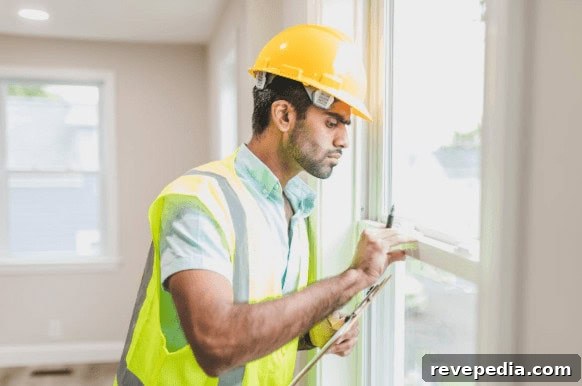
Modern inspection reports are designed for clarity and speed. Instead of long technical narratives full of jargon, new reports use visual tools—colors, photos, and interactive maps—to show problems clearly. Buyers can review results on a phone or computer, making it easier to discuss repairs or negotiate with sellers.
Interactive Maps and Problem Pinning
Reports often include a digital floor plan with pins marking issues. Clicking a pin reveals photos, sensor readings, and recommended actions so buyers and contractors can see the exact location and nature of defects. This digital trail also helps verify completed repairs after closing and provides a comprehensive record of the property’s condition.
Prioritizing Repairs by Risk and Cost
Inspection platforms typically sort issues by severity, placing safety concerns at the top and service items lower down. They may include cost estimates for repairs, allowing buyers to weigh immediate safety needs versus routine maintenance. Having prioritized, estimated costs makes buyers more confident and better prepared when negotiating in competitive markets.
What This Means for Home Buyers
AI and modern inspection technology do not replace professional inspectors; they enhance inspectors’ capabilities. Buyers gain faster results, clearer reports, and improved detection of hidden issues such as moisture intrusion, compromised air quality, or early structural movement. When scheduling an inspection, consider asking whether the inspector uses tools like thermal imaging, digital moisture meters, and air quality sensors—these technologies can reveal problems that a visual-only inspection might miss.
Access to precise data helps buyers make informed decisions, plan future maintenance, and avoid unexpected costs after moving in. Combined with traditional inspection practices, technology-enabled inspections give buyers a stronger, clearer basis for one of the biggest investments of their lives.
Gaining Peace of Mind with Data
New tools are providing home buyers with deeper insight into the properties they consider. By blending sensors, data analysis, and professional expertise, modern inspections uncover potential problems earlier and with greater accuracy than visual checks alone. These systems supply detailed information about structure, air quality, drainage, and maintenance needs.
With faster, more understandable reports and forward-looking predictions, buyers can plan repairs, negotiate effectively, and move forward with greater confidence. Combining traditional inspections with modern technology helps buyers approach homeownership with better information and more peace of mind.