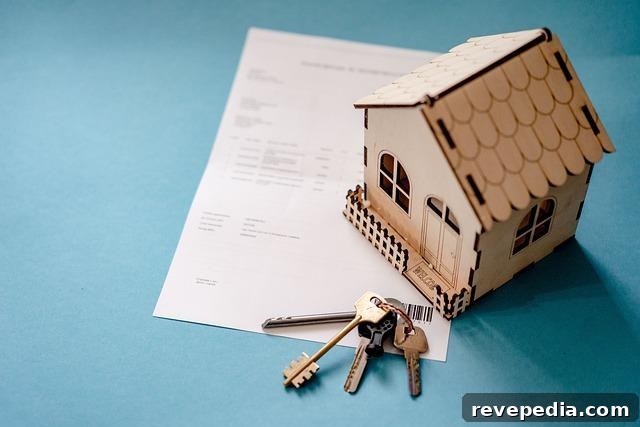
A grounded look at how owning a home can anchor long-term financial health — and what it takes to make it work.
Financial stability seldom arrives by chance. It requires intentional choices, steady habits, and a clear understanding of which assets can support you over time. For many people, homeownership plays a central role in that equation — not as a guaranteed jackpot but as a concrete, strategic step toward a more secure financial future.
The connection between owning a home and achieving stability is complex. It goes beyond signing a mortgage and paying a monthly bill. When handled with clarity and purpose, homeownership becomes one of the most effective means to grow wealth, reduce financial vulnerability, and create a foundation for other goals.

Why Homeownership Still Makes Financial Sense
With rents rising and economic uncertainty persistent, the argument for buying instead of renting remains persuasive. Rent payments cover housing costs and that’s the end of it. Mortgage payments, on the other hand, serve multiple purposes: they provide shelter while gradually reducing your loan principal and building ownership in a tangible asset.
That said, buying a home is not automatically the best choice for everyone. Location, readiness of finances, job stability, and personal plans all matter. For those in a position to purchase, however, the long-term financial benefits are well documented and substantial.
$300K+
Median net worth of homeowners vs ~ $8K for renters (Federal Reserve)
40×
Average homeowner net worth vs renter net worth
66%
U.S. homeownership rate — a consistent majority
Data from the Federal Reserve’s Survey of Consumer Finances shows homeowners typically hold far greater net worth than renters. The difference is large, and much of it comes down to equity.
Building Equity: Your Home as a Financial Asset
Equity is the portion of your property that you own outright: the gap between the market value of your home and the remaining balance on your mortgage. As you pay down principal and as your property appreciates, your equity rises.
This is where homeownership begins to compound value. Unlike cars, which depreciate quickly, real estate has a historical tendency to appreciate over the long term — though not every year and not in every market. Still, over decades, residential property in many regions has generally increased in value.
Equity is not merely a line on a balance sheet. It represents financial capacity — capital created through consistent payments and market appreciation.
How You Can Put Equity to Work
Once you accumulate meaningful equity, new options open up. Homeowners can borrow against that equity through products such as home equity loans or lines of credit, often at lower rates than unsecured borrowing. These funds can finance home improvements, consolidate high-interest debt, or cover major expenses without dismantling your broader financial plan.
Used judiciously, home equity turns your dwelling into a strategic financial tool. The key is disciplined, goal-oriented use rather than impulsive spending.
Homeownership as a Forced Savings Mechanism
One often overlooked advantage of owning is its role as enforced savings. A portion of each mortgage payment reduces principal — effectively forcing you to save by building equity. Many people struggle to save consistently; a mortgage creates a built-in savings discipline that renting typically does not.
Every extra principal payment can accelerate equity building and reduce interest paid over the life of a loan. Small, regular actions compound into meaningful gains over time.
The Psychological Dimension
Ownership also influences behavior. Homeowners frequently adopt more deliberate financial habits because of the responsibilities that come with a house: taxes, maintenance, and insurance demand planning. This structure fosters budgeting discipline that can spill over into other areas of personal finance.
Behavioral economics shows that structured obligations like mortgage payments can lead to more consistent money management than entirely discretionary spending. In that sense, homeownership can both directly and indirectly help build wealth.

Tax Advantages That Reduce Your Burden
Owning a home often comes with tax benefits that lower your annual tax liability. While tax laws and individual circumstances differ, common advantages have historically provided meaningful relief for many homeowners.
The mortgage interest deduction lets qualifying homeowners deduct interest paid on a mortgage when they itemize deductions. Early in a mortgage term, interest typically makes up a larger share of payments, which can translate to notable tax savings. Property tax deductions can further reduce taxable income, depending on local rules.
When you sell a primary residence, capital gains exclusions can also apply: single filers may exclude up to $250,000 of profit, and married couples filing jointly can exclude up to $500,000, provided residency and other requirements are met. That exclusion can make the sale of a primary home substantially more tax efficient.
Stability Beyond the Numbers
Financial planning is as much about protection as accumulation. Homeownership contributes to stability in ways that extend beyond net worth.
One example is predictability. With a fixed-rate mortgage, your principal and interest payment remain constant for the loan term, offering protection against rising housing costs. Renters face potential increases year to year based on market conditions and landlords’ choices. That predictability is a meaningful form of financial security.
Owning real estate can also serve as an inflation hedge. Over time, as prices rise, so can property values and rents. The real value of a fixed mortgage payment declines with inflation, meaning housing costs can effectively lessen in real terms while the asset retains or grows in value.
Common Mistakes to Avoid
Homeownership is a powerful tool when managed properly, but it can become a liability without prudent choices. Several common mistakes can undermine the benefits.
Buying more house than you can afford is the most frequent error. Overstretching your budget can leave you vulnerable to unexpected repairs, medical bills, or income changes. Financial advisors typically recommend keeping total housing costs around 28–30% of gross monthly income to maintain flexibility and resilience.
Neglecting maintenance is another costly mistake. Deferred repairs and poor upkeep reduce a property’s value. Routine maintenance preserves and enhances your investment over time.
Finally, using home equity for nonessential spending can erode long-term wealth. Accessing equity for strategic purposes—home improvements that increase value, debt consolidation on high-interest accounts, or essential expenses—can be wise. Draining equity for lifestyle expenses risks leaving you financially exposed.
Conclusion
Homeownership is not a one-size-fits-all solution. It demands preparation, discipline, and continual financial awareness. Yet when approached thoughtfully, owning a home provides something few other assets can: a stable, appreciating base from which the rest of your financial life can grow. The route to financial stability is rarely straightforward, but for many people, responsible homeownership is one of the most reliable steps along that path.