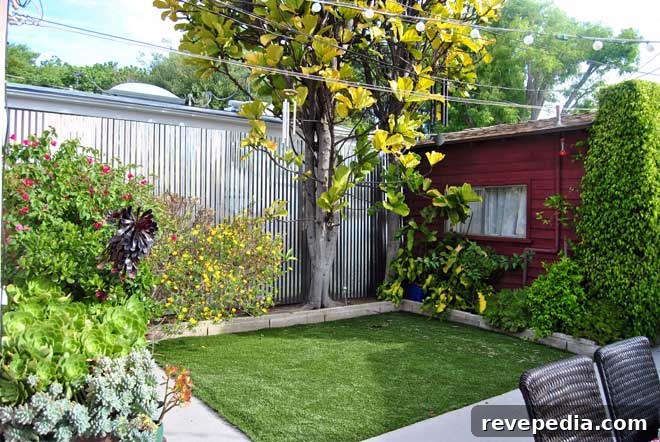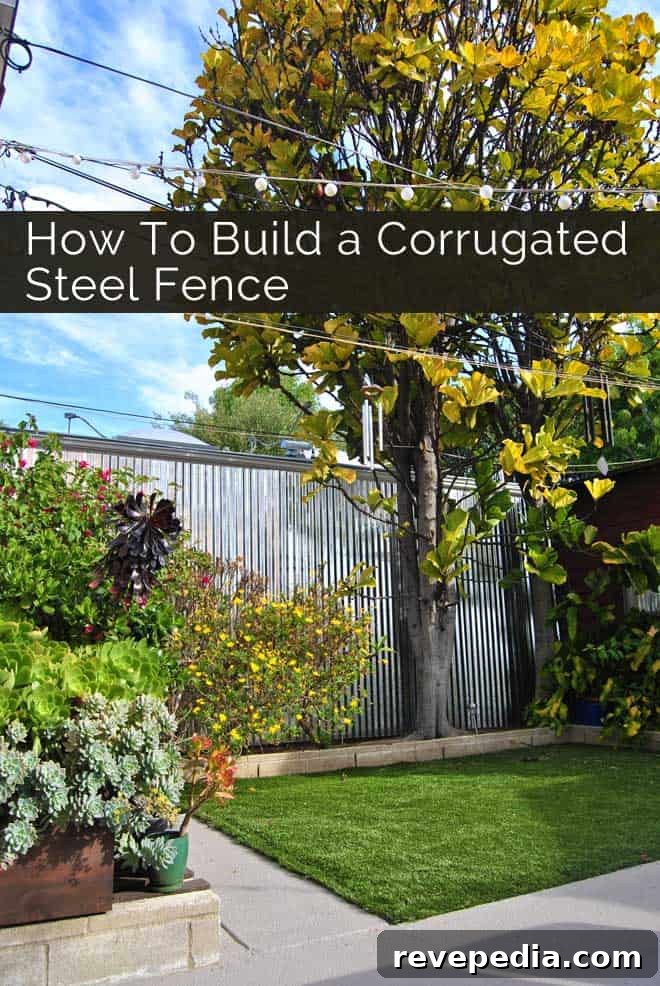
Our yard is small but powerful. The indoor/outdoor layout has always worked well for us, but recently our neighbor removed a row of bushes on his property that had formed a natural privacy screen between our homes.
Once the bushes were gone, his kitchen and dining room windows were fully exposed to our backyard, and of course we could see directly into his space as well.
We had a few bamboo screens up, but they were old, sagging, and no longer provided any meaningful privacy.
Fortunately, the neighbor was clearing the property in preparation for a new tenant, so the house was unoccupied. Still, we knew that could change quickly and wanted a fast, effective solution.
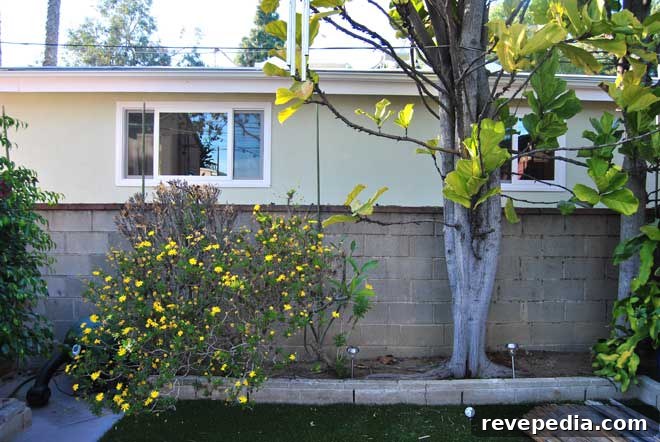
We weighed several options to restore privacy. First, we considered extending the existing brick wall with a wooden fence like the one we had installed on another part of the property. That approach was viable, but the brick wall on this side was lower, so building a much taller wood extension would require more time and money than we were willing to invest on short notice.
Next, we thought about buying prefabricated wood fence panels and mounting them on risers against the brick wall. While quicker than a full framed fence, that plan still required building support framing and handling heavy panels.
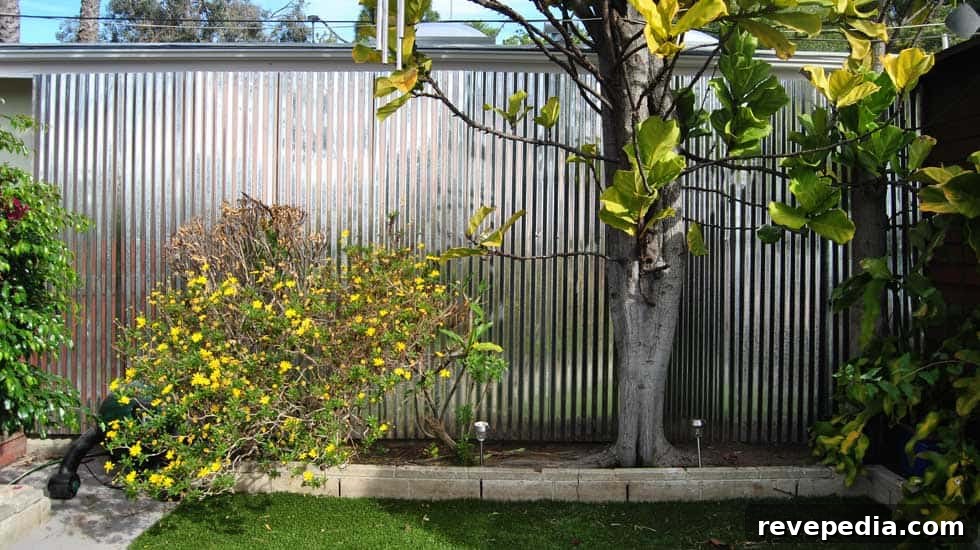
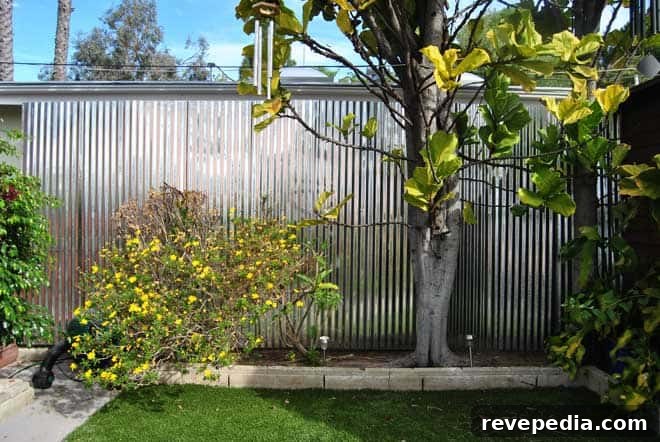
The solution we ultimately chose was corrugated steel panels mounted to the brick wall with furring strips. This method is straightforward: attach furring strips to the brick and fasten the steel panels to those strips. It was fast, cost-effective, and durable, so we went for it.
We gathered all the tools and materials from Lowe’s and got to work.
Tools & Materials
8 corrugated steel panels (4×8)
20′ furring strips
Tapcon concrete screws
Corrugated steel screws
Carbide-tipped masonry drill bit
Hammer drill and driver
Step-by-Step
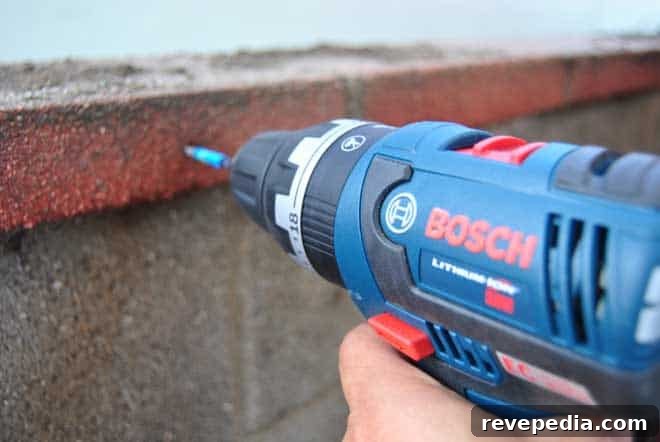
Begin by fastening the furring strips to the brick wall. We used Tapcon concrete screws and pre-drilled pilot holes with a carbide-tipped masonry bit included in the Tapcon kit. Position the furring strips vertically at regular intervals so they will support the steel panels securely.
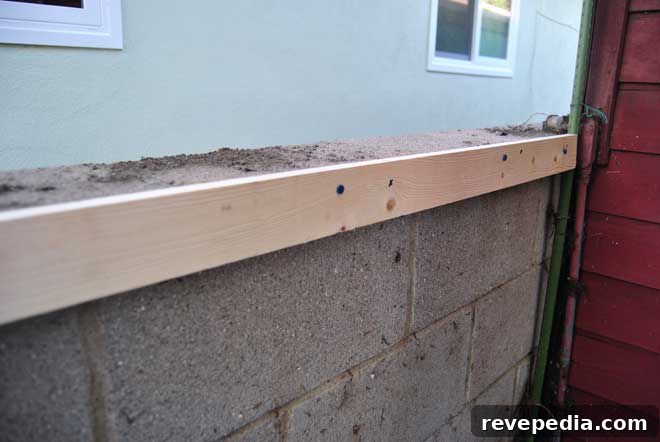
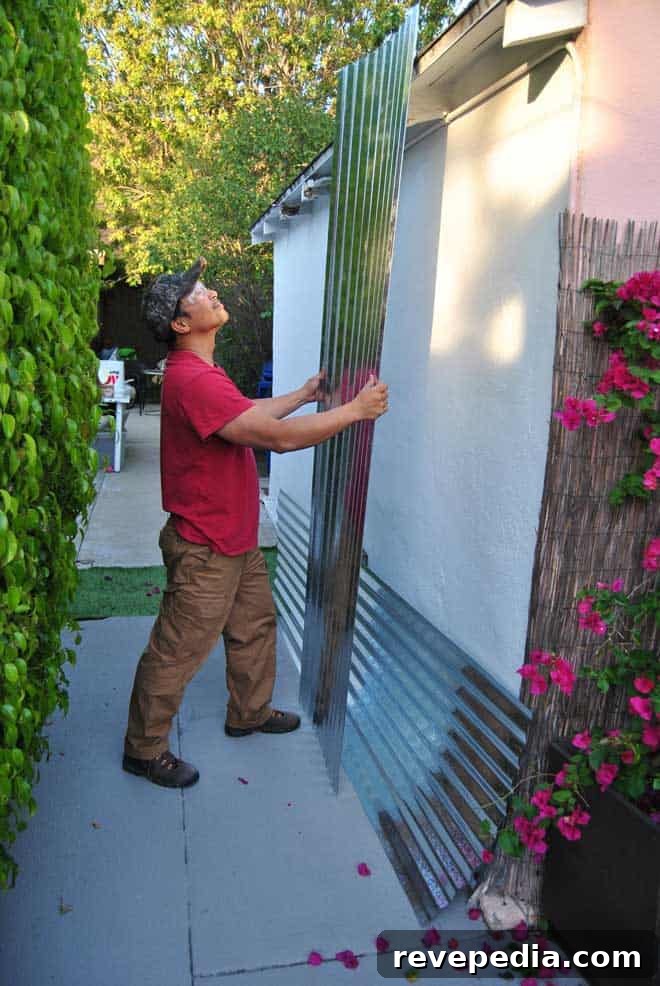
Next, align the corrugated steel panels against the wall, making sure the top edge is level across the span. For a clean look and added strength, overlap the panels by at least one ridge. We recommend using at least two furring strips behind each panel overlap to ensure maximum holding power.
Once the panels are even, drive corrugated steel screws through the panel ribs and into the furring strips. Use enough screws to keep the panels flat and secure—spacing them appropriately along each furring strip prevents sagging and reduces noise in windy conditions.
For personal comfort and durability while working, I tried the DuluthFlex Ultimate Fire Hose Cargo Pants from Duluth Trading Company—sturdy workwear makes a project like this more manageable.
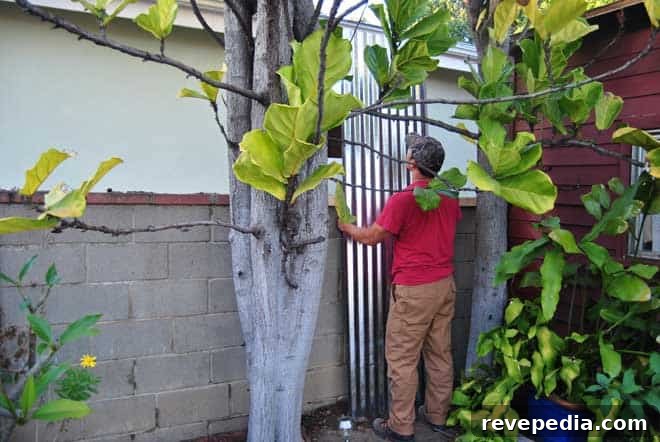
The final step was to step back and enjoy our new private yard. The corrugated steel panels deliver an industrial-chic aesthetic that changed the feel of the space—almost like being in a neighborhood coffeehouse. More importantly, they provide complete privacy and have stood up well to local weather conditions.
Since installation, the panels have weathered several Santa Ana wind events without issue. As an unexpected side effect, they also served as an earthquake indicator: during a recent minor tremor we heard the panels rattling against each other even though there was no wind. It was an eerie but useful reminder of how securely the panels were mounted and how they react to movement.