Dear C&H community, I need your help. The problem: the beautiful loft windows in our apartment don’t have screens. We can’t open them far enough to get a good breeze because our two curious cats could escape and fall three stories to the street.
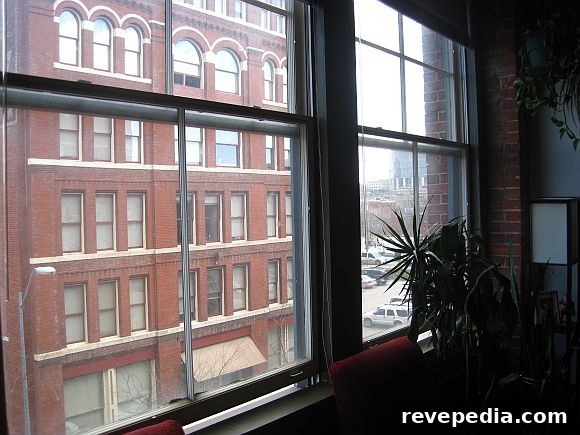
My husband and I have talked about options, but we haven’t found a solution that feels safe and reliable. Expandable or tension-fit screens exist, but I want something sturdier. One of our cats often “hunts” birds on the building across the street, and if he decides to leap when a window is open, I’d prefer a solid, heavier screen that would stop him from falling.
We don’t need the windows to open the full 43 inches—opening them 10 to 20 inches would be fine. There is also an outer window ledge made of wood where we could attach something, if that helps.
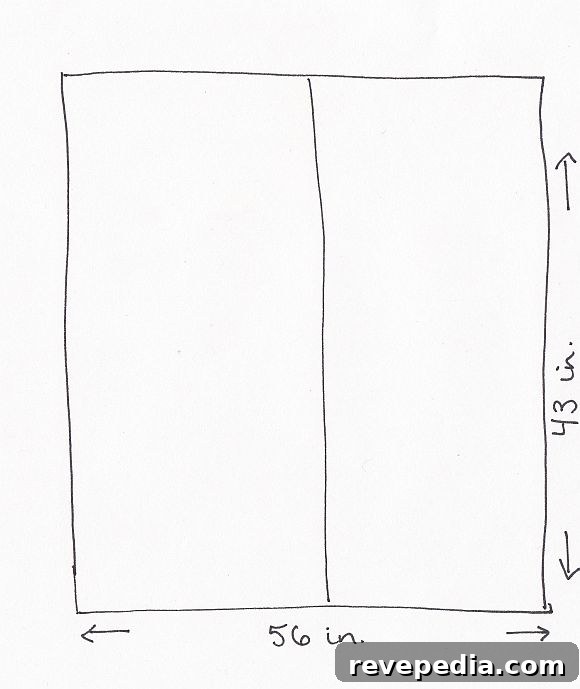
To describe the layout: each window is 43 inches high by 56 inches wide, and there are three of them in a row across the loft.
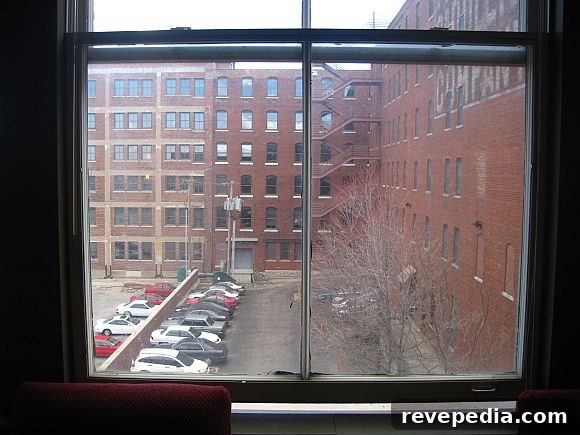
What I’m looking for are practical suggestions—either products to buy or DIY solutions you’ve tried. We’re comfortable with a little handy work, so if a homemade barrier or modified screen is a good option, please share the materials and steps you’d recommend. Important priorities are strength, stability, and ease of removal for cleaning or winter storage.
Possible approaches I’m considering and would appreciate feedback on:
- Custom-built framed screens: A rigid frame made from wood or aluminum with strong mesh or plexiglass panels that can be screwed into the outer ledge or set into a rabbet. This would give a heavier, more secure barrier than tension screens.
- Plexiglass or polycarbonate panels: Clear, impact-resistant panels cut to fit the lower 10–20 inches of the opening. These can be fastened with brackets or removable cleats to the wood ledge and provide an unobstructed view while preventing cats from falling.
- Removable welded wire panels: Heavy-gauge welded wire or expanded metal panels mounted within a frame could allow airflow while preventing a determined cat from pushing through. Finish the edges so there are no sharp points.
- Window stops or partial sash restrictors: Hardware that limits how far the sash can open—combined with a lightweight but sturdy screen—could prevent wide openings while still allowing ventilation.
- External security screen: Professionally made security screens use steel mesh within an aluminum frame and are designed to resist impact. If available in the right dimensions, they provide both airflow and robust protection.
When considering DIY options, here are practical tips to ensure safety and longevity:
- Measure carefully. Order or cut materials to fully cover the opening where you want protection, accounting for any sash or trim that might affect fit.
- Choose durable materials. Exterior-grade plywood or timber for frames, aluminum for lightweight frames, and polycarbonate for transparent panels work well in damp or sunny conditions.
- Secure mounting. Use screws into the wood ledge or install removable cleats so panels can be removed for cleaning. If you can’t screw into the frame, consider high-quality toggle anchors or clamp-style brackets designed for masonry or window sills.
- Ventilation vs. visibility. Mesh allows maximum airflow but can be chewed or clawed by determined cats; polycarbonate preserves the view and resists impact but reduces airflow slightly. A hybrid solution (mesh upper portion, solid lower panel) can balance both needs.
- Safety finishes. Smooth all edges, cover exposed fasteners, and ensure no small gaps allow paws to slip through.
If anyone has built a similar barrier for loft windows or used an off-the-shelf security screen that fit large openings, I’d love to hear what materials, measurements, and mounting methods worked best. Photos and brief how-to notes would be especially helpful.
Thanks in advance—I’m eager to find a reliable solution so we can enjoy spring breezes without worrying about our cats. Any suggestions you can offer will be greatly appreciated!