As temperatures climb, now is the ideal time to consider your yard’s irrigation needs. If you don’t already have a sprinkler system, installing one can be especially helpful if you plan to travel. An automatic watering system helps preserve the health of plants and landscaping while you’re away, ensuring beds and lawns receive consistent moisture even when you’re not at home.
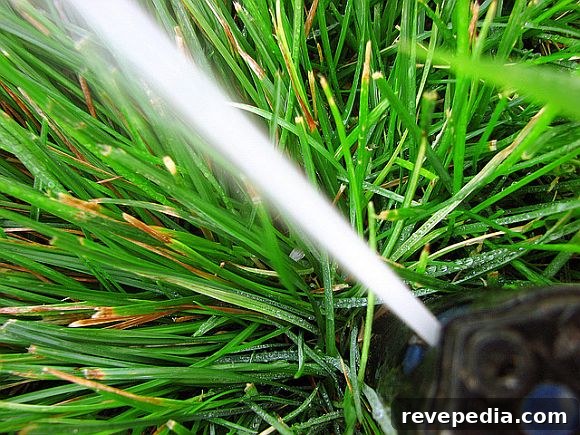
How DIY-friendly is irrigation? If you want a complete, in-ground sprinkler system, hiring professionals is usually the best choice. Professional installation costs more upfront, but it ensures the system is properly designed, meets local codes, and performs reliably over time. Pros can optimize head placement, water pressure, and drainage so the system covers your landscape efficiently.
After a professional sprinkler system is in place, you can further improve water efficiency by adding a drip irrigation network. A drip system uses tubing placed around plantings with connectors and emitters that deliver water directly to the root zone. Connecting that tubing to your sprinkler system’s main line or a separate supply lets you tailor watering to beds, containers, shrubs, and trees. Because drip irrigation applies water slowly and precisely, it drastically reduces runoff and evaporation, making it an excellent choice for water-conscious yards and drought-prone regions.
You don’t have to have a full sprinkler system to use drip irrigation. The main requirement is an available water source—such as an outdoor faucet, rain barrel, or irrigation line—that can feed the drip tubing. With a variety of kits and components on the market, DIYers can install drip systems for garden beds, raised planters, and container groups with relatively simple tools.
When planning any irrigation upgrade, consider these practical tips to maximize performance and save water:
- Map the landscape before buying parts: identify plant groupings, sun exposure, and soil types so you can zone watering appropriately.
- Use pressure regulators and filters on drip systems to prevent emitter clogging and ensure even flow.
- Choose emitters with appropriate flow rates for plant types—lower flow for established shrubs and higher for young transplants.
- Install a smart or programmable controller to adjust schedules by season and reduce overwatering.
- Perform periodic maintenance: check for leaks, adjust risers and emitters, and flush lines at the start and end of each season.
Adding mulch around beds and planting drought-tolerant species can further reduce irrigation needs. Combining efficient delivery methods like drip systems with smart scheduling and good landscape practices will lower water use and promote healthier plants.
Do you have a sprinkler or drip irrigation system at home? Share your experience and tips—you may help others plan a more efficient, reliable watering setup.
Photo: Flickr.com/pleeker