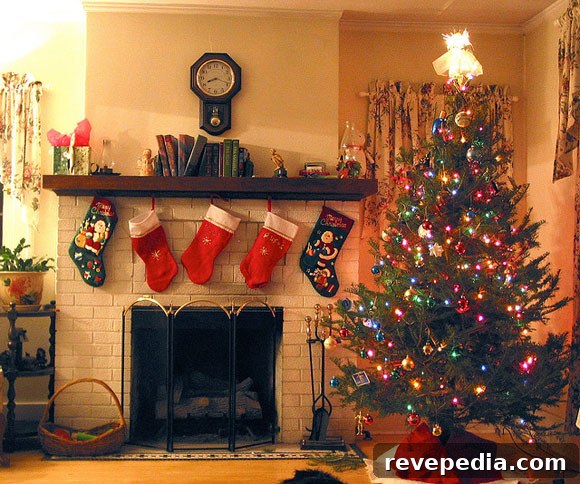
We have practical, easy-to-follow advice to help you choose the best Christmas tree for your home this season.
Choosing the Right Christmas Tree
Before you head out to buy a tree, take careful measurements of the space where the tree will stand. Don’t just note ceiling height — measure the floor-to-ceiling distance, subtract the height of the tree stand and any decorative topper you plan to use, and allow a little clearance so branches don’t press against walls or furniture. Also measure the width and depth of the area where the tree will sit. Different tree species and individual specimens have different girths and branch spreads, so knowing the maximum diameter that fits comfortably will prevent cramped branches or last-minute trimming.
Like choosing fresh produce at a market, selecting a fresh Christmas tree is a sensory experience. Many trees are cut 3–4 weeks before they reach the lot, typically around the weekend after Thanksgiving. The freshest trees will retain their needles, fragrance, and overall resilience. When possible, buy locally to reduce transport time and increase the chance of a healthy, long-lasting tree.
Here are simple, reliable tests to assess a tree’s freshness and suitability:
1. Test the branches
Gently take a branch between your thumb and forefinger, squeeze lightly, and pull toward you. If the branch sheds a significant number of needles, the tree may be past its prime and won’t hold up well throughout the holiday season. You want branches that flex and retain needles.
2. Crush the needles
Rub a few needles between your fingers and then smell them. A healthy tree should give off a strong, pleasant resinous scent. If the aroma is weak or absent, the tree is likely less fresh and will provide less fragrance and shorter needle retention.
3. Bounce the tree
Lift the tree a few inches off the ground and drop it carefully. If the tree loses a lot of exterior needles, it isn’t healthy enough. A good tree will keep its needles firmly attached after a gentle bounce.
4. Check the trunk diameter and fit
Make sure the base of the trunk will fit properly in your stand. Never force a trunk into a stand by shaving off bark or cutting too deeply; removing the bark can strip the cambium layer, which the tree uses to absorb water. If the trunk is too large for your stand, choose a tree with a smaller trunk or use a larger stand that accommodates the tree without damaging its water-absorbing tissues. Proper water uptake is essential to keeping the tree fresh and minimizing needle drop.
In addition to these checks, consider the tree species and your decorating preferences. Some species have sturdier branches that support heavier ornaments, while others offer a softer look or stronger fragrance. Think about needle retention, branch strength, and how the tree’s shape complements your space.
When transporting the tree, protect it from wind and sun exposure that can dry it out. Keep it in shade where possible and, once home, place the trunk in water as soon as you can. Cutting a fresh bottom slice—just an inch or two—right before placing it in the stand helps open the pores and improves water uptake.
Care after purchase is as important as the initial selection. Check the water level daily; a tree can drink several quarts each day, especially the first few days. Maintain a constant water level so the cut end never seals and can continue to draw moisture. Proper watering and placement away from heat sources like radiators or direct sunlight will extend the life of your tree and keep it looking vibrant throughout the holidays.
Choosing a Christmas tree is part practical and part personal: measure your space, inspect freshness with these simple tests, and care for the tree properly once you bring it home. A well-selected, well-cared-for tree will provide fragrance, beauty, and festive cheer for weeks.
photo: scottfeldstein