Choosing the right carpet involves more than just picking a color. Fiber type, pile, pattern and construction all affect how a carpet looks, feels and performs in daily life. Whether you’re buying flooring for the first time or updating a room, a few key principles will help you select carpet that fits your style and stands up to the demands of your household.
Below are practical carpet basics from Mohawk, one of the largest flooring manufacturers, to help you understand common carpet fibers, construction styles and care tips so you can make an informed decision.
Material Matters
The material a carpet is made from is the single most important consideration. Different fibers perform differently in areas with heavy foot traffic, pets, children or frequent spills. Ask yourself how each room is used before you choose a carpet type.
Seth Arnold, residential brand director at Mohawk, emphasizes that performance should lead the selection process. Consider the daily routine in a room—such as a busy playroom or a high-traffic family room—and choose a fiber that handles those demands. Today’s market offers several high-performing options including PET (polyester), nylon and triexta (SmartStrand), each with its own advantages.
Here are the top three carpet fibers and what makes them suitable for different needs:
PET (Polyester): Polyester carpets are an excellent choice for comfort and affordability. They tend to have a soft, luxurious appearance and resist stains and static well. PET is often easier to clean since spills stay on the surface until wiped away. One downside is that polyester may show traffic patterns over time. When made from recycled content, such as reclaimed plastic bottles, PET is also an environmentally friendly option.
Nylon: Known as a durable “workhorse” fiber, nylon performs well under crushing and matting and resists soil and stains reasonably well. It dyes beautifully, offering a wide range of colors and patterns, making it versatile for many décor schemes. Nylon typically needs a topical stain repellent and a bit more maintenance than some other fibers. Treated nylons—often with protective technologies applied—can keep carpets looking newer longer and make cleaning easier, which is helpful in active households.
Triexta / SmartStrand: Triexta, marketed by some manufacturers as SmartStrand, combines durability, built-in stain and soil resistance, and long-lasting softness. It resists fading from sunlight and retains built-in protection that won’t wash out. Many triexta carpets are partly derived from plant-based materials, making them a more sustainable pick. This fiber is often praised for its ease of care and strong performance in busy homes with children and pets.
Get Looped In: Carpet Construction
Carpet construction and pile also influence appearance and performance. The pile refers to the density and length of the fibers, while construction describes how those fibers are formed. Different constructions suit different lifestyles and aesthetic goals.
Texture Plush: This classic, soft style features a relatively even surface that hides footprints and traffic patterns well. Its simple, solid-color look is broadly appealing and works in many room types.
Frieze (Shag): Pronounced “free-zay,” modern frieze is not the shag of past decades. It features highly twisted fibers that create a casual, relaxed texture with excellent durability and bounce. Frieze works well in rooms where a cozy, informal look is desired.
Berber: Berber carpets have a low-profile looped pile and a natural, understated appearance. They come in solid tones or flecked styles for added visual interest. Because they are looped, berber styles can be vulnerable to snagging from pet claws, so pet owners should consider that when choosing this construction.
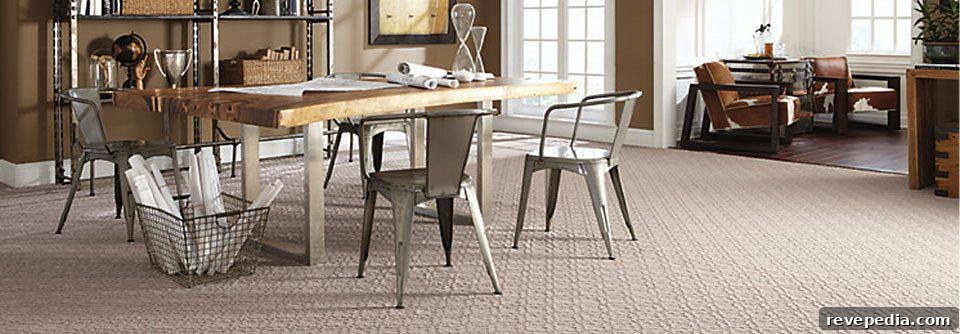
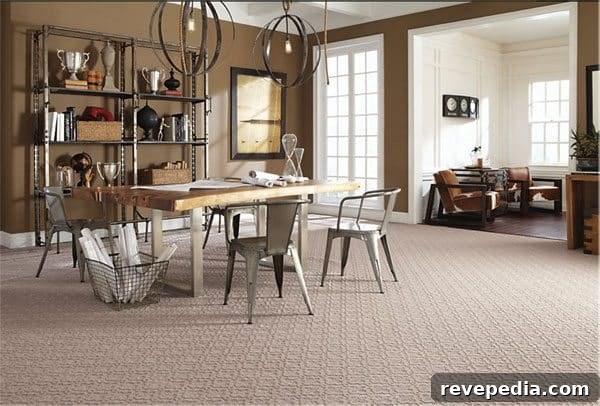
Pattern: Patterned carpets add visual interest and can range from subtle texture-on-texture designs to bold color combinations. Patterned carpets often have short piles that conceal traffic patterns and are suitable for both formal and casual settings. Pile choice is where consumers can most express personal style, and textured constructions remain a trending, versatile option for many households.
Choosing Color
Neutral shades—beige, gray, soft golds—are popular because they create a cohesive, timeless look and make spaces feel bright and open. However, color choice should reflect lifestyle considerations. For example, homes with dark-haired pets may find very light carpets show pet hair more readily. A practical approach is to match the carpet tone to the color of frequent messes, or choose flecked patterns and tonal variations to mask dirt and shed hair without sacrificing style.
Carpet Care Tips
After installing carpet, proper maintenance will preserve its appearance and extend its life. The Carpet and Rug Institute recommends simple, regular care practices:
- Vacuum weekly to prevent soil from settling into fibers. Use a vacuum compatible with your carpet’s pile style for best results.
- Arrange professional cleaning every 12–24 months depending on traffic and household activity; for many homes, an 18-month schedule works well.
- Treat spills immediately by blotting and neutralizing the area rather than rubbing, which can spread the stain.
- Snip any snags with scissors instead of pulling to avoid unraveling.
Choosing the right carpet means balancing material, construction, color and care to match how you live. With the variety of modern fibers and styles available, it’s easier than ever to find an option that looks great, performs well and fits your budget and values.