Now that spring has arrived, it’s a great time to include your home’s water system in your annual cleaning routine. Many of us focus on floors, countertops, bedding and other visible areas, but pipes, faucets and water-using appliances also benefit from periodic attention. Flushing your water system once or twice a year can remove stagnant or untreated water that may have accumulated in lines and fixtures, reduce the risk of contamination, and help extend the lifespan of plumbing components.
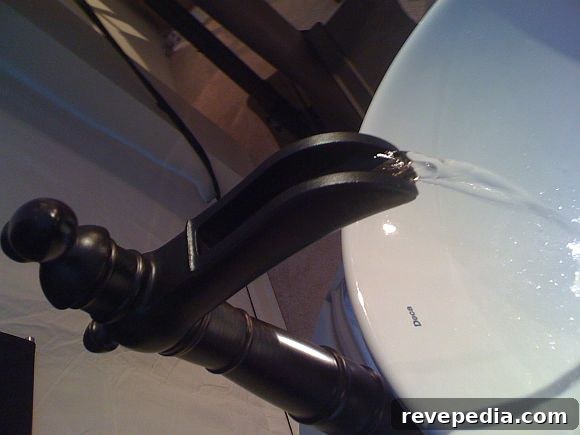
The following practical, easy-to-follow tips cover several parts of a typical home water system. They are general guidelines; if your home has unusual plumbing, or if you received specific instructions from your water utility (for example, after a boil water advisory), follow those directions first.
Hot water faucets
Open every hot water faucet in the house and let the water run. For most homes, allow hot water to flow for about 15 minutes to clear out any standing water in the hot-water lines. If your household uses a large-capacity water heater—80 gallons or larger—run hot water for approximately 30 minutes to ensure a complete flush.
Cold water faucets
Turn on cold-water taps and let them run until the water feels fully cold. After it reaches a consistently cool temperature, keep the water running for an additional minute or two to clear the lines. This helps remove any water that may have sat in the pipes and could contain sediments or other impurities.
Dishwasher
After flushing hot-water faucets, run an empty cycle in the dishwasher. This will push fresh water through the appliance’s internal lines and spray arms, washing away any residual water that remained from previous use. Running an empty cycle is an easy way to refresh the dishwasher and help maintain hygienic operation.
Refrigerator water dispenser and ice maker
Flush the refrigerator’s water dispenser by running at least one quart (roughly one liter) of clean water through it. If your refrigerator has an ice maker, you may also want to discard the first batch or two of ice after a period of nonuse or after a plumbing event, then run a normal ice-making cycle to make fresh cubes.
When to take extra precautions
These flushing steps are particularly important following a boil-water advisory, water main repair, or other disruption to the municipal supply. If your area was recently under a boil order, flush your household lines as described, and consider contacting your local water utility if you have concerns about water quality.
If you hear a persistent noise in a faucet or notice other unusual symptoms—such as discolored water, low pressure, or irregular water temperature—a deeper inspection or targeted line flush may be necessary. Different faucet models and manufacturers often recommend specific procedures to clear internal screens, cartridges or supply lines. Consult the manufacturer’s instructions or a certified plumber for model-specific guidance rather than attempting complex repairs without the right parts or tools.
Additional maintenance tips
- Check faucet aerators and showerheads for mineral buildup; remove and soak them in a vinegar solution if mineral deposits are present.
- Inspect visible supply lines for leaks, corrosion or soft spots and replace worn sections promptly.
- Test water pressure at multiple fixtures. Sudden drops may indicate a closed valve, clogged line, or other issue requiring attention.
- Replace old water filters in refrigerators, under-sink systems and whole-house filters according to the manufacturer’s schedule.
- Keep a record of plumbing maintenance and any unusual events (pressure changes, water discoloration, repairs) to share with a plumber or your water utility if needed.
Adding water-system flushing and basic plumbing checks to your spring-cleaning list is a simple way to protect your household’s water quality and help prevent costly repairs. A little preventive maintenance each year goes a long way toward keeping faucets, appliances and pipes working reliably. What else will you add to your spring-cleaning checklist this year?