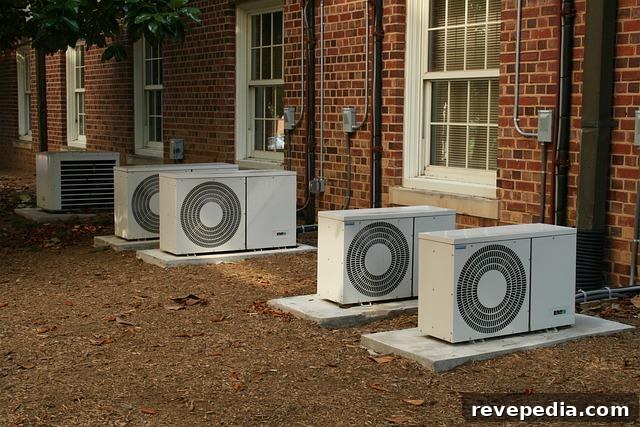
Keeping your home comfortable involves more than just tasteful decor and a well-stocked pantry; it also requires ensuring your heating, ventilation, and air conditioning (HVAC) system operates reliably and efficiently.
Your HVAC system is essential for maintaining livable conditions throughout the year, whether you need cooling in summer or heating in winter. Many homeowners delay HVAC attention until something breaks, which often results in costly repairs and discomfort. Proactive care and basic understanding of the system help you avoid those situations.
Regular inspections and maintenance allow you to detect small problems early and correct them before they escalate. Below are practical, easy-to-follow checks and tips to help you keep your HVAC system running smoothly and efficiently.
Filters
Start by inspecting your air filters. Dirty or clogged filters restrict airflow, forcing your system to work harder, which raises energy costs and accelerates wear on components. Check disposable or reusable filters at least once a month and replace or clean them every one to three months depending on usage, pets, and indoor air quality.
Filters are typically located in the return-air duct or inside the air handler. If the filter appears dusty or discolored, replace it. When selecting a replacement, consider the MERV rating: higher MERV values provide better filtration but must be compatible with your system’s airflow requirements. Clean filters improve indoor air quality and overall HVAC efficiency.
Ductwork
Examine your ducts for dust accumulation, moisture, or signs of pests, all of which can reduce airflow and cause uneven temperatures. Inspect vents for visible dust or damp patches and listen for whistling or rattling noises that may suggest gaps or loose connections.
Small leaks in the ductwork can significantly reduce efficiency. Seal gaps and joints with mastic sealant or HVAC-grade foil tape. If ducts are heavily soiled or show signs of mold or pest infestation, hire a professional duct cleaning service to restore proper airflow and indoor air quality.
Thermostat
Your thermostat governs your HVAC system’s operation. Ensure it is set to the correct mode (heat or cool) and the desired temperature. For battery-powered digital thermostats, replace batteries regularly to avoid unexpected failures. If the thermostat display is unclear or it is unresponsive, consider upgrading.
Programmable or smart thermostats can improve temperature control, reduce energy use, and offer scheduling or remote access. They are particularly useful for households with varying schedules and can contribute to long-term energy savings.
Heat Pump
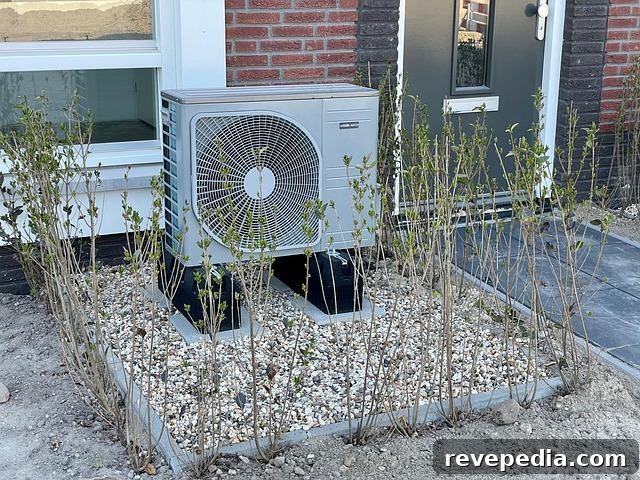
Heat pumps provide efficient heating and cooling by moving heat rather than generating it, often reducing energy consumption compared with traditional systems. When inspecting a heat pump, make sure the outdoor unit is clear of leaves, grass clippings, and other debris that can obstruct airflow.
Routine maintenance such as cleaning coils, checking refrigerant levels, and ensuring proper airflow around the unit helps maintain performance. Keeping a heat pump well-tuned not only improves comfort but can also reduce the system’s environmental impact thanks to its higher efficiency.
Air Conditioner Repair
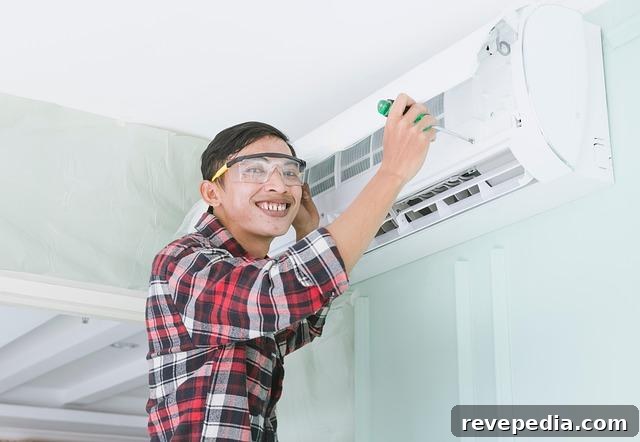
Many minor air conditioner problems can be identified and resolved before they become major repairs. Observe how effectively your AC cools the house. If cooling is uneven or the unit takes a long time to reach set temperatures, check for low refrigerant, blocked coils, or irregular sounds coming from the compressor or blower.
Strange noises, persistent warm spots, or short cycling are signs to call a professional HVAC technician. Prompt repair work can extend the life of your air conditioner and help avoid emergency breakdowns during hot weather.
Condensate Drain
The condensate drain removes moisture produced by cooling. A clogged drain can cause water to back up and damage the surrounding area or components. Locate the drain line near your air handler and check for pooling or slow drainage.
Clearing the line periodically with a mild vinegar solution or water can prevent blockages caused by algae or debris. Keeping the condensate drain clean reduces the risk of water damage and helps your system run reliably.
HVAC Efficiency
Maintaining your HVAC system improves comfort, reduces energy bills, and extends equipment life. Routine checks and timely repairs ensure the system performs at its best, delivering a healthier and more efficient indoor environment.
Simple, consistent actions—like changing filters, sealing ducts, and scheduling inspections—often prevent major issues and costly repairs. Consistent attention keeps your home comfortable year-round.
Insulation
Good insulation reduces the workload on your HVAC system by keeping conditioned air inside and unconditioned air out. Inspect attic, wall, and floor insulation for gaps, settling, or damage.
If insulation is missing or deteriorated, add or replace it where needed. Proper insulation improves comfort, reduces energy consumption, and lowers heating and cooling costs while making your HVAC system more effective.
Seasonal Maintenance
Schedule professional HVAC inspections at least twice a year—typically in spring for the air conditioner and in fall for the heating system. A technician will clean components, check electrical connections, test refrigerant and gas pressures, and lubricate moving parts to optimize performance.
These seasonal tune-ups reduce the risk of unexpected failures and help ensure peak efficiency during extreme weather.
Zoning Systems
Zoning systems use multiple thermostats and dampers to control temperatures independently in different areas of the home. If some rooms are consistently too hot or too cold, zoning can balance comfort and reduce energy waste by conditioning only the spaces you use.
Installing a zoning system is especially helpful in larger homes, multi-story houses, or homes with distinct usage patterns in different areas. It’s an effective way to improve comfort and efficiency without overworking your HVAC system.
Regular attention to these areas—filters, ducts, thermostats, equipment, drainage, insulation, and seasonal inspections—will help you maintain a comfortable, efficient, and reliable home HVAC system for years to come.