A hot, steamy shower on a cold morning is one of those small comforts many of us enjoy. But that steam can cause real damage over time: warped wood and doors, peeling paint, and mold or mildew growth from lingering moisture.
A bathroom exhaust fan is the best defense against that moisture. Experts recommend running the fan for about 20 minutes after a shower to clear residual steam and protect surfaces and finishes. For busy mornings, though, it’s easy to forget to switch the fan off—or to remember to switch it on for long enough. An exhaust fan timer solves that problem by automatically running the fan for a set period after you turn it on.
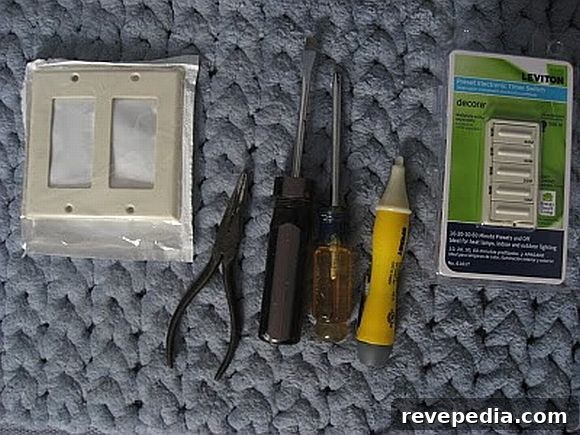
Installing a timer is straightforward if you have basic tools and take safety precautions. Commonly available timers are designed to fit into a standard switch box and require typical hand tools: a voltage tester, Phillips- and flat-head screwdrivers, needle-nose pliers, and a larger face plate if the timer is bigger than the original switch. Make sure the timer you choose is compatible with your fan’s voltage and the wiring in your home.
Before doing any electrical work, turn off the power at the breaker and verify the circuit is dead with a voltage tester. This step is crucial to avoid shock. After removing the switch plate, use the tester on the switch terminals and wires to confirm there is no live current.
With the power off, remove the existing switch by disconnecting its wires. Most timer kits include wire nuts to join existing wiring to the timer’s wires. Typically you will connect the line (hot) and load wires from the timer to the corresponding wires in the switch box. Follow the timer manufacturer’s wiring diagram carefully to ensure correct connections.
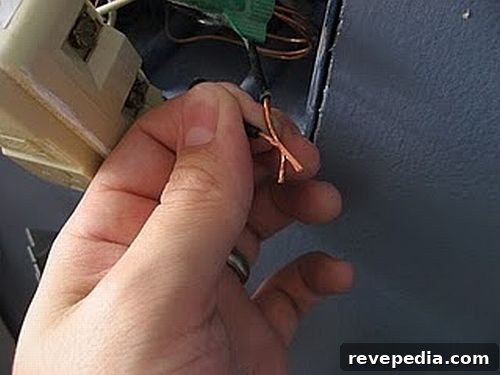
Most timers also include a green grounding lead. Splice the timer’s green wire to the bare copper or green grounding conductor inside the switch box. Use an appropriately sized wire nut and ensure the connection is secure. Gently fold the wires back into the box, mount the timer to the gang box with the supplied screws, and attach a compatible face plate. Restore power at the breaker and test the timer: turn the fan on, and confirm the timer runs the fan for the selected duration and shuts it off automatically.
Installing a timer not only adds convenience but helps prolong the life of bathroom finishes and reduces the risk of mold by ensuring adequate ventilation after each use. If you’re uncomfortable working with electrical wiring, hire a licensed electrician to perform the installation.
Have you installed an exhaust fan timer in your home? Would you recommend one to others?
Photos courtesy of At Home Alterations