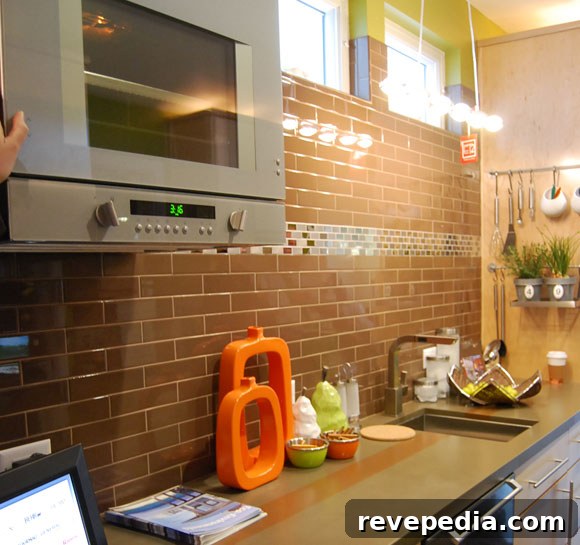
Subway tile remains a dominant trend in kitchens and bathrooms. This article has been updated with the latest information, including popular subway-tile bathroom looks and options for glass subway tile.
Subway tile is a favorite for remodels because of its clean, classic appearance, but finding the right tile and installing it correctly can take more planning than it appears. While the traditional look is white, subway tiles are available in a wide range of colors — red, green, blue and glass finishes are popular choices for a contemporary or playful update.
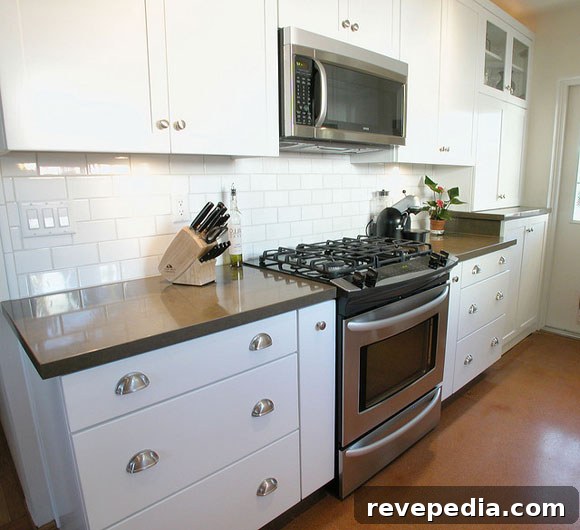
You can also combine subway tile with other tile styles for a layered look, as shown in the kitchen from the Osprey Eco-Cottage. Mixing textures, sizes and colors can create a custom, personal design while keeping the clean lines that make subway tile so appealing.
Subway Tile Resources
Because subway tile has become so popular, inspiration is easy to find — from home and shelter magazines to design websites. Some of the best ideas come from everyday places: take note of tile installations in friends’ homes, restaurants, bars and other commercial spaces. If you see a layout, color or finish you like, take a photo and show it to your designer or bring it to a tile showroom for reference.
Subway tile is also widely used in commercial applications, so showrooms often have many real-world examples. Seeing a finished installation up close helps you evaluate grout color, tile sheen and layout patterns before committing to a full project.
Subway Tile Installation
Installing subway tile follows the same general procedures as other ceramic tile work, but precision is important to retain the classic, orderly appearance. Start by establishing level reference lines across the wall using a reliable level. These measurements should be exact — avoid relying on countertops or cabinets as reference points because they may not be perfectly level.
Plan your layout carefully to determine how much tile you’ll need and where cuts will be required at edges and fixtures. Dry-fit the tiles to confirm the pattern and spacing before applying any adhesive.
For setting tiles, you can use traditional dry-set mortar or newer adhesive products that simplify installation and reduce mess. In some cases a level support board or ledger may be necessary to keep lower rows from slipping while the adhesive cures.
Use a small tile saw or tile-cutting tool to make precise cuts for edges and around obstacles. After tiles are positioned, gently tap them into place with a mallet and a wood block (such as a wrapped 2×4) to ensure good contact with the adhesive and an even plane across the installation.
Install trim pieces around tile edges where appropriate and confirm they fit cleanly and align with the tile pattern. Once the adhesive has fully cured, grout the joints with the grout color you selected. After grout has set, seal it with a suitable grout sealer to protect from stains and moisture, and finish by caulking transitions where tile meets tubs, vanities, or walls with a silicone caulk designed for wet areas.
If a DIY installation seems overwhelming, consider hiring a professional. Online directories and review sites can help you find qualified tile installers and contractors with local references and ratings.
For those ready to begin, large home improvement retailers and specialty tile suppliers offer a wide selection of subway tile styles, grout and installation accessories to match your design and budget.