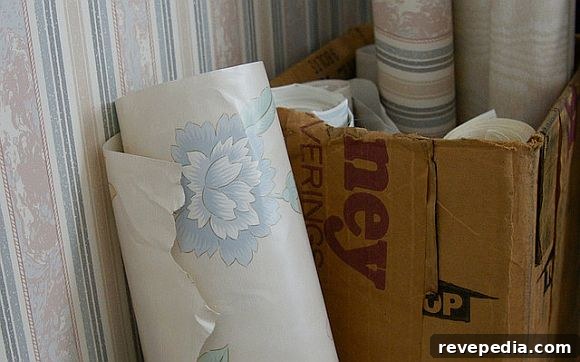
Wallpaper removal is one of those DIY projects that can range from straightforward to downright frustrating. How easy it is depends on how the wallpaper was originally applied and whether there are multiple layers or paint underneath. With the right tools, technique, and a little patience, you can save your walls and avoid starting from scratch.
Materials
– Scorer (wallpaper perforating tool)
– Wallpaper remover (store-bought or homemade)
Preparation
Before you begin, clear the room or cover furniture and floors with drop cloths. Turn off electrical outlets and switches, or cover them with painter’s tape and plastic to prevent moisture from entering. Work in small sections so the remover doesn’t dry before you can strip the paper.
Step-by-step Tips
– Score the wallpaper gently: Use a scorer to create tiny perforations in the paper. This helps the remover soak through to the adhesive and loosens the bond between the wallpaper and the wall.
– Apply remover: You can use a commercial wallpaper remover or a DIY solution. Apply evenly with a sponge or sprayer and let it sit according to the product instructions so the adhesive softens.
– DIY remover option: A common homemade solution is a mix of fabric softener and hot water. This can be effective on single-layer paper and light adhesives, and it leaves a pleasant scent. It’s less likely to work on multiple layers, heavy glue, or paint-sealed surfaces.
– Use steam for stubborn areas: If the paper won’t budge, apply steam. A handheld steamer works best; alternatively, a steam iron set to the steam function can help. Hold it close enough to introduce moisture and heat without damaging the wall, and then peel the paper away as the adhesive softens.
– Work carefully on delicate walls: If your plaster or drywall is fragile, avoid aggressive scraping. Soften the adhesive first and use a wide, flexible scraper to minimize gouging.
Dealing with Multiple Layers
If you discover more than one layer of wallpaper or layers of paint beneath the paper, you may need stronger commercial removers and more time. Multiple layers often require repeated application of remover and extra scoring or steaming. Be prepared for a more labor-intensive process and consider consulting a professional if the underlying surface is in poor condition.
Finishing Up
After the wallpaper is removed, clean the wall thoroughly to remove residual adhesive using warm water and a mild detergent or the recommended cleaner from your remover’s instructions. Allow the wall to dry completely before patching, sanding, priming, or applying new paint or wallpaper.
Have you recently removed wallpaper? Share your techniques and lessons learned—tips from real projects often make the job easier for others.
Photo: Flickr.com/nauright