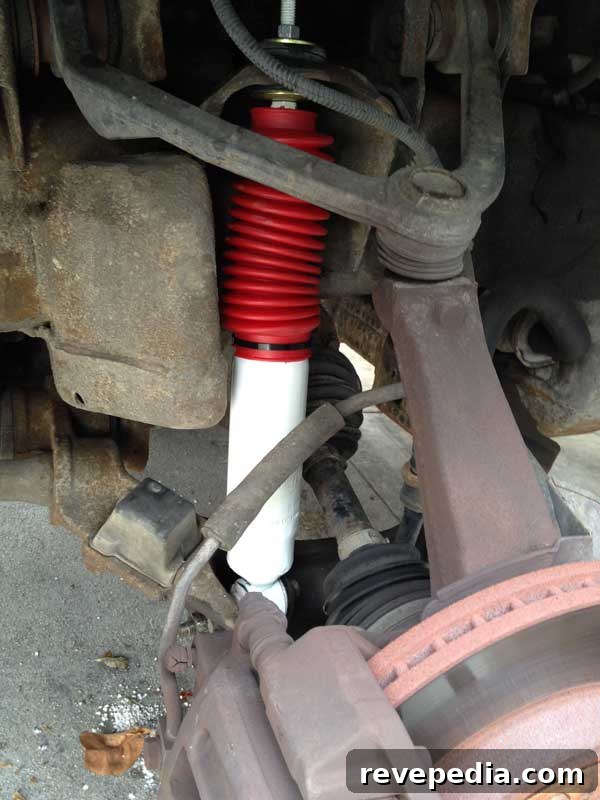
My truck is approaching 150,000 miles. It still runs strong, but to keep it that way I decided to do a full 150k inspection. One of the top items on my list was replacing the shock absorbers.
Shocks wear out gradually and then suddenly fail. Because my F-150’s suspension is fairly stiff, I didn’t notice the decline immediately. However, after a recent trail drive through rough Utah terrain, it became clear the original shocks were shot—no surprise given they were the factory units and had never been replaced.
Good shocks not only improve ride quality but also reduce wear on suspension and steering components by limiting excessive movement and stress.
I checked F-150 forums and found the replacement job is generally straightforward, but I also wanted to compare local shop pricing. Big O Tires quoted $600 to install KYB shocks on all four corners, parts and labor included.
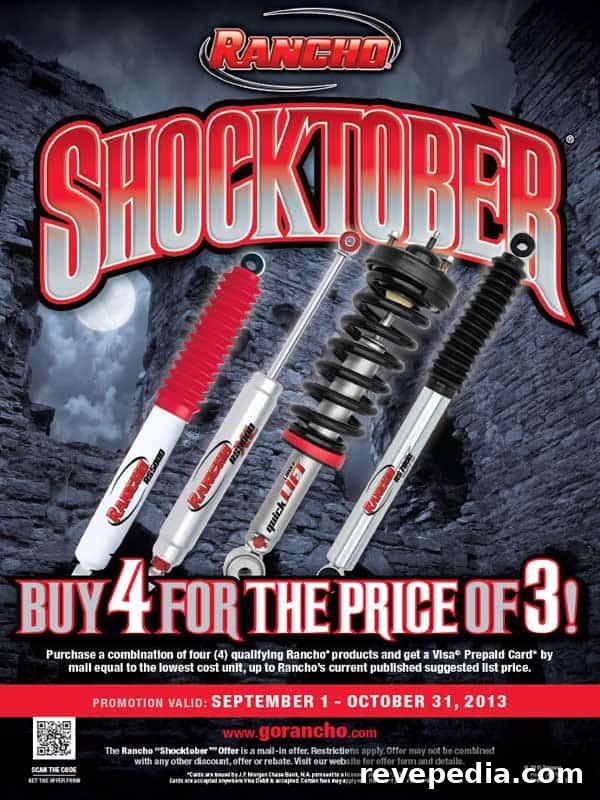
That price was higher than I was willing to pay. KYB is a decent brand but not in the same conversation as top-tier options like Bilstein. Years ago I had installed Rancho shocks on a 1970 Bronco with great results, so I was happy to see Rancho running a rebate promotion.
The promotion, branded “Shocktober,” was effectively a buy-three-get-one-free deal. I chose Rancho RS5000 shocks, found a competitive price online, claimed the rebate, and installed them myself—saving over $400 compared with the shop quote.
Removing the old shocks was straightforward. The front mounts were easy to access. As always, support the truck securely on jack stands—do not rely solely on a floor jack.
Spraying the shock mount bolts with a penetrating lubricant such as WD-40 and letting it sit for a few hours makes loosening them much easier.
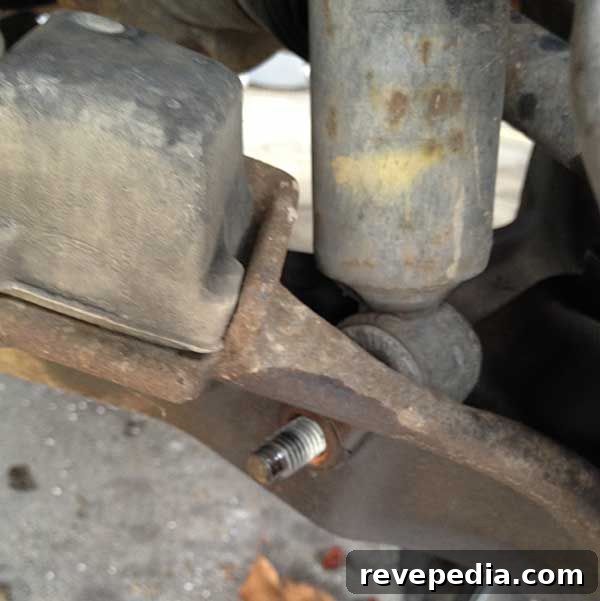
The front shocks are secured by a nut on the top stud and a bolt through the lower eyelet that mounts to the frame. Both fasteners are accessible; the top nut requires holding the piston shaft with a second wrench while loosening or tightening.
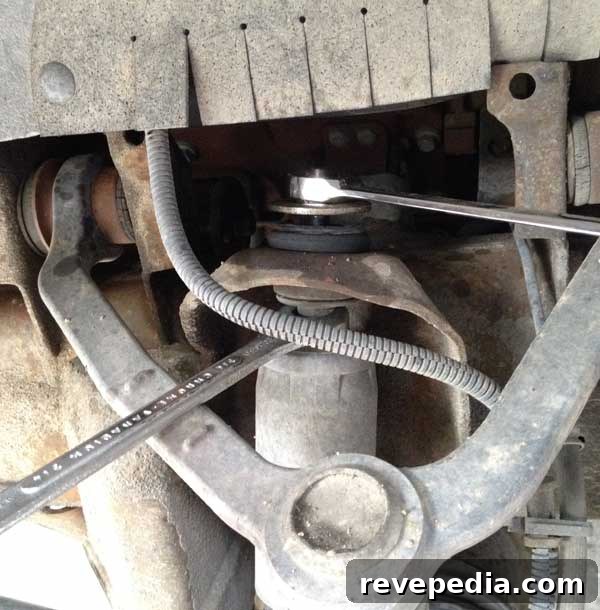
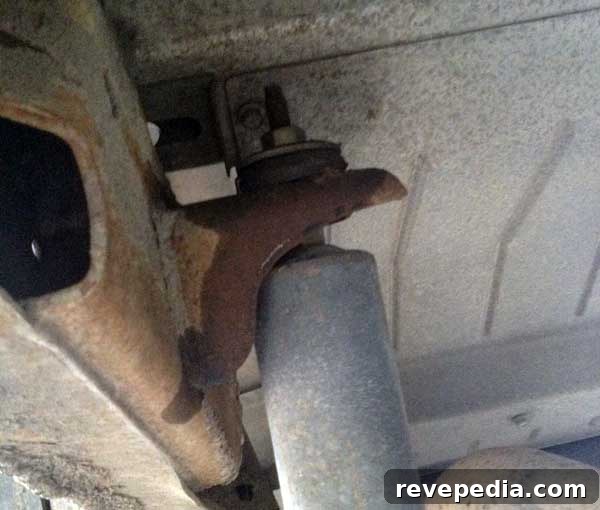
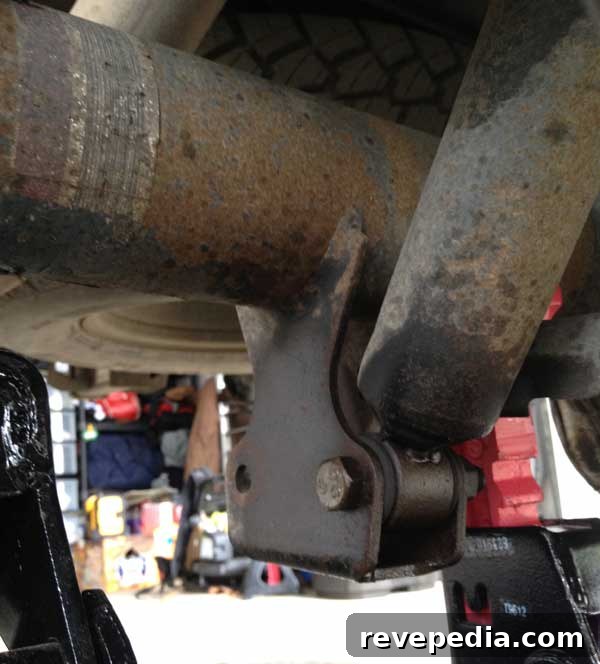
The rear shocks were more challenging because the top mount is harder to reach beneath the bed, squeezed between the frame and body. A thin, angled box wrench helps, and patience pays off—eventually the bolts come free.
The trickiest part of the job was aligning the wheels to the lug studs and getting the lug nuts started again, but that’s normal—especially when working alone. The savings and the satisfaction of completing the job myself made it worthwhile.
The difference on the road was immediate. While the truck still feels firm, the RS5000s brought the chassis closer to the pavement and smoothed out bumps. Highway vibrations and occasional rattles diminished noticeably.
If you’re on a budget and need a solid replacement, Rancho RS5000 shocks are a good value. If you want more adjustability for fine-tuning ride characteristics, consider stepping up to the Rancho RS9000 models, which offer multiple damping settings.
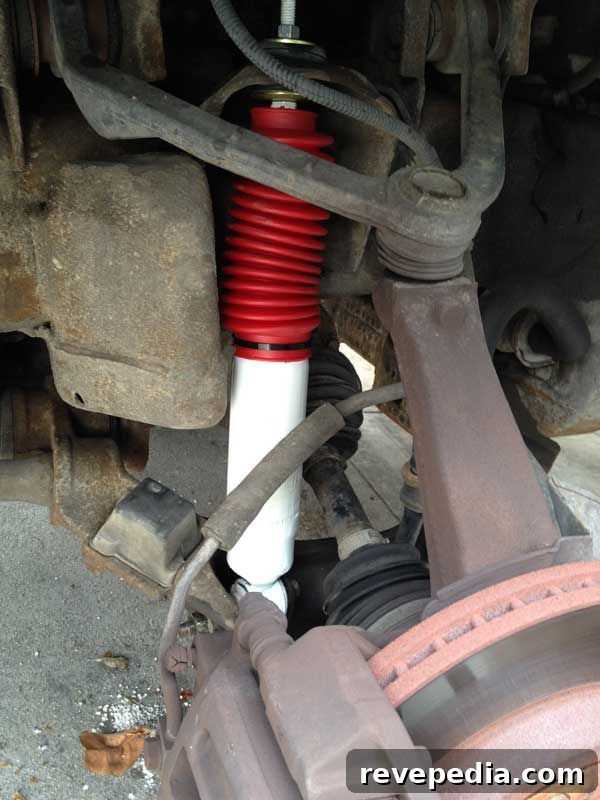
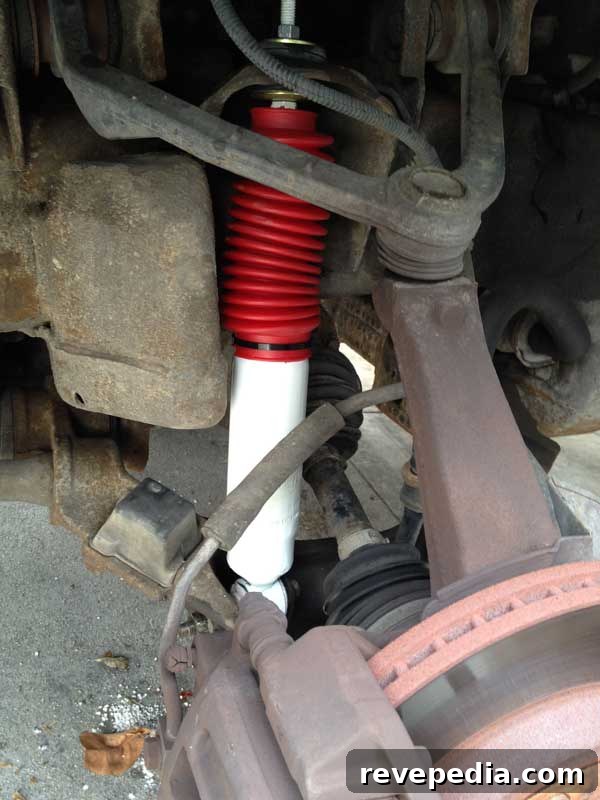
Installed Rancho RS 5000 shocks