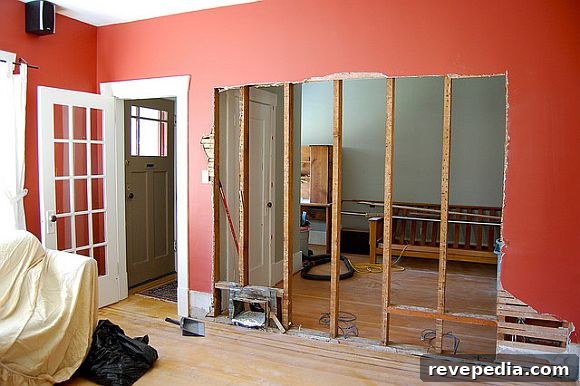
A fresh coat of paint or a new faucet can transform a room, and smaller home improvement tasks are often straightforward for most DIYers. But when it comes to larger projects—like installing hardwood floors, replacing or updating kitchen cabinets, or retiling a bathroom—the stakes and complexity rise. How do you know where to begin and which tasks you can confidently handle yourself?
The internet makes initial research easy. Reputable sites provide step-by-step guides, lists of required tools, and cost estimates that give you a realistic idea of what a project entails. These online resources are excellent for learning techniques, understanding project scope, and preparing a materials and tools list before you start.
If you prefer hands-on learning, many national hardware retailers, such as The Home Depot and Lowe’s, offer in-store workshops that cover a range of projects and often tailor instruction to regional climate and typical local conditions. These classes can be especially useful for gaining practical skills and asking specific questions in person.
Don’t overlook locally owned hardware stores. While they may not always host formal workshops, staff are frequently experienced and can recommend the right tools, materials, and practical tips based on local building practices. Their advice can save you time and help you avoid common pitfalls.
From reading a wide range of house blogs and project journals, one consistent piece of advice emerges: the best way to learn is to dive in and get your hands dirty. Your first attempts may include mistakes and the finished result might not be flawless, but completing a project teaches valuable skills and builds confidence for future work. The learning curve is part of the process, and each completed project makes the next one less intimidating.
That said, recognize when a project exceeds your comfort level. Large-scale renovations, or work involving electrical systems, plumbing, or structural changes, often require permits and professional expertise to meet safety codes and regulations. In those cases, consider hiring a licensed contractor for the dangerous or technically complex portions while taking on simpler tasks yourself. Balancing DIY enthusiasm with professional help when appropriate is a smart way to protect your home and your investment.
Whether you’re refinishing a room or planning a major remodel, start with research, get hands-on practice when possible, and ask for professional help when the job demands it. What has been your biggest DIY triumph so far? Share your experiences and photos if you’d like—many readers enjoy seeing real-life projects and learning from others’ successes and challenges.
Photo: Flickr.com/kpwerker