Searching for ways to garden more sustainably while reducing kitchen waste? Your coffee maker can be a surprisingly valuable tool—used coffee grounds make excellent fertilizer, compost material, slug deterrent, and worm food.
Below are practical, easy-to-follow ways to use coffee grounds in your yard and garden. These methods are simple, cost-free, and help close the loop on organic waste.
Add grounds directly to garden soil
You can lightly scratch used coffee grounds into the top inch of soil or simply sprinkle them across the soil surface. The grounds improve soil structure, add organic matter, and slowly release nutrients as they break down.
Use grounds as a barrier against slugs and snails
Sprinkle grounds around plants that are vulnerable to slug and snail damage. The texture is abrasive and slightly acidic, which can discourage these pests from crossing the barrier and protect tender foliage.
Feed acid-loving plants
Plants that prefer acidic soil—such as rhododendrons, azaleas, blueberries, and gardenias—can benefit from occasional applications of coffee grounds. The mild acidity and organic matter can encourage stronger growth and more abundant blooms. Apply sparingly and monitor plant response; you can fertilize this way regularly but avoid over-application.
Make a coffee “tea” for watering
Collect a few days’ worth of used grounds in a bucket, add water, and let the mixture steep overnight. Strain or allow grounds to settle, then use the liquid to water potted plants or garden beds. This makes a gentle, ready-to-use liquid fertilizer that’s easy to apply with a watering can.
Add grounds to your compost
Used coffee grounds are a great “green” (nitrogen-rich) component for compost piles—comparable to grass clippings in nitrogen content. Worms love coffee grounds, and they help the composting process when balanced with “brown” (carbon-rich) materials like dry leaves, straw, or shredded paper. Add a layer of grounds, then cover with brown material to avoid compacting and to control moisture.
Storage and safety tips
Always let fresh coffee grounds cool to room temperature before adding them to soil, pots, or compost; warm grounds can create anaerobic pockets and harm plants. Use grounds in moderation and mix them into soil or compost where possible to avoid surface crusting. If you don’t brew coffee at home, many cafés and coffee shops offer used grounds to the public—call ahead to ask about availability and whether you should bring your own container.
Using coffee grounds in the garden is an effective, low-cost way to reduce waste and improve soil health. If you have other low-waste kitchen tips or creative garden uses for household scraps, share them in the comments.
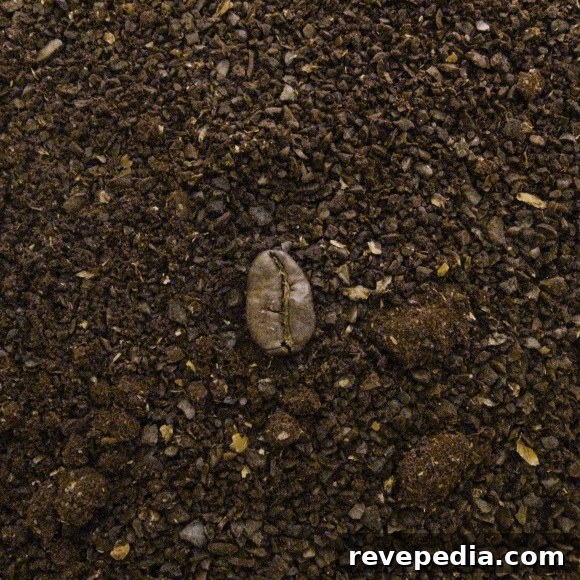
Photo: Flickr.com/photos/timsamoff/3424767877/