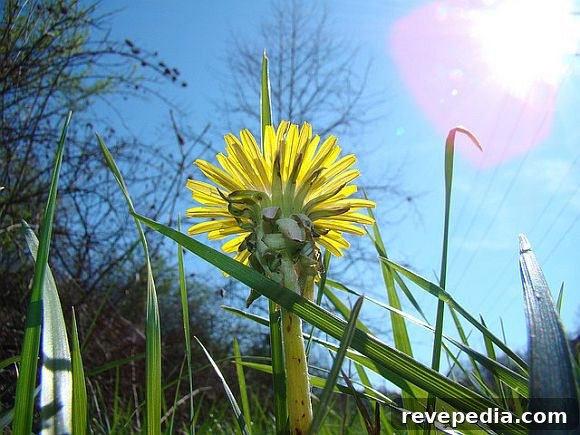
I don’t remember how old I was when I first learned that the bright, sunny dandelions I adored were technically weeds. It always seemed odd that something so cheerful would be lumped into a category that frustrates so many gardeners.
Weeds are a common gardener’s annoyance. While store-bought herbicides are an easy option, there are several alternative methods—some more environmentally friendly—that can help control unwanted growth. The following list compiles practical approaches for dealing with weeds, focusing on simple, household solutions that work well in specific situations.
Effective Ways to Kill and Control Weeds
1. Baking soda: Baking soda is an inexpensive and effective way to prevent weeds from taking hold in hard surfaces. Sprinkle baking soda directly into the cracks of driveways or sidewalks, then sweep it in. The salt-like properties discourage seedlings and can reduce future growth when used regularly.
2. Bleach: Bleach can be useful for stubborn weeds emerging from pavement fissures. Apply a small amount of undiluted bleach directly to the weed foliage and roots, and remove the dead plant the following day. Use caution to avoid surrounding plants and soil you intend to keep, as bleach is a strong chemical that can harm desirable vegetation.
3. A shower curtain as a weed barrier: If you’re preparing a landscaping area for gravel, bark chips, or similar materials, placing an old shower curtain or heavy plastic sheeting over the soil before adding the mulch can effectively block weeds. This creates a physical barrier that prevents weeds from growing through decorative surfaces and helps reduce maintenance.
4. Vodka-based spray: A simple homemade herbicide can be made with household vodka. Mix 1 ounce of vodka, a few drops of liquid dish soap, and 2 cups of water in a spray bottle. Spray this solution on weeds that receive direct sunlight. The alcohol helps desiccate the foliage, while the soap improves coverage. Note: this method is less effective on weeds in shaded, moist areas and should be applied carefully to avoid harming nearby plants.
5. WD-40: WD-40 can kill certain tough, prickly weeds when sprayed lightly on foliage. For species like Russian thistle and other tough-stemmed plants, a thin coat of WD-40 causes rapid decline. Use this sparingly and avoid spraying near desirable plants or in areas where you want healthy soil life to persist, as petroleum-based products can affect soil and nearby vegetation.
These approaches offer a range of options depending on where weeds appear and how environmentally cautious you want to be. For paved areas, baking soda and bleach are convenient; for landscaped beds, physical barriers like shower curtains beneath mulch are low-impact solutions; and for targeted spot treatments, homemade sprays or specific household products can be effective when used responsibly.
If you have other successful, safe weed-control techniques, share them with fellow gardeners—practical tips from experience are always welcome. Photo credit: Flickr.com/jefgodesky