
When I began researching ways to make my home more energy-efficient, I was surprised by how much heating technology has advanced. Not long ago, a programmable thermostat was considered cutting edge. Today, innovations have gone far beyond that, and there are many options to consider when upgrading home heating.
The Shift from Conventional Home Heating Systems
For decades, traditional heating systems powered by natural gas or oil were the default choice for most households. I grew up with a gas furnace: it kept the house warm, but it wasn’t very efficient. Once I moved into my own home, I discovered a wider range of modern alternatives that are more efficient and often more environmentally friendly.
Environmental concerns are a major reason many homeowners are switching systems. As awareness of climate change grows, more people prioritize solutions that reduce their carbon footprint. In many regions, government incentives—such as rebates and tax credits—have made these eco-friendly heating options more affordable, improving the return on investment for homeowners.
Consulting with local HVAC professionals can help you understand which solutions suit your home best. Experienced contractors can evaluate your property, explain the trade-offs between systems, and recommend the most cost-effective and energy-efficient upgrades tailored to your needs.
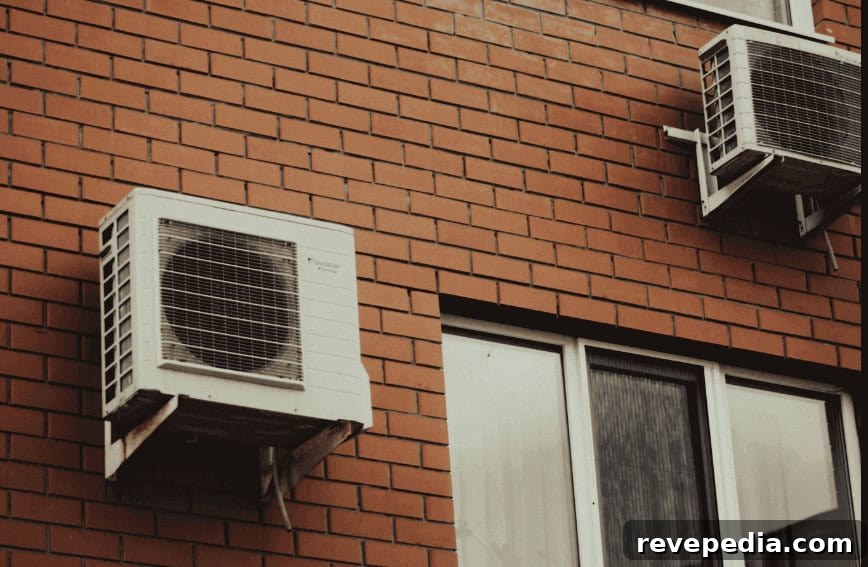
Heat Pumps: Efficiency at Their Best
Heat pumps have become one of the most appealing advances in residential heating. Rather than generating heat by burning fuel, a heat pump transfers heat from one place to another. In winter, it extracts heat from outdoor air (even in cold weather) and moves it indoors; in summer, it can reverse and provide cooling. This dual function, combined with high efficiency, often results in lower energy bills and reduced emissions compared with conventional furnaces.
Underfloor Heating: Comfort from the Ground Up
I installed underfloor heating early on, and it transformed daily comfort. On a cold winter morning, warm floors make a big difference. Underfloor systems distribute heat evenly across a room, eliminating cold spots and removing the need for forced-air blasts from vents. The result is consistent, quiet warmth and improved comfort in bathrooms, kitchens, and living areas.
Geothermal Heating: Tapping Stable Underground Temperatures
Geothermal systems use the Earth’s stable underground temperature as a heat source in winter and a heat sink in summer. While I haven’t installed one myself, a friend who did reports significant long-term savings and low environmental impact. Geothermal systems typically have higher upfront costs due to ground loop installation, but they offer excellent efficiency, durability, and low ongoing maintenance, which can make them cost-effective over the system’s lifetime.
Because geothermal units often last longer than conventional HVAC systems and require fewer repairs, homeowners can benefit from reduced service costs and predictable performance over many years.
Smart Thermostats: The Brains Behind Modern Heating
Smart thermostats are an easy upgrade with meaningful benefits. These devices learn household routines, automatically adjust temperature settings for comfort and efficiency, and enable remote control via smartphone. Many models integrate with voice assistants and provide detailed energy usage reports, helping you identify patterns and reduce waste. Being able to change your home’s temperature before you arrive or to let the system optimize while you’re away can noticeably lower energy bills.
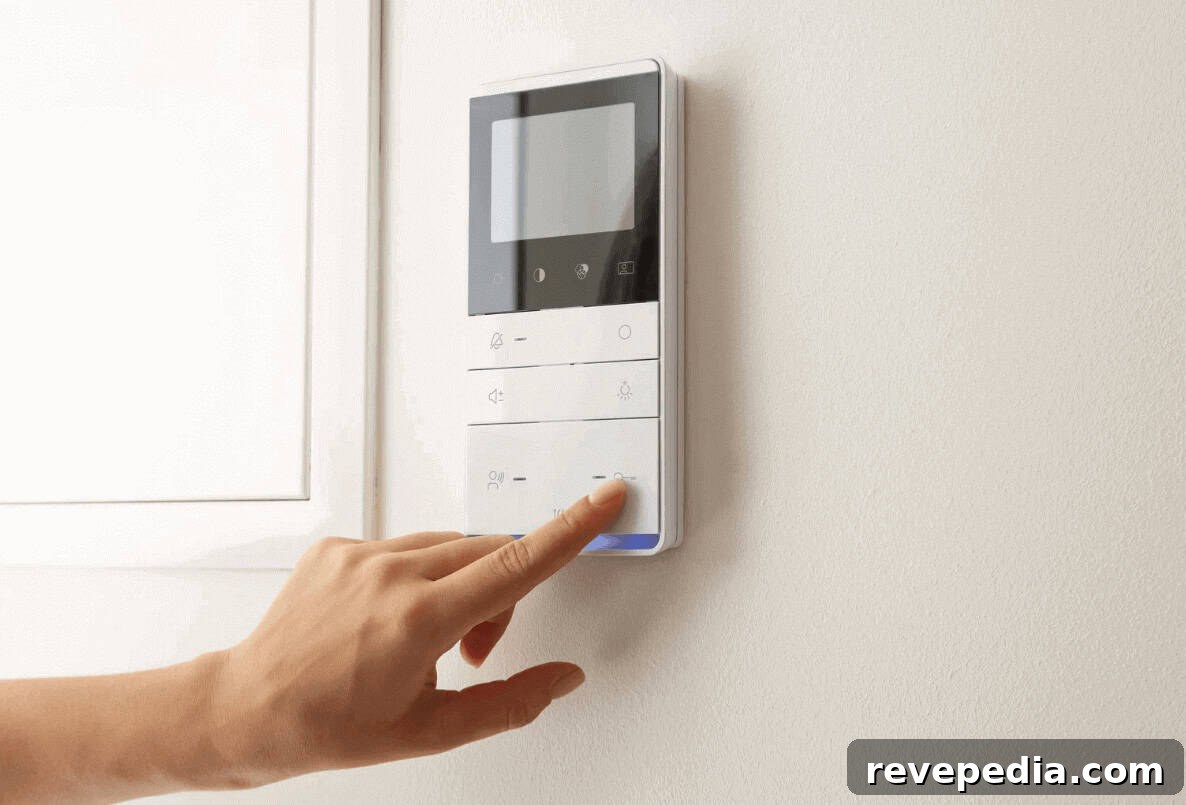
Solar Thermal Systems: Using Sunlight for Heat
Solar thermal technology captures sunlight to heat water or air that can then warm your home or supply domestic hot water. This approach is particularly effective in sunny climates and helps reduce dependence on fossil fuels. While the initial investment varies depending on system size and installation complexity, solar thermal systems can significantly lower energy costs for heating over time.
Concluding Thoughts
Advances in home heating technologies have opened up a range of energy-efficient and sustainable options that were uncommon just a few years ago. Although some systems require larger initial investments, their efficiency, lower operating costs, and reduced environmental impact often make them worthwhile. Whether you choose a heat pump, underfloor heating, geothermal system, smart thermostat, or solar thermal solution, modern heating technologies can deliver greater comfort, savings, and a smaller carbon footprint.
My own experience experimenting with these technologies confirms how transformative they can be for daily comfort and long-term energy use. As innovations continue, homeowners have more opportunities than ever to create warmer, more efficient, and more sustainable living spaces.