An unexpected perk of my work has been the chance to see American manufacturing up close. Last week I visited Troy, Ohio for an exclusive tour of the Clopay garage door manufacturing plant.
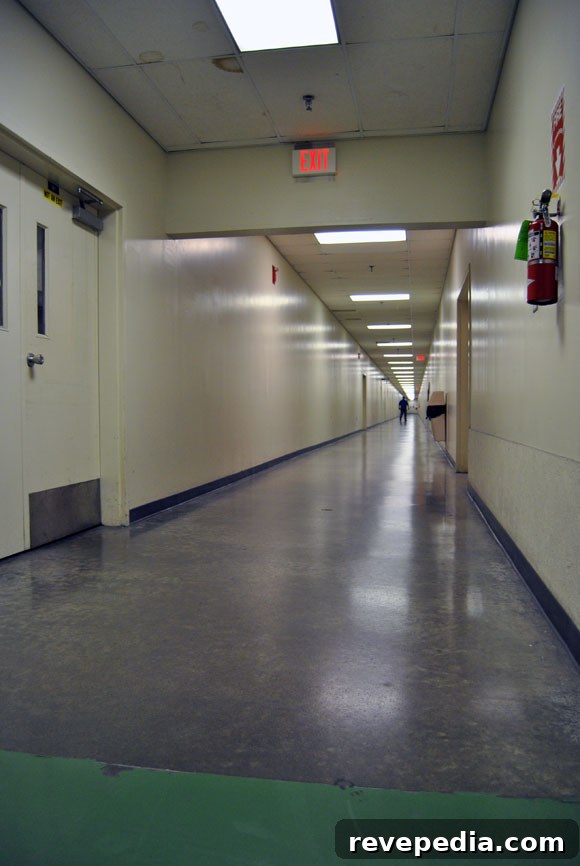
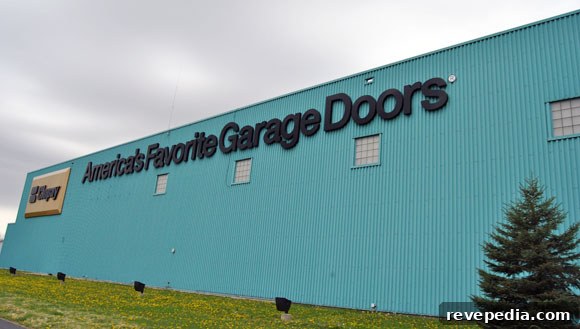
This was my first trip to the Miami Valley region. After flying into Dayton I drove about 20 minutes north to Troy. The Clopay factory is unmistakable—sitting right off the main freeway and painted a distinctive teal. The facility is nearly one million square feet; the previous occupant, Panasonic, once made tube televisions there. I appreciated the bold color choice and admired Clopay for keeping the building unique rather than repainting it like so many corporate sites.
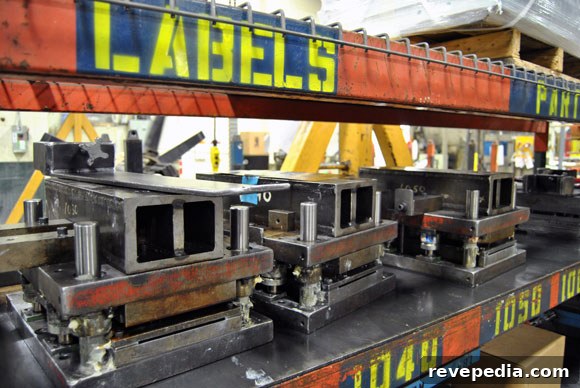
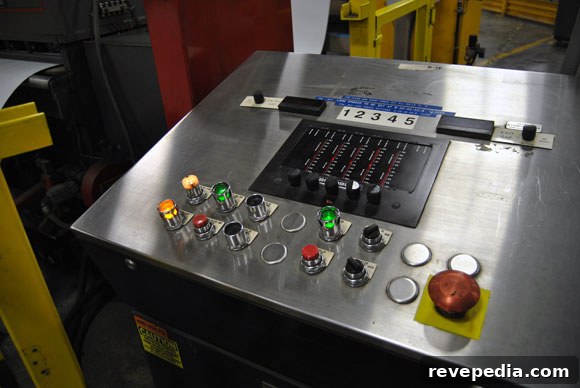
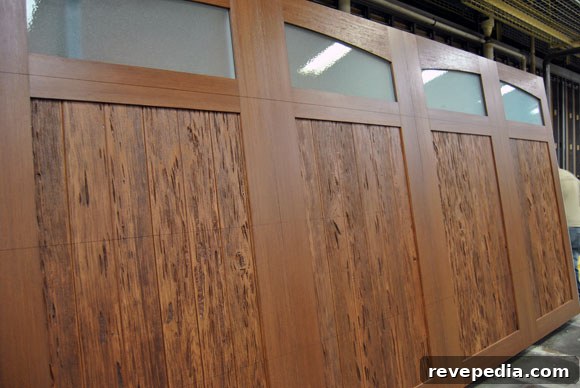
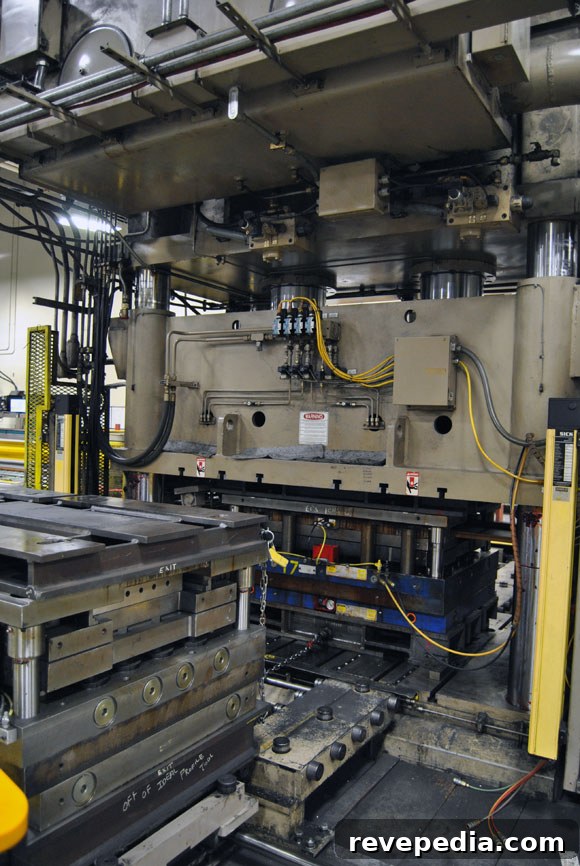
Clopay welcomed me warmly and walked me through the process of building a steel garage door. While the steps are straightforward, Clopay has spent decades refining techniques and continually innovating in materials and design.
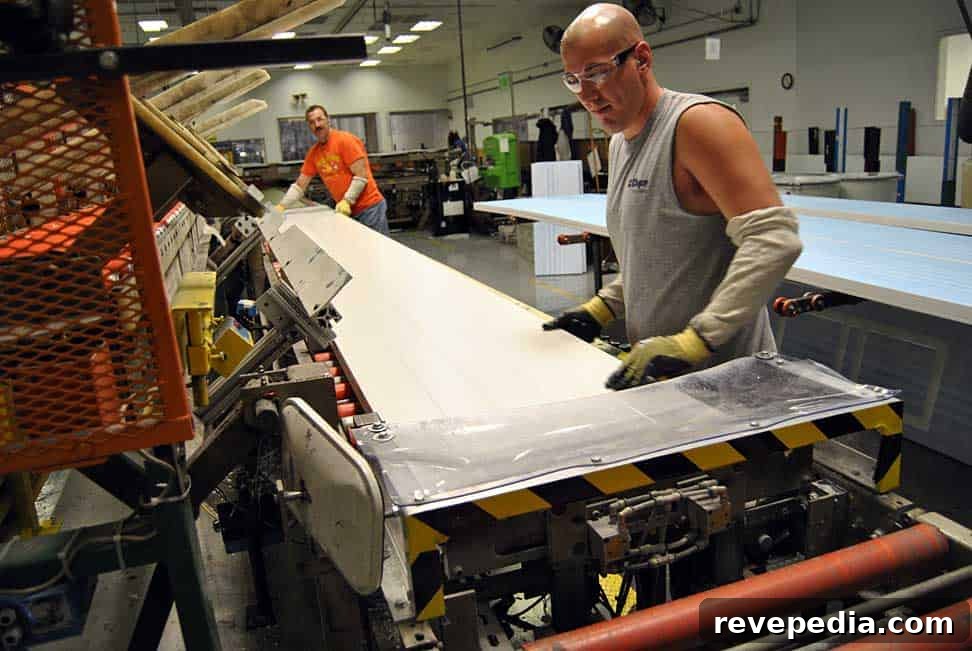
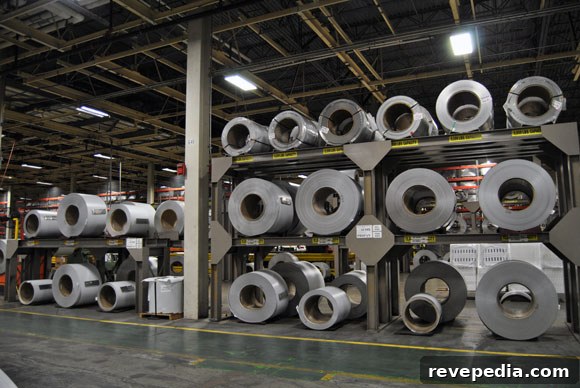
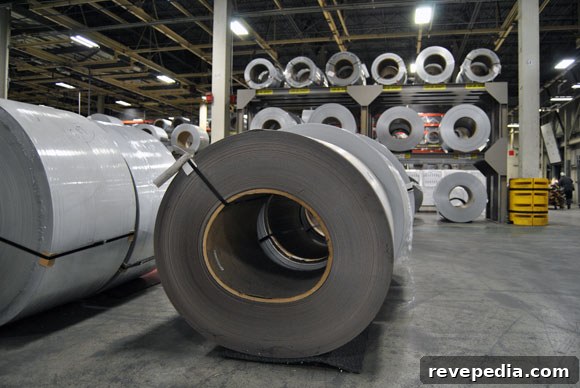
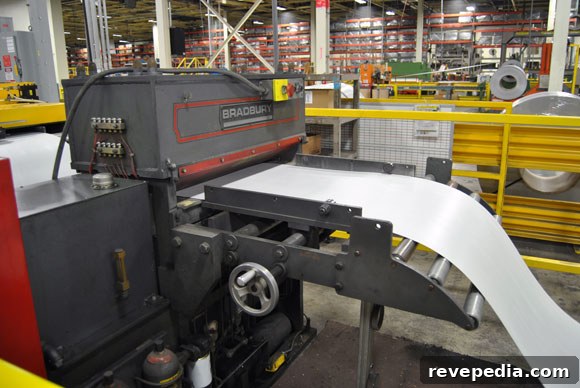
A steel garage door starts as a roll of steel that unwinds like thread from a spool. As the steel unwinds, it passes through equipment that smooths it and checks for wrinkles or deformities.
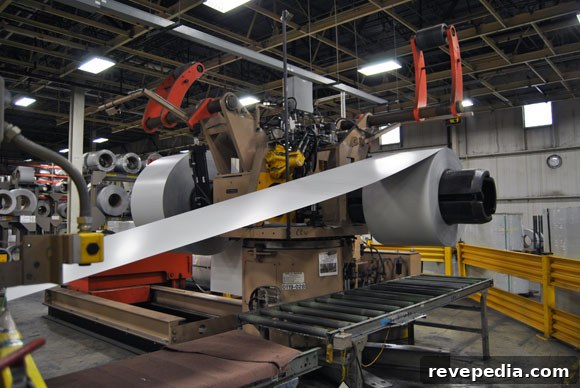
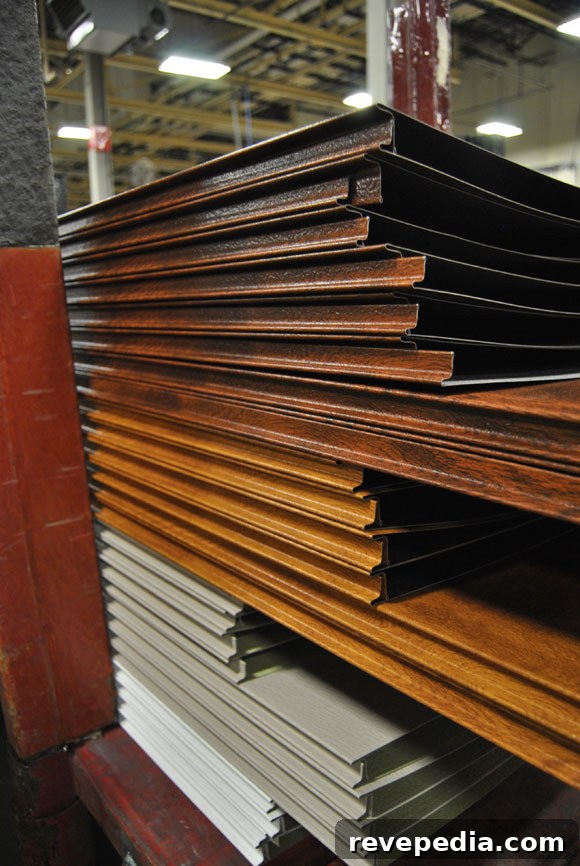
Next the steel is guided through a machine that progressively shapes its edges by running it along guides set at increasingly sharp angles. Working the metal gradually prevents tearing or weakening the sheet.
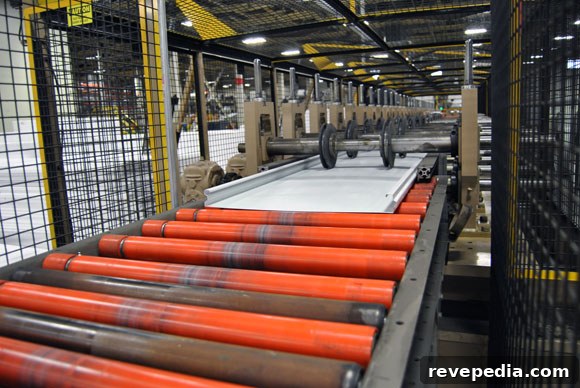
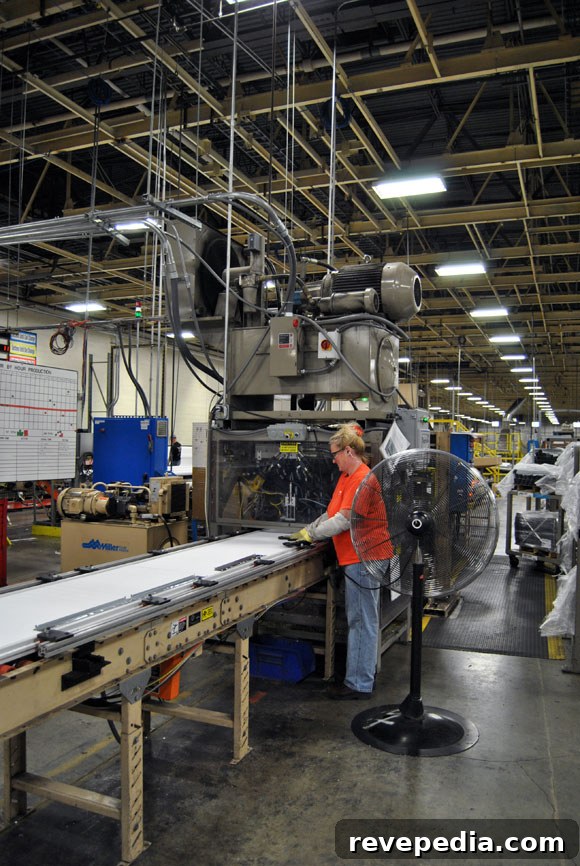
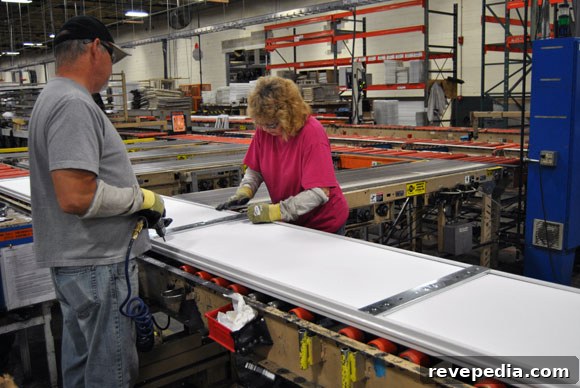
After forming, each panel is either prepared for insulation or moved down the line to receive hardware and mounting brackets.
Clopay offers two insulation options that differ in cost and performance. Polystyrene is the economical choice: pre-cut foam inserts fit into the panel cavities and are secured in place. While they don’t fill the entire cavity, they provide a noticeable improvement in thermal performance.
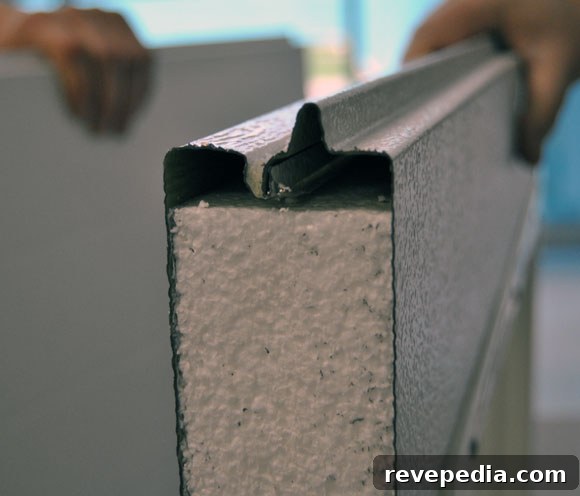
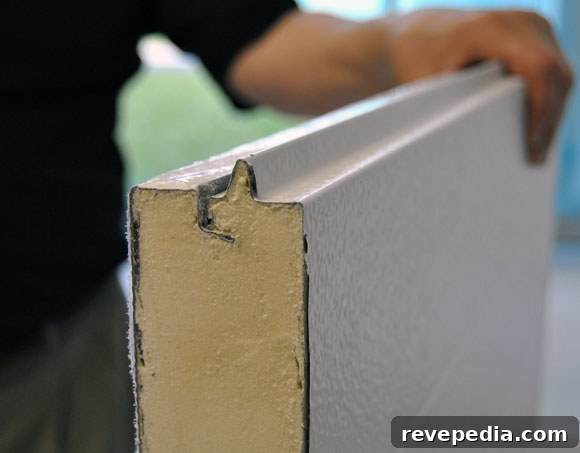
The higher-performance option is spray-applied polyurethane foam. It expands to fill the entire panel cavity and bonds the two steel skins together, creating a strong, insulated composite. R-values for these polyurethane-insulated doors range from about 6.5 up to 18.4, among the highest in the industry.
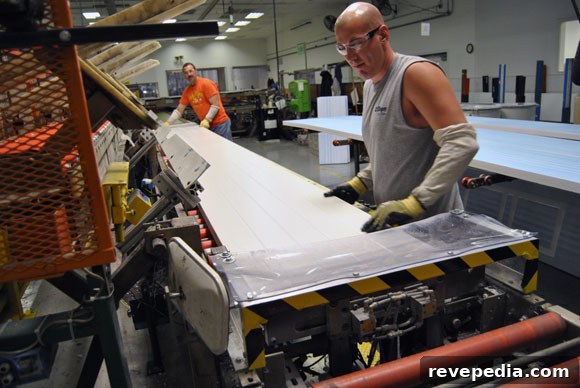
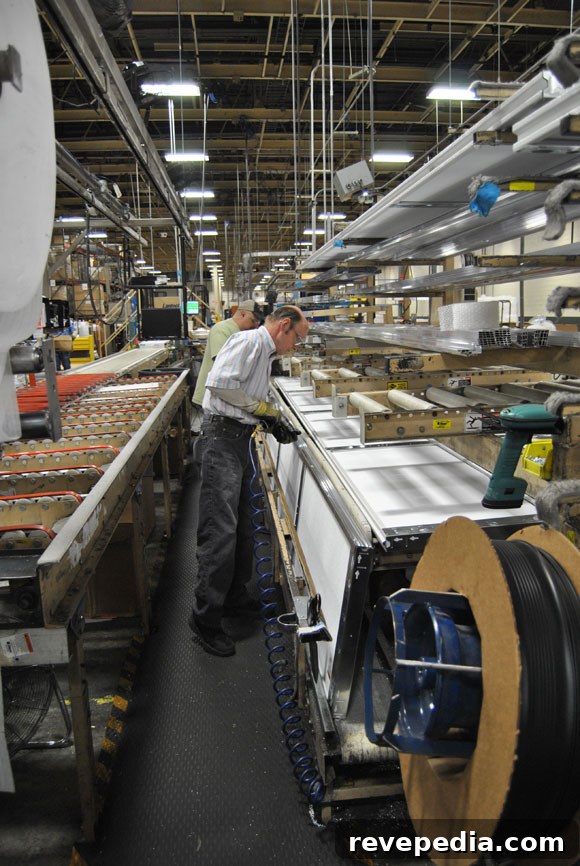
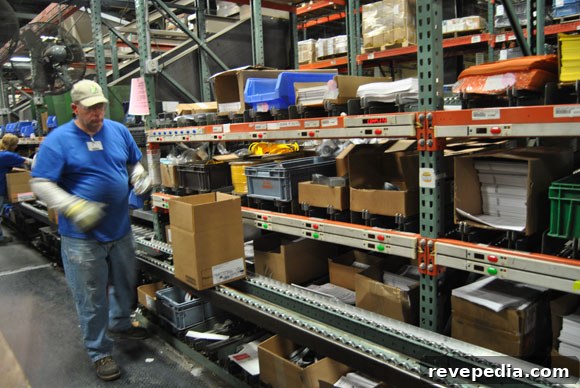
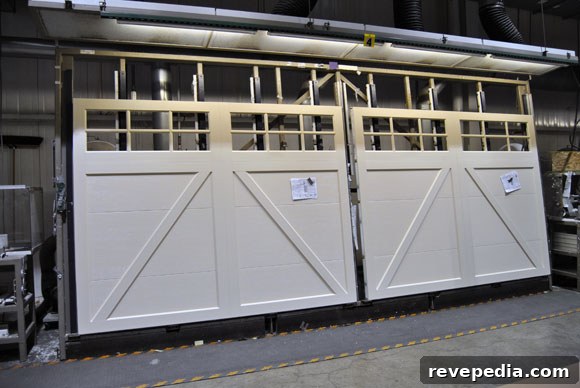
With insulation in place, the door receives final components: a rubber weather seal along the bottom, springs, brackets, and any additional hardware required for the specific order. Every door is built to the customer’s chosen design, color, insulation level, and hardware configuration.
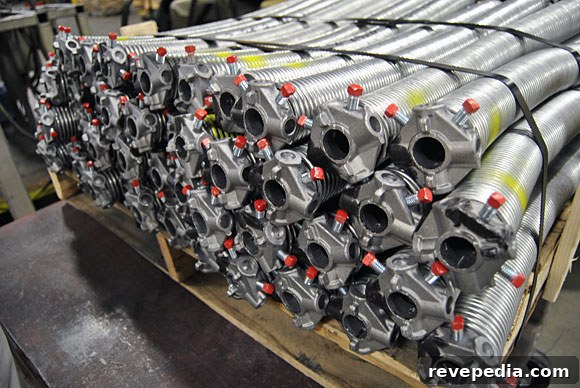
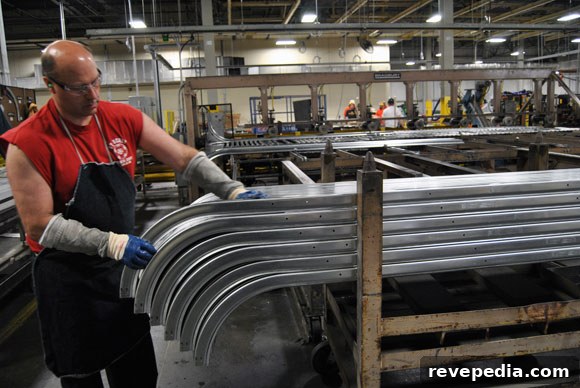
Because each door is customized, Clopay keeps very little finished inventory. That custom, made-to-order approach creates a highly efficient, lean operation.
Beyond equipment and processes, the people at Clopay are what make the plant run smoothly. Long employee tenure speaks volumes, and Clopay has many team members with decades of service. I met Ali, who has worked at Clopay for 47 years. He still enjoys driving the forklift and assembling doors every day.
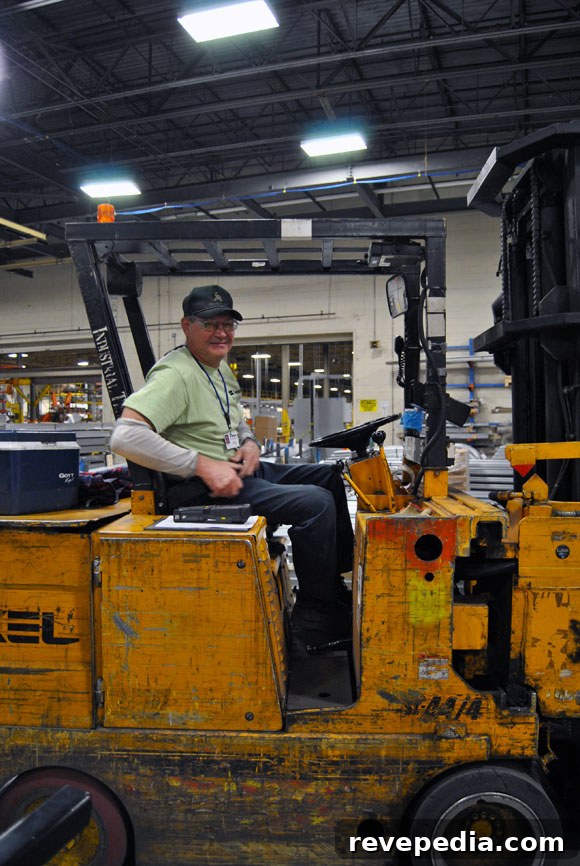
I also met many employees with 20 or more years at the company; several relocated to stay when Clopay consolidated manufacturing into this single plant five years ago. That level of dedication is rare, and it suggests Clopay has built a workplace that motivates and retains skilled workers.
Thank you to the Clopay executives who guided the tour and answered my questions—your knowledge of the operation made the visit informative and engaging.
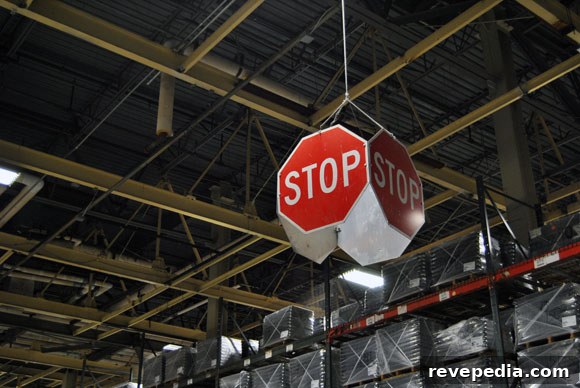
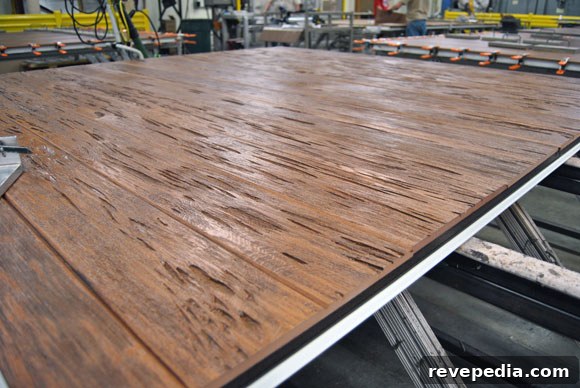
Below are additional photos from my visit. The full set is available on our Facebook page.