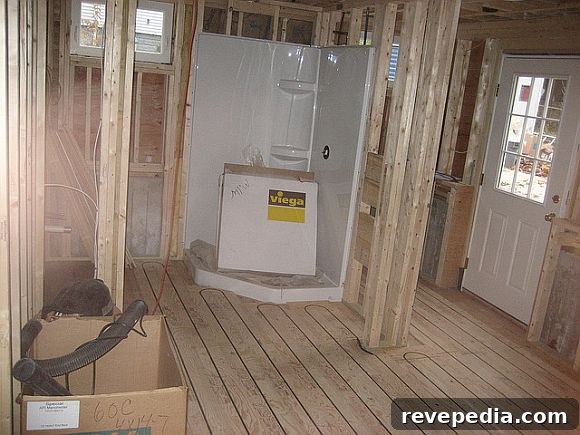
Most homeowners rely on forced-air systems for heating and cooling, but radiant heating is gaining popularity for its more even warmth, greater energy efficiency, and potential long-term savings on utility bills. Radiant systems are commonly installed in floors, though they can also be integrated into walls or ceilings. The U.S. Department of Energy describes radiant heat as the sensation you get when you feel the warmth of a hot stovetop element from across the room—direct, comfortable heat that warms objects and surfaces rather than just the air.
When considering radiant heating, you’ll need to choose the type that best fits your home and budget. Air-heated radiant floors are sometimes used with solar air heating, but because air holds relatively little heat they are generally not cost-effective for typical residential installations. Electric radiant floors use electric cables or mats beneath the floor and work particularly well with concrete slabs that retain and distribute heat. The most widely used option is a hydronic system, which circulates hot water from a boiler through tubing under the floor; hydronic systems are efficient and well-suited for whole-house installations.
Installation can range from straightforward to extensive, depending on your existing construction and the chosen system. Wet installations involve embedding tubing or heating panels in a layer of concrete or gypsum under the finished flooring, effectively sandwiching the heating components between structural layers. Wet systems offer excellent heat transfer but usually require removing and rebuilding some floor sections. Dry installations place tubing beneath the subfloor or in channels under the floor surface, which can be a less invasive option—especially in homes with basements or crawlspaces where tubing can be accessed from below.
Floor covering choices influence system performance. Ceramic tile and stone are excellent conductors with high heat capacity, making them ideal partners for radiant floors because they absorb and radiate heat efficiently. Other options like linoleum, certain engineered hardwoods, and low-profile carpets can work as well, but thicker or highly insulating flooring reduces heat transfer and may require higher output from the system. When planning, balance aesthetics and comfort with the thermal properties of your chosen floor materials.
Deciding on radiant heat involves weighing installation complexity, upfront cost, and long-term energy savings. Hydronic systems are popular for their efficiency and comfort, electric systems are attractive for specific retrofit situations or individual rooms, and air-based systems are rarely the best choice for typical homes. If you’re remodeling or building new, radiant heating can deliver quiet, even warmth and lower operating costs. For retrofit projects, evaluate access to the subfloor, floor build-up limits, and the preferred flooring material to determine the most practical approach.
Would radiant heating suit your home and lifestyle, or do you prefer a traditional boiler or forced-air system? Consider the trade-offs in installation and flooring, and consult a qualified installer to match system type and design to your needs.